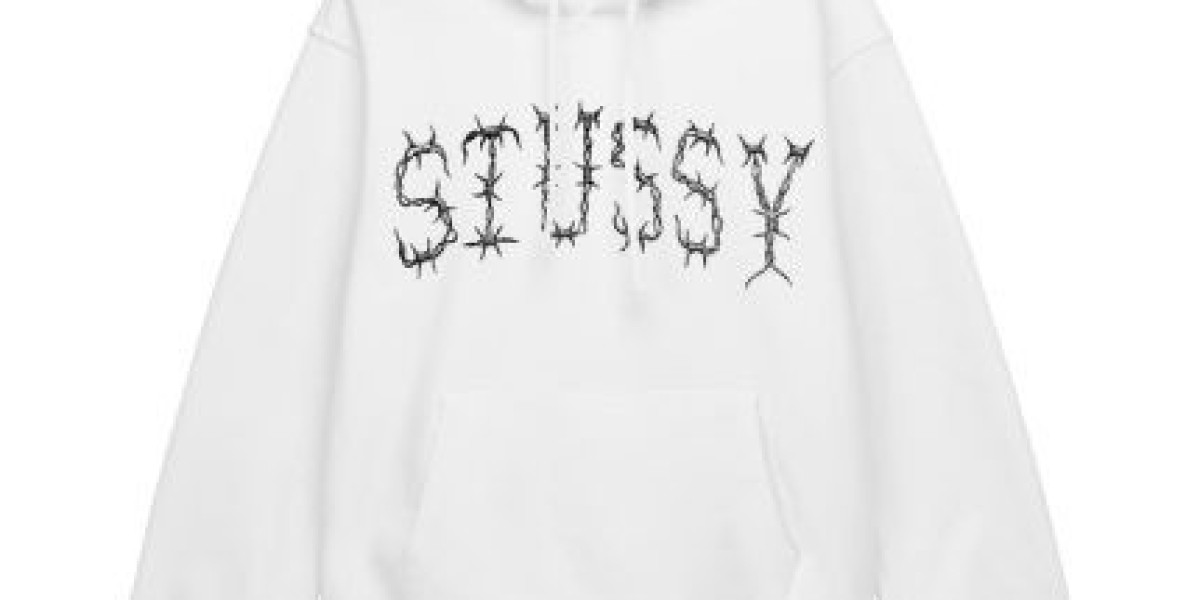


In the early 1980s, long before "streetwear" was a word anyone used in fashion boardrooms, a surfboard shaper in Laguna Beach, California, was scrawling his own signature on the boards he built by hand. That shaper's name was Shawn Stussy, and the loose, looping script he used to sign his boards would go on to become one of the most recognized logos in the world. What started as a practical mark of craftsmanship eventually turned into a global cultural symbol, worn by skaters, musicians, artists, and eventually celebrities and fashion insiders across every continent. The story of Stussy is not just the story of a clothing label; it is essentially the story of how an entire subculture — surf, skate, punk, hip-hop, and graffiti — merged together and became mainstream fashion.
From Surfboards to T-Shirts
Shawn Stussy began shaping surfboards in the late 1970s. Like many shapers of that era, he signed each board with a distinctive handwritten signature, partly as a maker's mark and partly as a bit of personal branding. Around 1980, he started printing that same signature on plain T-shirts to sell alongside his boards. The shirts were simple, cheap to produce, and only meant to be an extra source of income for a small surf business. Nobody involved at the time imagined that this side hustle would eventually eclipse the surfboard business entirely.
What made the shirts stand out wasn't complicated graphic design or elaborate marketing. It was the raw, handwritten quality of the logo itself — it looked personal, almost rebellious, completely different from the clean corporate logos of established surf and sportswear companies at the time. That authenticity resonated with the young surf and skate crowd in Southern California, who were drawn to brands that felt like they came from inside the culture rather than from a boardroom.
The Birth of a Global Tribe
The real turning point came when Shawn Stussy partnered with his friend Frank Sinatra Jr. — not the singer, but a marketing-savvy acquaintance who saw bigger potential in the brand. Together they founded Stussy as a proper company in the mid-1980s. Instead of relying on traditional advertising, they built a network of like-minded creatives across different cities and scenes: skateboarders in California, DJs and hip-hop figures in New York, and later, young designers and tastemakers in London, Tokyo, and Paris. This loose, informal group became known as the "International Stussy Tribe."
This approach was radical for its time. Rather than paying celebrities or running glossy ad campaigns, Stussy essentially seeded its clothing among people who were already influential within their own local subcultures — people who would wear the brand because they genuinely liked it, not because they were being paid to. That grassroots credibility became the blueprint that nearly every streetwear brand since has tried to copy in some form. Long before "influencer marketing" existed as a term, Stussy was already doing it organically, one T-shirt at a time.
Bridging Subcultures
Part of what made Stussy Hoodie so powerful culturally was its ability to sit at the intersection of multiple scenes that didn't traditionally overlap. Surf culture, skate culture, punk, hip-hop, and graffiti art all fed into the brand's identity at different points. The clothing itself was intentionally simple — T-shirts, hoodies, jackets, and hats built around that signature logo — which made it easy for people from very different backgrounds to wear it and make it their own. A skater in California, a graffiti artist in New York, and a club kid in Tokyo could all wear the same Stussy shirt and interpret it completely differently, yet all feel like they belonged to something bigger.
This cross-pollination of scenes is often credited as one of the key moments in the birth of what we now call streetwear as a distinct category, separate from both high fashion and mainstream sportswear. Before Stussy, clothing tended to stay within its subculture. Stussy helped prove that a single brand could travel across those boundaries and unify them under one identity.
Global Expansion and Local Identity
As Stussy grew, it took an unusual approach to international expansion. Rather than opening standard retail stores run centrally from California, it allowed chapters in cities like Tokyo, London, Paris, and Seoul to operate with a degree of local creative control, producing region-specific designs and collaborations while still carrying the same core logo and brand DNA. This gave Stussy a strange dual identity: it was simultaneously a global brand and a deeply local one, with each city's version carrying its own flavor while still feeling unmistakably connected to the others.
Tokyo in particular became one of the most important hubs for the brand, with Japanese streetwear culture embracing Stussy early and helping push the aesthetic of oversized fits, bold graphics, and casual layering that would later define streetwear worldwide.
Staying Relevant Across Decades
Many brands that emerge from a specific subculture struggle to survive once that subculture fades from the mainstream spotlight. Stussy has managed to avoid this fate for over four decades, largely by continuing to collaborate with the right people at the right moments. Over the years it has worked with sneaker brands, high-fashion houses, and cult streetwear labels, always managing to feel current without abandoning its original identity. The handwritten logo from a Laguna Beach surf shop in 1980 remains, almost unchanged, at the center of everything the brand does.
Part of Stussy's staying power also comes from scarcity and restraint. Unlike some brands that expanded aggressively into every possible product category and retail channel, Stussy has generally kept its releases limited and its distribution relatively controlled, which has helped preserve a sense of exclusivity and cultural credibility even as the brand's popularity has grown enormously.









