

Financial risk rarely appears without warning. Changes in financial performance, compliance, ownership, litigation, or business activity can emerge well before a borrower, customer, supplier, or counterparty becomes a serious risk.
An early warning signals platform helps organizations identify and organize these changes so that risk teams can investigate potential concerns at an earlier stage. For banks, NBFCs, fintech companies, lenders, insurers, and enterprises, this can support proactive portfolio management rather than relying only on periodic reviews or waiting for defaults and major disruptions.
The objective is not to predict every future event. Instead, an early warning framework helps decision-makers recognize meaningful changes and determine when further investigation or action may be appropriate.
What Is an Early Warning Signals Platform?
An early warning signals platform is a technology-enabled risk monitoring solution designed to identify indicators that may suggest a change in the financial, operational, legal, compliance, or business condition of an entity.
The platform can monitor relevant information and highlight events such as:
- Declining financial performance
- Significant management changes
- Ownership changes
- New litigation
- Compliance concerns
- Changes in business status
- Negative credit-related developments
- Significant corporate events
- Changes in business linkages
These signals can then be organized, scored, prioritized, or routed to relevant teams for review.
Why Are Early Warning Signals Important?
Risk Can Change After Approval
A borrower may have a healthy profile when a loan is approved. However, the business environment can change months later.
Revenue may decline, debt may increase, key directors may leave, or the company may become involved in significant legal proceedings.
Without ongoing monitoring, these developments may remain unnoticed until they affect repayment capacity or business continuity.
Earlier Visibility Creates More Options
Identifying a potential risk early gives an organization more time to investigate.
Depending on the circumstances, a lender may reassess exposure, request updated information, increase monitoring frequency, or engage with the borrower.
The earlier a relevant signal is identified, the greater the opportunity to make an informed response.
Key Early Warning Signals to Monitor
1. Financial Deterioration
Financial trends can provide important clues about changing business health.
Organizations may monitor changes in revenue, profitability, debt, liquidity, or other available financial indicators.
A single negative movement does not necessarily indicate distress. A sustained deterioration or combination of financial signals may deserve closer attention.
2. Litigation and Legal Events
New legal proceedings can create financial, operational, or reputational concerns.
An early warning signals platform can help identify relevant litigation events and bring them to the attention of risk or compliance teams for further assessment.
3. Ownership and Director Changes
A significant change in directors, promoters, shareholders, or ownership can affect the stability and direction of a business.
For lenders and investors, such events may be important when assessing an existing exposure.
4. Compliance Events
Compliance concerns can affect a company's ability to operate effectively and can create additional financial or reputational risk.
Monitoring relevant compliance indicators allows organizations to investigate potentially material developments earlier.
5. Business Status Changes
Changes in registration, business activity, or corporate status can provide important information about an entity's current condition.
Keeping business profiles updated helps prevent risk teams from relying on outdated information.
Early Warning Signals for Banks and NBFCs
Banks and NBFCs manage significant credit exposure across borrowers and industries.
Traditional portfolio reviews may occur monthly, quarterly, or at other scheduled intervals. While periodic reviews remain useful, they may not capture important developments between review cycles.
An early warning signals platform can provide event-based monitoring.
For example, an SME borrower may show a decline in financial performance while also experiencing a major management change and new litigation.
Each event individually may not indicate serious distress. Together, however, they may justify enhanced review.
The system can flag the account for assessment, allowing the credit team to determine whether the exposure remains appropriate.
Role in Fintech Lending
Fintech lenders often manage high-volume digital portfolios.
Manually reviewing every borrower at the same level is difficult and inefficient. Automated early warning signals can help segment accounts according to relevant risk indicators.
For example:
Low-risk accounts → standard monitoring
Accounts with emerging signals → enhanced monitoring
Multiple significant signals → priority review
This approach helps risk teams allocate resources more effectively.
Early Warning Signals for Enterprises
Enterprises can also benefit from monitoring their commercial counterparties.
A company may depend on important suppliers, distributors, vendors, or channel partners. Financial stress or legal issues affecting one of these counterparties could disrupt operations or create financial exposure.
An early warning signals platform can help enterprises identify relevant developments and take preventive measures.
For example, if a key distributor shows financial deterioration and faces significant legal proceedings, the enterprise can review its exposure and consider alternative distribution arrangements.
How Technology Improves Risk Monitoring
An effective platform can reduce the effort required to monitor large portfolios.
Important capabilities may include:
- Automated monitoring
- Centralized business profiles
- Event-based alerts
- Configurable risk rules
- Risk categorization
- Early warning indicators
- Portfolio segmentation
- Historical event tracking
- Workflow and escalation
- Review documentation
The quality of monitoring depends heavily on data relevance and accuracy. Organizations should therefore use appropriate information sources and validate material findings before making significant decisions.
Connecting Early Warning Signals With Portfolio Monitoring
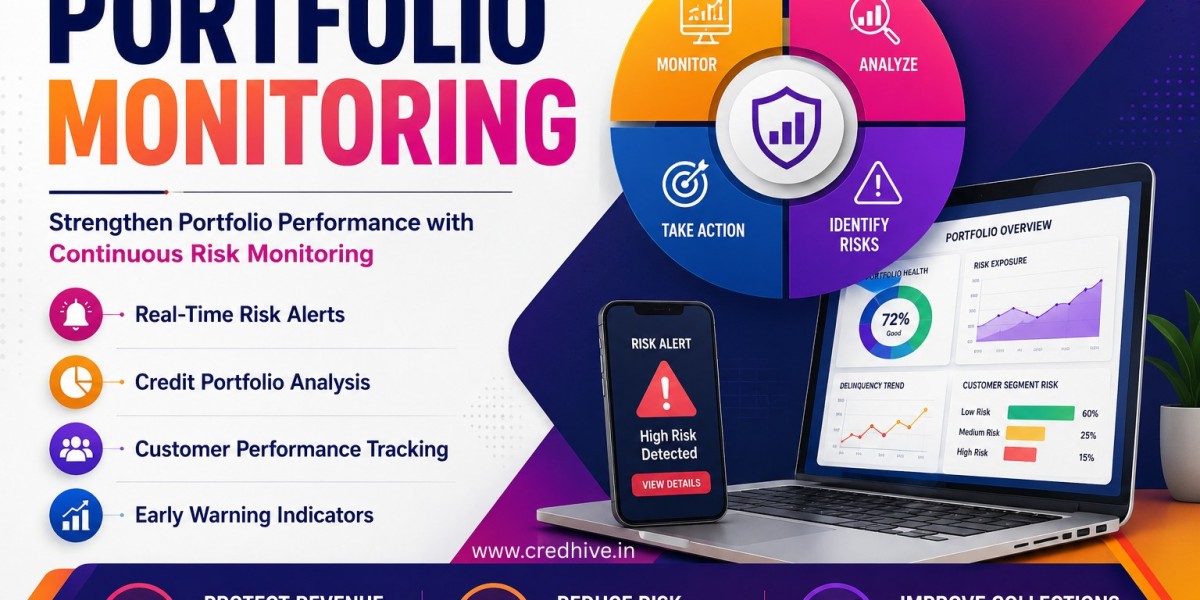
An early warning signals platform works particularly well when integrated with Portfolio Monitoring.
Portfolio Monitoring provides the broader process for tracking an entity, while early warning signals help identify specific developments that may require attention.
For example:
Portfolio Monitoring → tracks the relationship
Risk signals → identify relevant changes
Alert → prioritizes the account
Human review → assesses the significance
Action → manages the exposure
This creates a practical risk management workflow rather than simply generating large volumes of alerts.
Best Practices for Using an Early Warning Signals Platform
Focus on Relevant Signals
Organizations should identify indicators that are genuinely relevant to their products, industries, and risk appetite.
Avoid Alert Overload
Too many low-value alerts can reduce the effectiveness of a monitoring program. Rules should prioritize meaningful changes.
Use Risk-Based Prioritization
High-value or high-risk exposures may require greater monitoring intensity.
Keep Human Review in the Process
A signal is an indicator—not a final risk conclusion. Qualified teams should investigate important alerts.
Connect Alerts to Actions
Every significant alert should have a defined workflow, such as review, escalation, documentation, or exposure reassessment.
Frequently Asked Questions
What is an early warning signals platform?
An early warning signals platform is a technology solution that monitors relevant business and risk indicators to help organizations identify potential changes in the condition of borrowers, customers, suppliers, or counterparties.
What are common early warning signals in credit risk?
Common indicators include financial deterioration, significant management changes, ownership changes, litigation, compliance concerns, and other material business developments.
How can banks use early warning signals?
Banks can use early warning signals to monitor borrowers after loan approval, prioritize accounts for review, and identify developments that may require additional risk assessment.
Can NBFCs use an early warning signals platform for SME lending?
Yes. NBFCs can use automated monitoring to track SME borrowers and identify relevant changes across financial, legal, ownership, compliance, and business indicators.
How is early warning monitoring different from Portfolio Monitoring?
Portfolio Monitoring is the broader process of tracking entities and exposures over time. Early warning signals are specific indicators within that process that highlight changes requiring potential investigation or action.
Conclusion
An early warning signals platform can help financial institutions and enterprises move from reactive risk management toward earlier identification of potential problems.
By monitoring financial, legal, compliance, ownership, and business developments, organizations can gain better visibility into changing counterparty conditions.
For banks, NBFCs, fintech lenders, insurers, and enterprises, the most effective approach combines automated monitoring with reliable information, risk-based prioritization, and human judgment.
When early warning signals are connected with Portfolio Monitoring and clear response workflows, organizations can identify meaningful changes earlier and make more informed decisions about their financial and commercial exposures.






