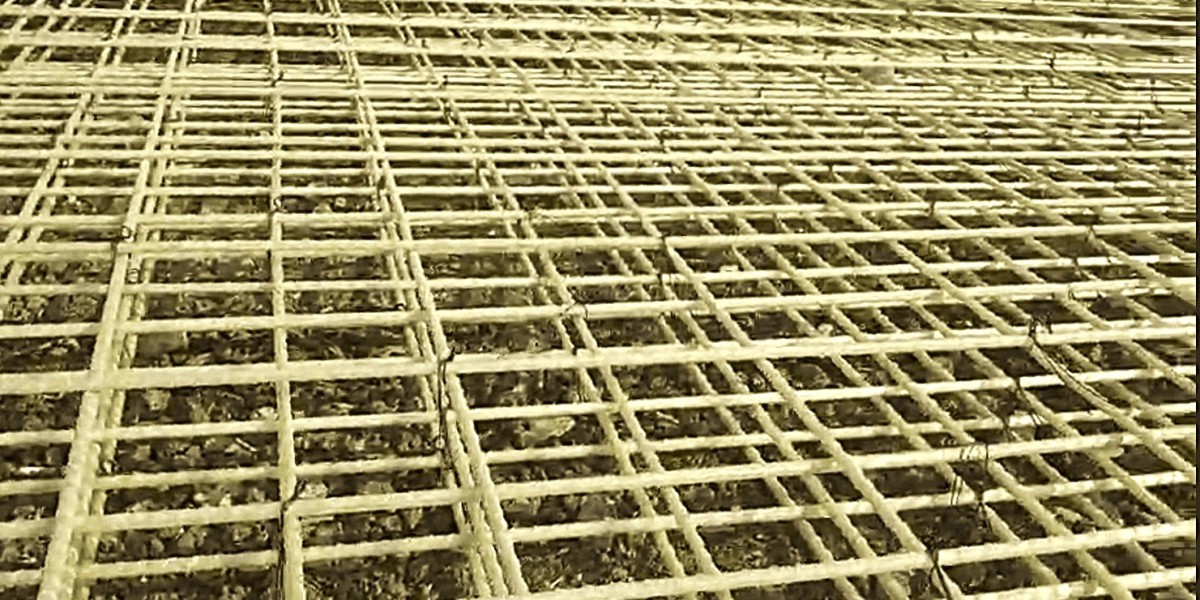


Is fiberglass rebar stronger than steel rebar? This is one of the most common questions asked by builders, contractors, and engineers looking for a more durable reinforcement solution. GFRP rebar is known for its high tensile strength, lightweight nature, and excellent resistance to corrosion, making it a strong alternative to conventional steel reinforcement in many applications.
But strength is not the only factor that matters. To understand why fiber sariya are becoming popular in modern construction, it is important to look at how they perform in real-world conditions.
1. Understanding the Strength of Fiberglass Rebar
Fiberglass rebar, commonly known as GFRP rebar, is made by combining continuous glass fibers with a polymer resin. The glass fibers provide strength, while the resin helps hold the material together and protects it from environmental exposure.
Unlike steel reinforcement, GFRP does not depend on metal to provide its performance. Its composite structure gives it excellent tensile strength, which is particularly useful where concrete needs reinforcement against tension.
One important point is that GFRP and steel behave differently. Steel is known for its stiffness and ductility, while GFRP is valued for its high tensile strength, corrosion resistance, and lightweight properties. Therefore, the better reinforcement option depends on the specific requirements of the project.
For applications where corrosion resistance and long-term durability are priorities, GFRP can offer a significant advantage.
2. Why GFRP Can Outperform Steel in Harsh Environments
When comparing reinforcement materials, it is easy to focus only on strength. However, the environment around the structure can have an equally important impact on long-term performance.
Steel can rust when it is repeatedly exposed to moisture, salts, chemicals, and other aggressive conditions. Once corrosion begins, it can affect the surrounding concrete and eventually lead to cracking, spalling, and structural maintenance issues.
GFRP rebars offer a different approach because they do not rust.
This makes them particularly useful for projects exposed to:
Water and moisture
Coastal and marine environments
Chlorides and salts
Chemical exposure
Wastewater
Humid conditions
Other corrosion-prone environments
For these types of projects, using a corrosion-resistant reinforcement material can help improve the durability of the overall structure.
3. Lightweight Strength Makes GFRP Easier to Handle
Another major advantage of GFRP is its lightweight construction.
Steel bars can be heavy and difficult to transport, carry, and position, especially when large quantities of reinforcement are required. GFRP bars are significantly lighter, which makes them easier for workers to handle at the construction site.
This can make day-to-day construction work more convenient.
For example:
Easy Transportation: Lightweight bars are easier to move between locations and transport to the job site.
Simpler Handling: Workers can carry and position the reinforcement more easily without relying as heavily on heavy lifting equipment.
Convenient Cutting and Placement: GFRP can be cut using suitable tools and installed according to project-specific reinforcement requirements.
During GFRP rebar installation, following the manufacturer's guidelines is important because GFRP has different handling and detailing requirements than steel. Proper placement, support, spacing, and tying help ensure the reinforcement performs as intended.
4. Where Does Fiberglass Rebar Make the Most Sense?
The growing interest in GFRP is largely connected to the variety of applications where its properties can provide practical benefits.
Some common gfrp rebar uses include:
Concrete slabs
Bridge decks
Retaining walls
Industrial floors
Precast concrete
Road and pavement construction
Drainage structures
Water-treatment facilities
Chemical and industrial structures
GFRP is especially attractive in projects where corrosion can become a major concern over time.
Its non-magnetic and non-conductive nature can also make it useful in applications where steel reinforcement may not be the most suitable choice.
Can GFRP Rebar Really Replace Steel Rebar?
The answer depends on the project.
Where GFRP Has a Strong Advantage
GFRP can be a better choice when the project requires:
High tensile strength
Protection against corrosion
Lightweight reinforcement
Long-term durability
Non-magnetic reinforcement
Non-conductive reinforcement
In these situations, GFRP can provide benefits that go beyond what traditional steel reinforcement can offer.
Why Project-Specific Design Still Matters
GFRP is not simply a direct replacement where the same steel size is used without engineering consideration. Its material characteristics are different from steel, so reinforcement selection should be based on structural design, application requirements, and relevant standards.
The right approach is to choose the material according to the conditions in which the reinforcement will actually be used.
What Makes GFRP a Better Long-Term Reinforcement Choice?
One of the biggest reasons builders are considering GFRP is its ability to maintain its performance in environments where steel can face corrosion-related problems.
Think of it this way: concrete structures are often expected to last for decades. If the reinforcement is vulnerable to corrosion, protecting the structure from moisture and chemicals becomes an ongoing challenge.
GFRP changes that equation by providing corrosion-resistant reinforcement from the beginning.
It can also contribute to easier material handling because of its lightweight nature. This combination of durability and convenience makes GFRP an increasingly practical choice for modern construction.
Why Are More Builders Turning Toward GFRP?
The construction industry is becoming more focused on durability, lower maintenance requirements, and longer-lasting infrastructure. This is creating greater interest in reinforcement materials that can perform effectively in challenging environments.
GFRP fits into this changing approach because it offers several useful characteristics in one material:
Corrosion Resistance
GFRP does not rust, making it suitable for environments where moisture, salt, or chemicals are a concern.
Lightweight Construction
Its lower weight makes transportation and on-site handling easier.
High Tensile Strength
The glass fibers provide strong tensile performance, making GFRP suitable for a wide range of reinforced concrete applications.
Long-Term Durability
Because it is not affected by rust in the same way as steel, GFRP can help address one of the common causes of reinforcement deterioration.
Final Thoughts
So, is fiberglass rebar stronger than steel rebar? In terms of tensile performance, GFRP offers impressive strength and can be a highly effective reinforcement solution. More importantly, it combines strength with corrosion resistance, lightweight handling, and long-term durability.
Steel remains an established reinforcement material, but it is not always the best choice for every environment. For projects where corrosion, moisture, chemicals, or weight are major concerns, GFRP can offer clear practical advantages.
As awareness of corrosion-resistant reinforcement continues to grow, choosing reliable gfrp rebar manufacturers in india becomes equally important. A quality manufacturer can provide properly tested GFRP products along with the technical guidance needed to use them effectively.
For modern projects focused on durability and long-term performance, GFRP rebars are proving to be much more than an alternative to steel—they are becoming a smarter reinforcement choice for the right applications.









