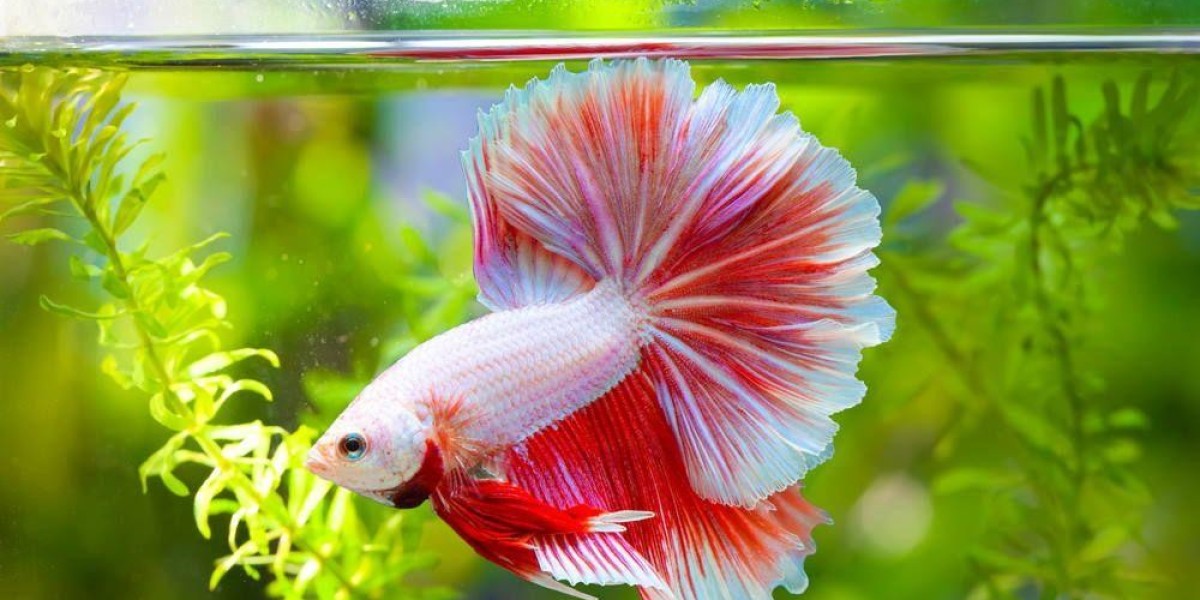


Anyone researching female fighter fish near me tends to arrive with a fairly similar set of practical questions before actually bringing a fish home. This guide covers what genuinely matters, from setup basics through to choosing healthy stock.
Lighting and Daily Routine
A consistent light cycle of around eight to ten hours daily, ideally on a timer, helps establish a predictable routine and supports any live plants without encouraging excessive algae growth. Fish kept on an irregular or overly long light cycle can show subtly increased stress compared with those on a stable schedule, even if the difference isn't always immediately obvious to a casual observer. A timer removes the guesswork entirely and ensures consistency even when a keeper's own daily schedule varies from day to day.
Budgeting for the Full Setup
Beyond the fish itself, a tank of at least 20 litres, a reliable heater, gentle filtration, a secure lid, and basic water testing equipment make up the essential costs. None of these are individually expensive, but skipping any of them tends to show up as health problems within weeks rather than months. Viewed over the full two to three year lifespan of a well-kept fish, the fish itself is usually the smallest ongoing cost once this initial equipment is properly in place.
A Note on Individual Personality
Personality varies noticeably between individuals, even within the same colour strain, and it's worth spending the first week or two simply observing rather than judging health against an idealised standard. Some fish settle and approach the glass within days, while others remain more cautious for a couple of weeks, and both patterns are entirely normal rather than a sign that something has gone wrong. Getting to know an individual fish's baseline behaviour makes it considerably easier to spot genuine changes worth investigating later on.
Breeding Notes for the Curious Keeper
Males construct bubble nests at the water's surface using saliva-coated bubbles to hold fertilised eggs until they hatch, and breeding requires a dedicated setup with close supervision, since the male will aggressively guard the nest and can injure a female who lingers too long. Fry are extremely small upon hatching and need specially prepared liquid fry food before graduating to baby brine shrimp, making successful rearing a genuinely rewarding but time-intensive project that's generally better suited to more experienced keepers than complete beginners.
Common Mistakes First-Time Buyers Make
Buying before the tank has cycled, choosing on colour alone without checking fin condition, and assuming an unheated tank is sufficient account for the majority of early health issues reported by new keepers. Each of these is entirely avoidable with a small amount of preparation before bringing a fish home, and taking even a few days longer to get the basics right consistently produces a considerably better outcome than rushing straight from purchase to introduction without a properly prepared tank waiting.
Tank Size and Setup Basics
A minimum tank size of 20 litres is generally recommended, with gentle filtration, a reliable heater set between 24 and 27 degrees Celsius, and a tightly fitting lid, since this species is a capable jumper. Live or silk plants, particularly floating varieties, give the fish somewhere to rest near the surface and reduce overall stress considerably compared with a bare, minimally decorated tank. Many first-time keepers underestimate how much of a difference tank size makes to long-term colour and activity, assuming a small bowl is sufficient simply because the species tolerates lower-oxygen conditions better than most tropical fish thanks to its labyrinth organ.
Water Chemistry That Actually Matters
A pH between 6.5 and 7.5 suits most captive-bred lines well, and a reliable liquid test kit, rather than paper strips alone, is worth the investment since ammonia and nitrite spikes are usually the real cause behind symptoms that get blamed on the fish itself. Most UK tap water, once treated with a dechlorinator, sits comfortably within an acceptable range without further adjustment, though it's still worth testing periodically rather than assuming stability once a tank has settled, since parameters can drift gradually over weeks as a tank matures and stocking changes.
When you're ready to look at female fighter fish for sale near me, prioritise sellers who can speak confidently about water parameters and how long stock has settled, since that generally reflects better overall husbandry than a generic outlet carrying many unrelated species.
Cycling a Tank Properly First
Cycling a new tank before introducing any livestock remains the single most overlooked step among first-time keepers. A tank that hasn't been allowed to establish a healthy population of beneficial bacteria will see ammonia and nitrite climb rapidly once a fish is introduced, placing considerable strain on the gills and immune system even in a species as generally hardy as this one. Patience during the first two to four weeks of a new setup pays dividends for the following two to three years, which is roughly the typical lifespan when conditions are well maintained from the outset.
Diet and Feeding Routine
A protein-rich diet built around high-quality pellet food, supplemented with occasional live or frozen bloodworm, brine shrimp, or daphnia, keeps colour vivid and supports long-term health. Feed small amounts once or twice daily rather than a single large feed, since overfeeding is a far more common problem than underfeeding and contributes to swim bladder issues over time. Uneaten food left to decompose in the substrate also places unnecessary strain on water quality, which is part of why a modest, consistent feeding routine tends to outperform an occasional generous one.
Why Solo Housing Is the Standard Advice
Two males housed together will almost always result in sustained aggression regardless of tank size, since this territorial instinct doesn't diminish simply because more swimming space is available. Even a single male housed with certain brightly coloured or long-finned tank mates can display the same aggressive response, mistaking a rival for another male of its own species. This is why single housing, or very carefully selected community setups, remains the standard recommendation rather than a cautious overstatement, and why experienced keepers rarely attempt mixed-male tanks even in unusually large aquariums.
Recognising a Healthy Specimen
Bright, alert eyes, fully extended fins without tears or fraying, and confident, active swimming are the clearest signs of good health, regardless of colour strain or fin type on offer. A fish that hovers listlessly near the surface or shows clamped fins is best avoided even at an attractive price, since these are early indicators of stress or illness that tend to worsen rather than resolve once a fish is brought home into a new environment on top of whatever it was already dealing with in the shop.
Understanding Fin and Colour Variety
Veiltail, halfmoon, crowntail, and plakat are among the most common fin types available, each carrying slightly different care considerations. Longer-finned varieties are generally more prone to fin damage and benefit from smoother décor and calmer tank mates, while the shorter-finned plakat types tend to be hardier and more active swimmers, closer in body shape to their wild ancestors. Colour genetics add another layer of variety on top of fin shape, with marble, butterfly, and dragon scale patterns among the more sought-after strains among dedicated collectors.
Common Health Issues Worth Knowing
Fin rot, recognisable by ragged or discoloured fin edges, is the most frequently reported issue and is almost always linked to water quality rather than any inherent weakness in the fish. Ich, or white spot disease, and swim bladder problems from overfeeding round out the most common concerns, all manageable with prompt attention and stable water conditions. Catching any of these early, rather than waiting to see if symptoms resolve on their own, generally makes the difference between a quick, straightforward recovery and a prolonged, more serious health decline.
With the basics covered and a little patience during the settling-in period, this remains one of the more rewarding species available to UK fishkeepers, offering genuine colour and personality in return for relatively modest, consistent care.









