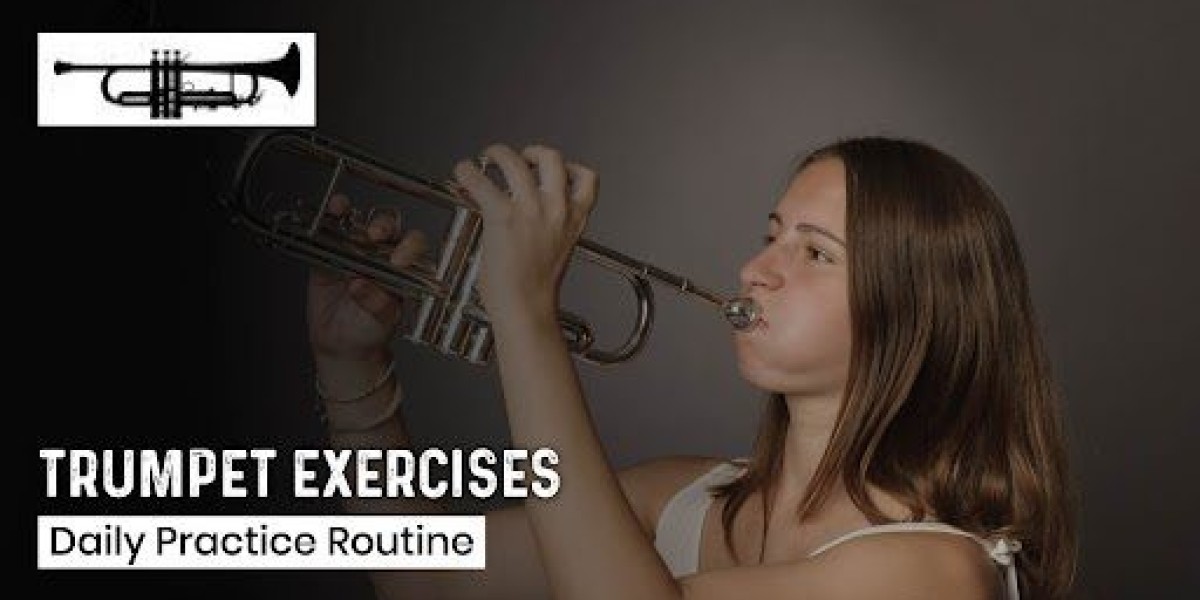


As trumpet players become more experienced, their practice needs often change. Beginners may focus on producing a clear sound and learning basic notes, while advanced musicians need greater control over articulation, range, flexibility, phrasing, endurance, and musical interpretation.
For this reason, method books for trumpet for serious players can be useful when building a more focused practice routine.
Why Advanced Players Still Use Method Books
It is easy to assume that method books are only for beginners. In reality, experienced musicians can benefit from structured technical material as well.
Advanced players often face highly specific challenges.
One musician may want to improve endurance. Another may need greater consistency in the upper register. Someone else may be working on multiple tonguing or flexibility.
Specialized method material allows players to address these areas systematically.
Technical Development Never Really Ends
Even professional musicians continue working on fundamentals.
Scales, long tones, articulation patterns, flexibility exercises, and other technical studies may remain part of a player's routine for years.
The difference is often the complexity and purpose of the exercises.
An advanced player may use basic material as a warm-up while concentrating on tone quality, consistency, efficiency, and musical control.
Choosing Material Based on Goals
The best resource depends on what a player wants to improve.
For example, someone preparing for an audition may need material emphasizing technical accuracy and sight-reading.
A player preparing for an orchestral performance may spend more time on tone, endurance, phrasing, and stylistic interpretation.
A jazz musician may prioritize articulation, flexibility, improvisation, and range.
Therefore, selecting a book simply because it is labeled "advanced" is not always enough.
Building a Specialized Practice Routine
Experienced players can use method material as one component of a broader practice plan.
A session might begin with relaxed playing and long tones before moving into flexibility exercises.
Technical patterns can follow, after which the player may work through selected method exercises.
The final portion of the session could focus on repertoire.
This structure allows technical exercises to directly support musical goals.
Avoiding Mindless Repetition
Advanced players can sometimes fall into the habit of repeating familiar exercises without actively listening.
Effective practice requires attention.
Listen for consistency of tone. Monitor articulation. Notice tension. Evaluate rhythm and intonation.
A difficult exercise should have a specific purpose.
If an exercise is designed to improve flexibility, the player should evaluate flexibility. If it targets articulation, attention should remain on clarity and consistency.
Slow Practice Still Matters
Experienced musicians sometimes feel pressure to practice everything at performance tempo.
However, slow practice remains one of the most useful tools for technical development.
Reducing the tempo makes small problems easier to identify.
A player can examine finger coordination, articulation, air support, rhythm, and tone without simultaneously dealing with the pressure of high speed.
Once accuracy is established, tempo can gradually increase.
Using Books as Diagnostic Tools
A strong method book can also reveal weaknesses.
If a player consistently struggles with a particular exercise, that difficulty may indicate an underlying technical issue.
Instead of simply repeating the exercise hundreds of times, the player can investigate why it is difficult.
Perhaps the tempo is too fast. Perhaps the fingering needs adjustment. Maybe articulation is interfering with airflow.
This analytical approach can make practice more efficient.
The Role of Professional Guidance
Serious players can benefit from working with experienced instructors who understand advanced trumpet technique.
A teacher can help evaluate practice habits and recommend suitable exercises.
The goal is not to collect as many books as possible. A small selection of appropriate material may be more useful than a large library that receives little focused attention.
Digital Resources and Traditional Books
Modern musicians have access to both physical books and digital learning resources.
Digital materials can be convenient because they are easy to carry and search. Physical books can provide a focused, distraction-free practice experience.
Many players use a combination of both.
The important factor is whether the material contributes meaningfully to the player's goals.
Final Thoughts
Method books for trumpet for serious players can be valuable when used strategically.
The most effective approach is to select material based on specific technical and musical objectives, practice with attention, and regularly evaluate progress.
Method books are not a replacement for musicianship. They are tools that can help players build the technical foundation needed to express musical ideas with greater confidence.
FAQs
1. Are advanced trumpet method books only for professionals?
No. They can also be useful for serious students preparing for auditions, performances, or advanced study.
2. What should advanced players practice?
Common areas include tone, articulation, flexibility, range, endurance, scales, rhythm, and musical phrasing.
3. Should experienced players still practice basic exercises?
Yes. Fundamental exercises can help maintain consistency and provide useful warm-up material.
4. How should advanced method exercises be practiced?
Practice slowly and accurately first, then gradually increase the tempo while maintaining control.
5. Is owning many method books necessary?
No. A small number of carefully selected resources can be more effective than a large collection that lacks a clear purpose.









