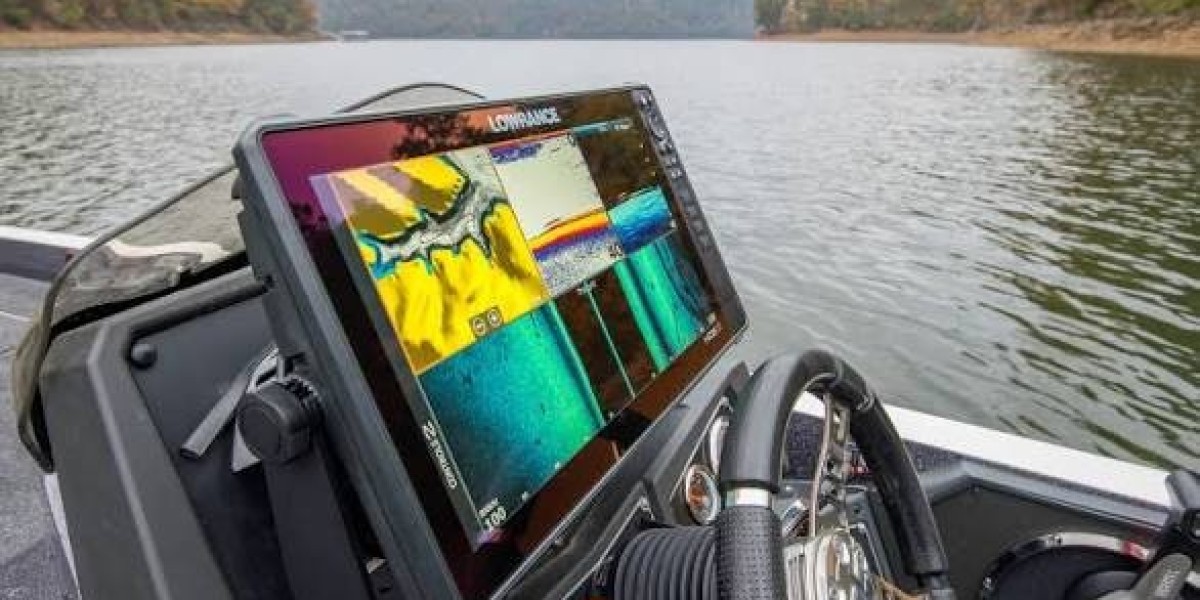


Boat Navigation System Install in Orange Beach, AL
Navigating Orange Beach waters can be enjoyable, and reliable electronics can make each trip more organized and easier to manage. A clear helm layout helps operators find important information quickly, especially when conditions or routes change during a day on the water. A well-planned boat navigation system install can bring chartplotting, GPS, sonar, radar, digital instruments, and communication equipment together in a practical helm setup. Boat Service Barnett LLC provides marine electronics installation for boat owners seeking dependable integration. The goal is to create a navigation solution that fits the vessel and remains easy to use while cruising or fishing.
Why Professional Marine Electronics Installation Matters
Modern marine electronics work best when components are selected and connected as one system. This approach can simplify future service. During a boat navigation system install, technicians need to consider vessel layout, power, wiring, display location, transducer placement, networking, and moisture protection. A professional approach can reduce clutter around the helm and help equipment communicate correctly. GPS navigation, a marine chartplotter, depth finder, fish finder, radar, and digital gauges can be arranged for practical viewing without interfering with controls. Careful installation helps protect electronics from vibration, corrosion, loose connections, and electrical problems.
Planning the Right Navigation Setup
Every boat has different needs, so an electronics package should start with an evaluation. That review identifies compatibility concerns before equipment is installed. A boat navigation system install may involve replacing an outdated display, adding GPS mapping, integrating sonar, or building a complete helm electronics package. In Orange Beach, owners may want features for coastal cruising, fishing, marina travel, and changing conditions. Planning should account for screen size, mounting position, sunlight, accessibility, battery capacity, and upgrades. Marine networking can allow compatible devices to share information, reducing repeated controls and making essential data easier to monitor from the helm.
GPS, Chartplotters, and Digital Mapping
Accurate positioning is central to marine navigation. Clear mapping and route planning can simplify coastal trips for local boat owners. A GPS chartplotter can display vessel location, routes, waypoints, depth information, and digital charts in a single interface. During a boat navigation system install, the display should be mounted where the operator can read it without losing awareness of the water ahead. Chartplotter installation also involves checking antenna performance, power, data communication, and software compatibility. For coastal boaters, clear mapping can simplify route planning. Proper configuration matters because advanced equipment is useful only when information is clear and understandable.
Sonar, Fish Finders, and Depth Technology
Many Orange Beach boaters use sonar and fish finding technology for recreation and underwater awareness. It can provide depth information when conditions make visual judgment difficult. A boat navigation system install can integrate a fish finder or depth sounder with the main display, allowing important readings to remain visible without adding unnecessary equipment at the helm. Transducer selection and placement matter because turbulence, hull design, mounting angle, and interference can affect performance. A clean installation considers these details before drilling or routing cables. When sonar, GPS, and chartplotting work together, boaters get an organized view of location and underwater information during fishing or cruising.
Radar and Communication Equipment Integration
Radar can provide useful awareness when visibility is reduced or distant vessels need identification. A navigation electronics installation may include radar integration, VHF radio installation, antennas, networking, and dedicated controls. Equipment should be positioned so essential functions remain accessible without creating distractions. Proper cable routing and secure connections matter where moisture, salt, vibration, and movement are common. Depending on the vessel and equipment, an integrated marine electronics system can allow navigation displays to share selected information with radar, AIS, autopilot, or communication devices. Professional setup helps keep the system aligned with manufacturer requirements and supports reliable operation on the water.
Clean Wiring and Reliable Electrical Connections
Marine electronics depend on stable power and connections. Correct protection and wire sizing support consistent operation. During a navigation electronics installation, wiring should be routed neatly, protected where necessary, and separated appropriately from sources of electrical interference. Connections should resist vibration and moisture, while fuses, breakers, terminals, and battery capacity should match equipment requirements. Poor wiring can cause screen issues, communication errors, inaccurate readings, or shutdowns. A clean helm is also easier to inspect and service later. Marine wiring installation focuses on function and appearance, creating an organized system that can support future additions without turning the console into a confusing network of cables.
Choosing Equipment for Your Vessel
Selecting marine electronics involves more than comparing screens or feature lists. Compatibility with existing equipment can matter as much as features. Equipment should match the boat’s electrical system, helm space, intended use, and existing technology. A boat navigation system install may be more effective when components from compatible product families are chosen with networking in mind. Owners should also consider water resistance, sunlight readability, controls, software updates, and service access. For anglers, sonar capability may receive greater attention, while cruisers may prioritize charts, radar, autopilot, and communication. Discussing priorities before installation can reduce unnecessary equipment and create a system suited to actual use.
Benefits for Orange Beach Boat Owners
Orange Beach supports fishing, cruising, sightseeing, and coastal recreation, making navigation equipment useful. A system planned around local habits can be easier to operate. A boat navigation system install can help organize essential information at the helm and make routine operation more convenient. Saltwater exposure and humidity can affect components and connections over time. Professional installation can account for vessel-specific requirements while keeping displays accessible and wiring protected. Whether the project involves a chartplotter, GPS upgrade, sonar integration, or electronics replacement, planning can improve usability. Careful marine electronics installation can also support dependable performance for different types of coastal boating activities.
Why Installation Quality Makes a Difference
Marine electronics are an investment, so installation quality matters as much as equipment selection. A completed installation should leave components secure, wiring organized, connections protected, and controls easy to understand. Testing is another important stage. Technicians can verify power, network communication, GPS reception, sonar readings, radar functions, and other connected features before the vessel returns to regular use. Documentation of cable routes and system components can simplify future maintenance. Instead of treating electronics as separate accessories, an integrated approach considers how every device contributes to the overall helm experience and how the system can be maintained as the boat evolves.
Professional Service for Your Navigation Upgrade
A navigation upgrade should begin with the vessel and owner’s goals. Reviewing current electronics can reveal which equipment should be retained or replaced. Whether you need a new chartplotter, GPS installation, marine radar, sonar setup, VHF integration, or complete helm electronics replacement, planning can create a dependable solution. Boat Service Barnett LLC serves Orange Beach, AL, with a focus on practical marine electronics work and installation. If you are considering a boat navigation system install, discussing your vessel, existing equipment, and intended use can help identify the right configuration before work begins. The result can be a cleaner helm, better integration, and easier operation.
Call to Action
Ready to improve your boat’s navigation setup in Orange Beach, AL? A focused consultation can help turn your equipment needs into an installation plan today. Contact Boat Service Barnett LLC to discuss your vessel and the equipment you want to install. A professional consultation can help you plan the installation around your boat’s layout, electrical needs, and on-water activities. From GPS and chartplotter installation to sonar, radar, networking, and communication equipment, the setup can make your helm more functional. Schedule service today and take the next step toward a marine electronics upgrade for your vessel.






