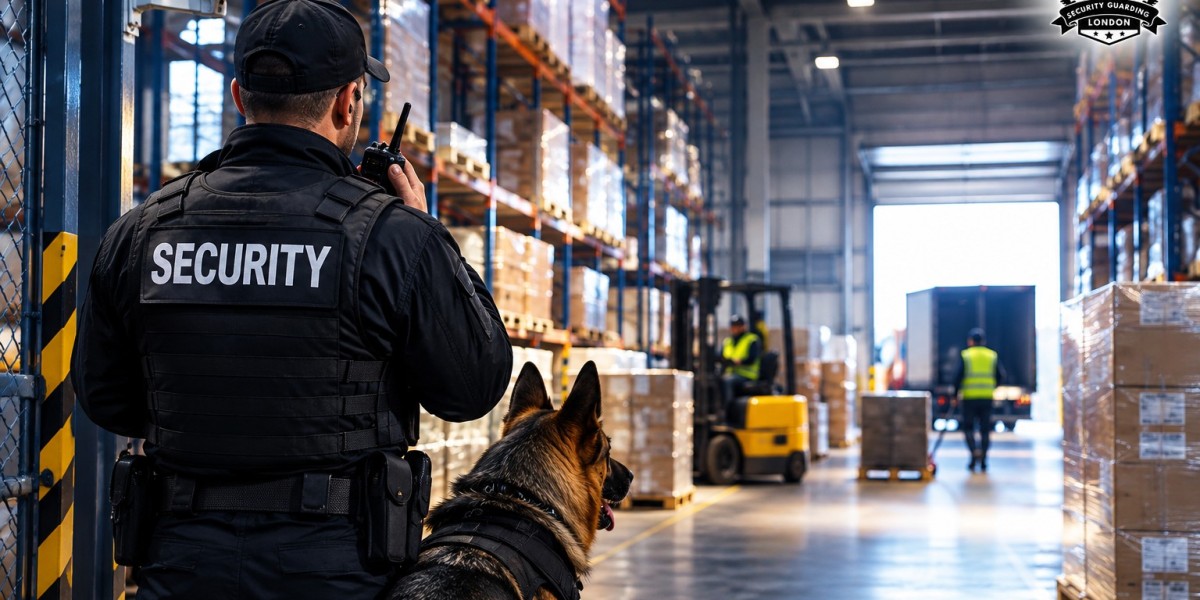


A warehouse rarely loses stock all at once; it leaks away, pallet by pallet, in the quiet hours. By the time a stock count reveals the gap, trailers have left and trails have gone cold. This guide looks at how modern teams approach warehouse security in London, covering the risks, the rules and the layers that keep goods and people safe.
Why Warehouses Are Attractive Targets
Warehouse security in London starts with understanding why these sites draw attention. Goods are concentrated, high in value and easy to resell, while yards, docks and mezzanines create plenty of places to hide.
Typical Pressure Points
Loading bays: doors left open, drivers unchecked, trailers unattended.
Insider access: shared codes, lost passes and informal favours.
Perimeters: gaps in fencing, poor lighting and blind corners.
Night and weekends: empty buildings with few eyes on them.
Lone working: staff facing unfamiliar visitors without support.
Each point is small in isolation. Together, they create the quiet, unobserved window that organised thieves look for.
Where Reactive Setups Break Down
Recorded footage explains a loss; it rarely prevents one. Cameras that nobody watches give clear pictures of a theft already completed. Sites that depend on an occasional check-in also leave long gaps between visits.
Slow supply is another weakness. A security company in London that needs weeks to vet and brief officers cannot help when a lease starts, a contract is won or a seasonal peak arrives.
Reactive security tallies losses. Proactive security prevents them.
Rules, Licences and Insurance Expectations
Warehouse security sits within a clear framework. Anyone doing licensable guarding under contract needs a valid SIA licence, and careful operators check this before an officer starts work. Insurers also expect documented measures, such as access logs, lighting, alarms and patrol records, and may adjust terms if standards slip.
Counter-terror rules matter where premises are publicly accessible, such as trade counters or mixed-use units. Martyn’s Law, the Terrorism (Protection of Premises) Act, uses a Standard tier for mid-capacity premises and an Enhanced tier for larger ones. Home Office statutory guidance, including Section 27, and ProtectUK training show what sensible preparation looks like.
Layering Technology and People
No one measure covers a warehouse. The strongest set-ups connect sensors, cameras and trained staff so each backs up the others.
Cameras, Alarms and Access
Detection comes first. Controlled doors limit who gets in, while live CCTV monitoring lets an operator watch yards and docks in real time. Video-verified alarms add a check, because the operator confirms what the camera shows before anyone is sent.
Officers on Site
People supply judgement. Trained security guards in London check vehicles and visitors at the gate, patrol docks and yards and write clear incident reports. Warehouse protection services bring these checks together.
The table below sets out the contrast.
Feature | Layered Approach | Reactive Approach |
Detection | Live and operator-verified | Reviewed afterwards |
Gate control | Checked vehicles and visitors | Open or informal |
Patrols | Logged and supervised | Occasional visits |
Response | Coordinated and quick | Waiting for help |
Outcome | Theft prevented | Losses recorded |
Where Dogs Make a Difference
A dog covers a dark yard faster than any patrol on foot. Large perimeters, trailer parks and distant corners are exactly where people struggle. Dog security in London suits these settings because a handler and trained dog can search open ground, deter approach by presence and alert officers to movement. Many operators pair dog patrol teams with cameras and mobile checks so no layer stands alone.
The Guard Dogs Act 1975 requires a competent handler to control the dog, or the dog to be secured, and warning signs must be displayed at entrances.
Out-of-Hours Cover and Key Holding
Alarms often trigger when nobody is on site. A keyholder or response officer who can attend quickly, check the building and report back turns a worrying alert into a managed incident. Key holding and response works best when procedures are written down, so everyone knows who attends, what they check and how it is recorded.
Protecting the People Inside
Security is also about staff safety. Lone workers, night shifts and drivers arriving at odd hours all need clear procedures: check-in routines, working radios, well-lit routes and a named person to call. Calm, well-trained officers help staff feel safe without making the site feel like a fortress.
A Five-Point Site Walk-Through
Before changing anything, walk the site with fresh eyes:
Start at the gate: who is checked, and how is it recorded?
Follow the fence: look for gaps, poor lighting and climbable points.
Visit the docks: watch how doors, trailers and keys are handled.
Test the alarm: find out who responds and how fast.
Ask the night shift: staff often know the real weak spots.
Notes from this walk-through give insurers and managers a clear baseline and show where warehouse security in London needs reinforcing first.
What to Ask Before You Appoint
Use plain, practical questions:
Licensing: valid SIA licences for every officer and handler.
Warehouse experience: familiarity with docks, yards and vehicle checks.
Speed: realistic start times, including short notice.
Supervision: named managers and a responsive control room.
Range: guarding, monitoring, key holding and canine support together.
Good providers explain how they work and welcome detailed questions.
Frequently Asked Questions
1. What does warehouse security involve?
Warehouse security involves controlling access, monitoring yards and docks, patrolling perimeters and responding to alarms. Trained guards, live CCTV and sometimes dog patrols protect stock, vehicles and staff together.
2. Do warehouse guards need an SIA licence?
Yes, guards carrying out licensable activities under contract must hold a valid SIA licence. Verify it on the SIA’s public register before any officer starts work.
3. Is live CCTV monitoring better than recorded footage?
Yes, live monitoring lets operators verify alarms and direct a response while an incident is happening. Recorded footage mainly provides evidence afterwards.
4. How do dog patrols help a warehouse?
Dog patrols cover large yards quickly, deter intruders by presence and search open ground that people struggle to watch. They work best alongside cameras and trained officers.
5. Does Martyn’s Law apply to warehouses?
Usually not, because Martyn’s Law applies to publicly accessible premises above set capacity thresholds. Warehouses with trade counters or mixed use may be covered, so check which tier applies.
Which Route Suits Your Warehouse?
Picture three warehouses. The first has a sturdy fence and cameras nobody watches; it still loses stock overnight. The second adds live monitoring and gate checks, and thefts fall away. The third adds a dog team and a key-holding plan, and trespassers simply move on. Generic security only records losses, while layers stop threats in progress. Operators wanting a tailored plan can speak to Security Guards London Limited, an SIA-licensed provider delivering round-the-clock protection across Greater London, and begin with a short site assessment. Done well, warehouse security in London protects goods, staff and reputations alike.
Key takeaway
Warehouse protection works best as layers: controlled access, live monitoring, trained officers and, where suited, dog patrols, because recordings alone only show what has already gone.






