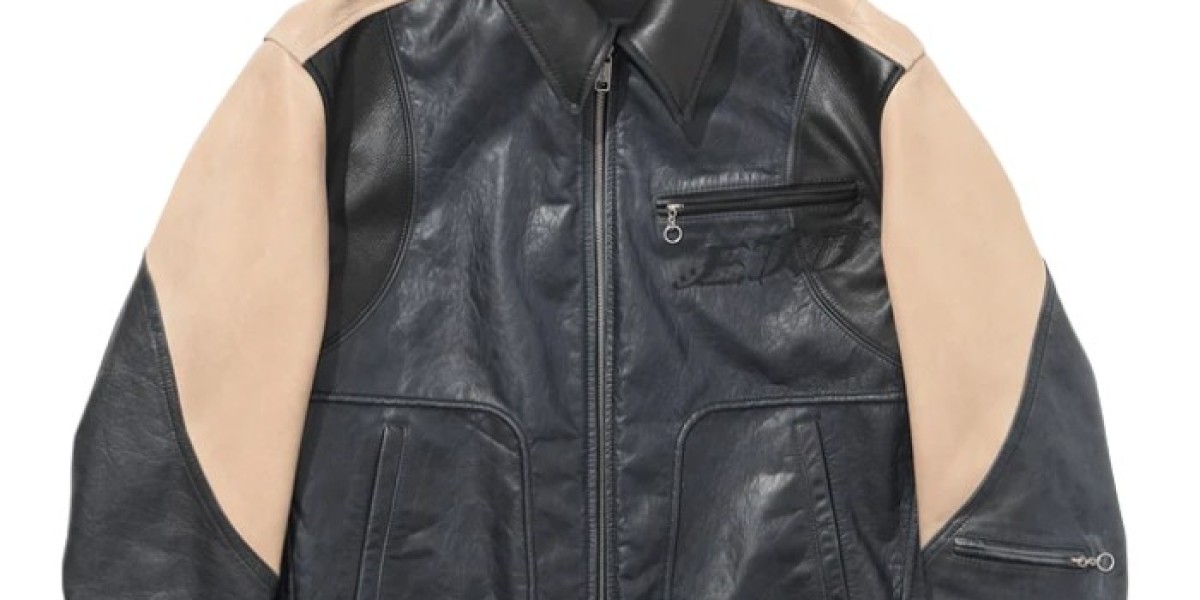


Owning an Enfants Riches Déprimés jacket means owning a piece of clothing that carries real character. The distressed finishes, hand applied graphics, and raw seams that define the label are part of what makes each jacket feel personal rather than mass produced. But that same character is also what makes these jackets tricky to care for. A single wrong wash cycle can crack a print, bleed a dye, or turn intentional distressing into accidental damage. This guide walks through practical, tested methods for keeping your jacket looking the way it did the day you got it, without stripping away the worn in aesthetic that makes it special in the first place.
I have spent years working with heavily treated streetwear pieces, from acid washed denim to hand painted leather, and the lessons learned from ruining a few garments early on are the same ones I am sharing here. Fabric care for high end streetwear is not the same as caring for a plain cotton hoodie, and treating it that way is the fastest way to shorten its life.
Understanding the Materials Before You Clean Anything
ERD jackets are rarely made from a single fabric. Many pieces combine cotton fleece, denim, leather panels, or wool blends with printed graphics, embroidery, and distressing techniques such as bleaching, sanding, or hand tearing. Before you wash, check the care label sewn into the garment. If the label has faded or been removed, treat the jacket as if it requires the gentlest possible care, since guessing wrong is far more costly than being overly cautious.
Printed and painted areas are the most fragile part of the jacket. Heat, friction, and harsh detergents break down the pigment binder over time, causing cracking or fading. Leather patches and trims need entirely different handling than the fabric body, since water and standard detergent can stiffen or discolor leather permanently.
Washing Instructions That Actually Protect the Garment
For jackets with a cotton or fleece base and no leather trim, hand washing in cold water is the safest route. Turn the jacket inside out first to reduce friction on printed surfaces. Use a mild, fragrance free detergent and gently agitate the fabric with your hands rather than scrubbing. Avoid soaking for long periods, since prolonged water exposure can loosen embroidery threads and weaken distressed seams that were already thinned during manufacturing.
If the jacket must go into a washing machine, always use a delicate or hand wash cycle with cold water, place it inside a mesh laundry bag, and skip the spin cycle if your machine allows it. Never use fabric softener, since it leaves a residue that dulls prints and can interfere with the natural texture of raw denim or fleece.
Bleach, oxygen cleaners, and anything containing whitening agents should be avoided entirely, even on jackets that already have a bleached or faded look. Those effects were achieved intentionally during production, and reapplying harsh chemicals afterward simply thins the fabric further and increases the risk of holes forming along stress points.
Drying Without Damaging Prints or Structure
Heat is the single biggest threat to a jacket like this. Machine drying, especially on medium or high heat, accelerates cracking in printed graphics and can shrink cotton or wool blends unevenly. Always air dry the jacket flat on a clean towel, reshaping it gently while damp so it dries back into its original silhouette.
Keep the jacket out of direct sunlight while drying. UV exposure fades both dyed fabric and printed ink faster than almost any other factor, and colors that took months to develop naturally through wear can dull within a single afternoon on a sunny balcony.
Spot Cleaning for Everyday Wear
Most day to day maintenance does not require a full wash at all. Small stains, dust, or light surface dirt can usually be handled with spot cleaning. Dab the area with a damp cloth and a small amount of mild detergent, working from the outside of the stain inward so it does not spread. Blot rather than rub, since rubbing pushes dirt deeper into the fibers and can abrade delicate print work.
For leather panels specifically, use a slightly damp cloth with no detergent at all, followed immediately by drying with a soft, dry cloth. A https://enfantsrichesdeprime.us/ leather conditioner formulated for garments, applied sparingly every few months, helps prevent cracking without altering the finish.
Storage Tips That Preserve Shape and Fabric Integrity
How you store the jacket between wears matters almost as much as how you clean it. Use a padded or wide shoulder hanger rather than a thin wire one, since wire hangers create pressure points that distort the shoulder seams over time. Avoid hanging heavily embellished jackets in tightly packed closets where fabric can rub against neighboring garments and wear down prints through friction.
If the jacket will not be worn for an extended period, fold it loosely and store it in a breathable cotton garment bag rather than plastic. Plastic traps moisture, which can lead to mildew on cotton and stiffening on leather. Keep stored jackets away from direct heat sources like radiators or sunny windows, and check on them every few months to make sure no creasing has set into printed areas.
Repairing Minor Wear Without Losing the Original Look
Small loose threads or minor seam separation are common on garments built with intentional distressing. Resist the urge to trim loose threads aggressively, since doing so can unravel more of the seam than intended. A needle and matching thread can secure a loosening seam without altering the garment's worn appearance. For anything involving leather trim, printed panels, or structural damage, professional garment repair is worth the cost, since amateur fixes on these materials are difficult to reverse.
Caring for a jacket like this is less about restoring it to a pristine, brand new state and more about protecting the specific details that make it valuable in the first place. With the right washing routine, careful drying, and thoughtful storage, an Enfants Riches Déprimés jacket can maintain its distinctive look for many years of regular wear.
Frequently Asked Questions
Can I machine wash an Enfants Riches Déprimés jacket? Yes, but only on a delicate cold water cycle inside a mesh bag, with no fabric softener or bleach, and never with high heat drying.
Will washing fade the distressed look? Proper cold water washing and air drying will not fade intentional distressing. Heat, bleach, and direct sunlight are the main causes of unwanted fading.
How often should leather panels be conditioned? Applying a garment leather conditioner every two to three months is generally enough to prevent cracking without leaving the leather feeling greasy or overtreated.