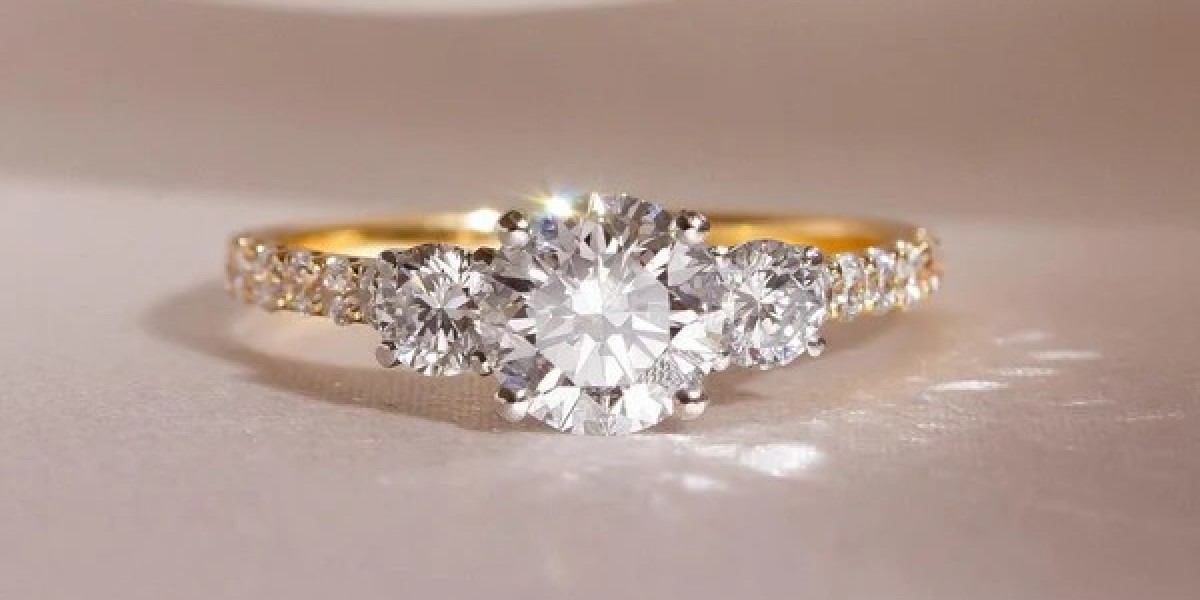


Vintage-inspired diamonds continue to attract buyers who appreciate character and handcrafted details. While round brilliant diamonds dominate today's jewelry market, many people are now looking back at historical diamond cuts that tell a different story. Two of the most recognized antique-inspired styles are the Old Mine Cut and the Old European Cut.
If you're comparing these two options, understanding their differences will help you make a better choice. Although both originated before modern cutting technology, they offer distinct appearances, light performance, and overall style.
Whether you're shopping for an engagement ring or adding a vintage-inspired piece to your collection, knowing what sets these cuts apart is essential.
Explore Old Mine Cut Lab Diamond Ring: Understanding Its Appeal
An old mine cut lab diamond ring recreates one of the earliest diamond cutting styles using laboratory-grown diamonds. These diamonds are produced with the same physical, chemical, and optical properties as mined diamonds while offering an antique-inspired appearance.
Originally crafted by hand during the 18th and 19th centuries, the Old Mine Cut features a cushion-like outline, high crown, small table, and larger facets. Because each original diamond was cut individually, no two stones looked exactly alike.
Today's lab-created versions preserve these historical design elements while providing buyers with consistent quality and ethical sourcing.
What Is an Old European Cut?
The Old European Cut developed after the Old Mine Cut and became popular during the late 19th and early 20th centuries. It is considered the predecessor of the modern round brilliant diamond.
Unlike the cushion-shaped Old Mine Cut, the Old European Cut features a nearly round outline. It was specifically designed to improve light reflection under candlelight and early electric lighting.
Its characteristics include:
- Round shape
- High crown
- Small table
- Deep pavilion
- Large open culet
- Hand-cut facets
Many vintage engagement rings from the Edwardian and Art Deco periods feature Old European Cut diamonds.
Shape Comparison
One of the easiest ways to distinguish these two cuts is by looking at their outline.
An Old Mine Cut generally has:
- Cushion or pillow-shaped appearance
- Rounded corners
- Slightly uneven symmetry
- Softer overall profile
The Old European Cut typically offers:
- Circular outline
- Better symmetry
- More balanced proportions
- Appearance closer to today's round brilliant diamonds
Someone seeking a softer antique look may prefer an old mine cut diamond ring, while buyers wanting a classic round appearance often choose an Old European Cut.
Facet Arrangement and Brilliance
Both cuts were created long before computer-guided precision cutting, yet their facet patterns differ.
The Old Mine Cut has broader facets that create bold flashes of light rather than continuous sparkle. Its reflections appear slower and more defined.
The Old European Cut contains additional symmetry that produces more consistent brightness throughout the diamond.
Some collectors appreciate the bold personality found in an old mine brilliant cut diamond ring, while others enjoy the balanced light return of an Old European Cut.
Historical Background
The Old Mine Cut was widely used during the Georgian and Victorian eras when diamonds were shaped entirely by hand.
Diamond cutters worked with the natural crystal instead of forcing perfect symmetry. Their priority was preserving weight rather than maximizing brilliance.
As cutting techniques improved, craftsmen gradually introduced the Old European Cut. Better tools allowed for more symmetrical diamonds with improved light reflection.
This progression eventually led to the development of today's round brilliant cut.
Light Performance
Lighting conditions played a major role in how historical diamonds were designed.
Old Mine Cut diamonds were intended for candlelit rooms, where their large facets created bold flashes.
Old European Cut diamonds performed well under both candlelight and early electric lighting, offering a brighter appearance overall.
Modern buyers often notice:
Old Mine Cut
- Larger flashes
- More noticeable facet pattern
- Softer brightness
Old European Cut
- Increased brilliance
- More uniform reflections
- Rounder visual appearance
Neither cut is necessarily better—it simply depends on personal preference.
Ring Settings That Complement Each Cut
The setting has a significant impact on the overall appearance of a vintage-inspired diamond.
Popular settings for Old Mine Cut diamonds include:
- Solitaire
- Halo
- Vintage-inspired designs
- Cathedral settings
- Three-stone rings
A growing number of buyers also choose an old mine cut bezel ring, which surrounds the diamond with a protective metal border while highlighting its cushion shape.
Old European Cut diamonds pair beautifully with:
- Art Deco settings
- Milgrain details
- Filigree work
- Classic solitaire rings
Size Appearance
Despite having the same carat weight, these cuts may appear different in size.
Old Mine Cut diamonds generally face up slightly smaller because they have:
- Higher crowns
- Deeper pavilions
- Larger culets
Old European Cuts usually appear a little larger due to their round outline and more balanced proportions.
This visual difference is important for buyers comparing stones with identical weights.
Character and Individuality
One feature collectors admire is the individuality found in antique-inspired diamonds.
Historically, each Old Mine Cut diamond reflected the craftsmanship of the individual cutter. Slight differences in symmetry, facet alignment, and proportions added personality to every stone.
Even modern recreations preserve much of this distinctive appearance, making every old miners cut diamond ring feel unique compared to highly standardized modern cuts.
Durability Considerations
Both cuts are durable enough for everyday wear when properly set.
However, the ring setting plays an important role in protecting the stone.
For active lifestyles, bezel settings or secure prong arrangements offer added protection.
Many buyers appreciate the security offered by an old mine cut bezel ring, especially for daily use.
Regular inspections and routine cleaning help preserve any diamond ring for years.
Availability in Today's Market
Natural antique diamonds can be difficult to source because many have been recut into modern shapes over the years.
Fortunately, laboratory-grown versions make this historical style much easier to obtain.
Shoppers searching for an old mine cut diamond ring for sale can now find a wider selection without depending solely on estate jewelry.
Lab-created options also provide greater flexibility in choosing:
- Carat size
- Color
- Clarity
- Metal type
- Ring setting
Comparing Cost
Price differences depend on several factors, including origin, rarity, and craftsmanship.
Natural antique diamonds often command higher prices because they are genuinely historic stones.
Lab-created Old Mine Cut diamonds generally offer greater value while maintaining the same visual style.
Buyers who want the antique appearance without the rarity premium frequently choose an old mine cut lab diamond ring.
Which One Should You Choose?
Your decision depends on the style you prefer.
Choose an Old Mine Cut if you appreciate:
- Cushion-shaped outline
- Handcrafted appearance
- Larger facet reflections
- Historical character
- Vintage-inspired designs
Choose an Old European Cut if you prefer:
- Round shape
- Improved brilliance
- Balanced symmetry
- Classic antique styling
- Smooth light performance
Both options celebrate the artistry of historical diamond cutting while offering something distinctly different.
Styling with Vintage-Inspired Jewelry
Antique-inspired rings pair beautifully with simple wedding bands, engraved details, and handcrafted settings.
Many jewelry enthusiasts also enjoy combining vintage-style rings with contemporary bands for a personalized look. Brands like antiquecut have helped introduce antique-inspired diamond styles to a wider audience by focusing on historical cutting techniques while incorporating modern craftsmanship.
Whether worn alone or stacked with matching bands, these rings offer a distinctive appearance that stands apart from standard modern designs.
Final Thoughts
Choosing between an old mine cut lab diamond ring and an Old European Cut ultimately comes down to personal taste. Both cuts represent important moments in the history of diamond craftsmanship and continue to attract buyers who appreciate vintage-inspired jewelry.
The Old Mine Cut offers a cushion-shaped profile, bold facet reflections, and handcrafted character, while the Old European Cut provides a round outline with brighter and more balanced light performance.
Before making your decision, consider the shape, setting, overall appearance, and the style that best matches your preferences. Whether you choose one for its historical charm or its distinctive visual appeal, both cuts offer a beautiful alternative to modern diamonds.
If you're exploring old mine cut diamond rings, comparing different settings, or searching for old miners cut diamond rings, understanding these key differences will help you select a ring that suits your style and expectations for years to come.








