

The Importance of Reliable Laundry Appliances
Washers and dryers make everyday household routines easier by reducing the time and effort needed to manage laundry. When either appliance stops working properly, even ordinary household tasks can become difficult. Problems such as unusual noises, water leaks, poor drying, or interrupted cycles may affect convenience and appliance performance. Recognizing these warning signs early can help prevent further complications.
Recognize Common Washer Problems
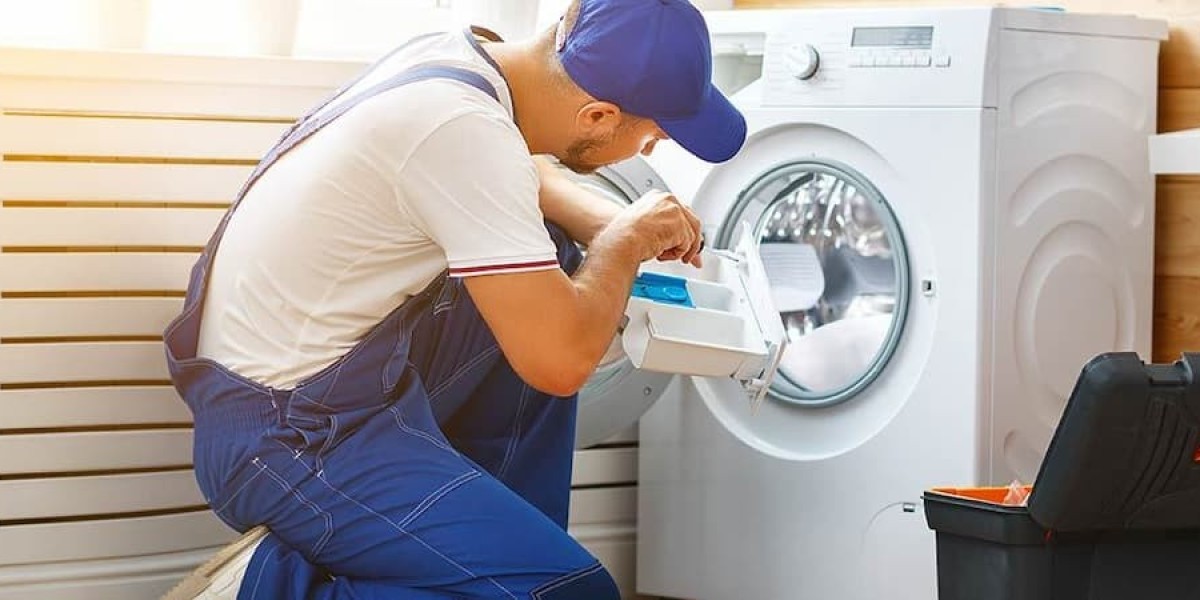
Professional Expert Washer Dryer Repair Sandy Springs can help address problems that interfere with washing and drying performance. A washer may fail to drain, stop filling with water, vibrate excessively, or leave clothes soaking wet after a cycle. These symptoms can have several causes, including blocked hoses, worn components, drainage issues, or problems with the appliance's control system.
Understand Why a Washer May Not Drain
A washing machine that retains water after a cycle may have a clogged drain filter, obstructed hose, or malfunctioning drain pump. Small objects, lint, and accumulated debris can interfere with water movement. Before assuming that a major component has failed, the drainage system should be checked carefully. Disconnecting power and following manufacturer safety instructions is important before any inspection.
Address Spinning and Agitation Issues
When a washer does not spin or agitate correctly, clothes may remain excessively wet or poorly cleaned. An unbalanced load can sometimes cause temporary interruptions, but repeated problems may indicate a worn drive component, damaged belt, lid switch issue, or motor-related fault. Proper diagnosis helps identify the actual cause instead of replacing parts unnecessarily.
Identify Dryer Performance Problems
A dryer that takes too long to dry clothes can waste energy and disrupt household schedules. Restricted airflow, a clogged lint filter, a blocked vent, or a faulty heating component may contribute to poor performance. Cleaning the lint filter regularly is a useful first step, but persistent drying problems should be investigated to determine whether the appliance or ventilation system needs attention.
Pay Attention to Unusual Sounds
Grinding, squealing, banging, and rattling sounds can indicate that a laundry appliance needs inspection. Loose objects inside a drum may create noise, while worn bearings, damaged rollers, belts, or other moving parts can produce repeated sounds. Describe when the noise occurs and whether it changes during different cycle stages. These details can help narrow down the possible cause.
Get Professional Diagnostic Support
Reliable Appliance Repair Services focus on identifying the source of a malfunction before beginning repairs. A technician may inspect electrical connections, hoses, pumps, heating systems, motors, switches, and control components, depending on the symptoms. Accurate troubleshooting helps determine which parts require attention and whether repair is a practical option compared with replacing the appliance.
Understand the Importance of Proper Parts
Using compatible replacement parts is important for maintaining appliance operation and safety. Washers and dryers contain components designed for specific models and configurations. An incorrect part may not fit properly or could contribute to additional problems. Checking the appliance's model information helps ensure that replacement components are appropriate for the equipment being serviced.
Avoid Ignoring Water Leaks
Water around a washing machine should never be dismissed as a minor inconvenience. Leaks may come from damaged hoses, loose connections, worn door seals, detergent drawers, or internal components. Continued moisture can damage nearby flooring and create additional household concerns. If a leak appears, stop using the appliance and arrange an inspection rather than allowing the problem to continue.
Follow Safe Appliance Practices
Laundry appliances combine electrical components, moving parts, water connections, and, in some dryers, gas systems. Attempting repairs without the right experience can create safety risks. Avoid opening electrical panels or working on gas connections yourself. Disconnecting an appliance before basic cleaning or inspection, following its manual, and contacting a qualified technician for complex problems are sensible precautions.
Maintain Your Washer and Dryer
Routine maintenance can reduce avoidable wear and support more consistent performance. Clean the washer's detergent drawer, inspect accessible hoses, and leave the door open briefly after use when the manufacturer recommends it. For dryers, clean the lint filter after every load and keep the surrounding area clear. Periodically check the exhaust vent for lint buildup or restricted airflow.
Know When Repair Is Worth Considering
The decision to repair or replace an appliance depends on several factors. Age, overall condition, repair cost, energy efficiency, and the availability of compatible parts all matter. A relatively simple repair may extend the useful life of a dependable appliance, while repeated expensive failures may make replacement more reasonable. A clear assessment can help homeowners compare the available options.
Restore Convenience to Your Laundry Routine
A properly functioning washer and dryer help keep household responsibilities manageable. Paying attention to early warning signs, maintaining accessible components, and seeking appropriate diagnostic support can prevent small issues from becoming more disruptive. With careful troubleshooting and suitable repairs, homeowners can improve appliance reliability and make everyday laundry tasks easier to manage.







