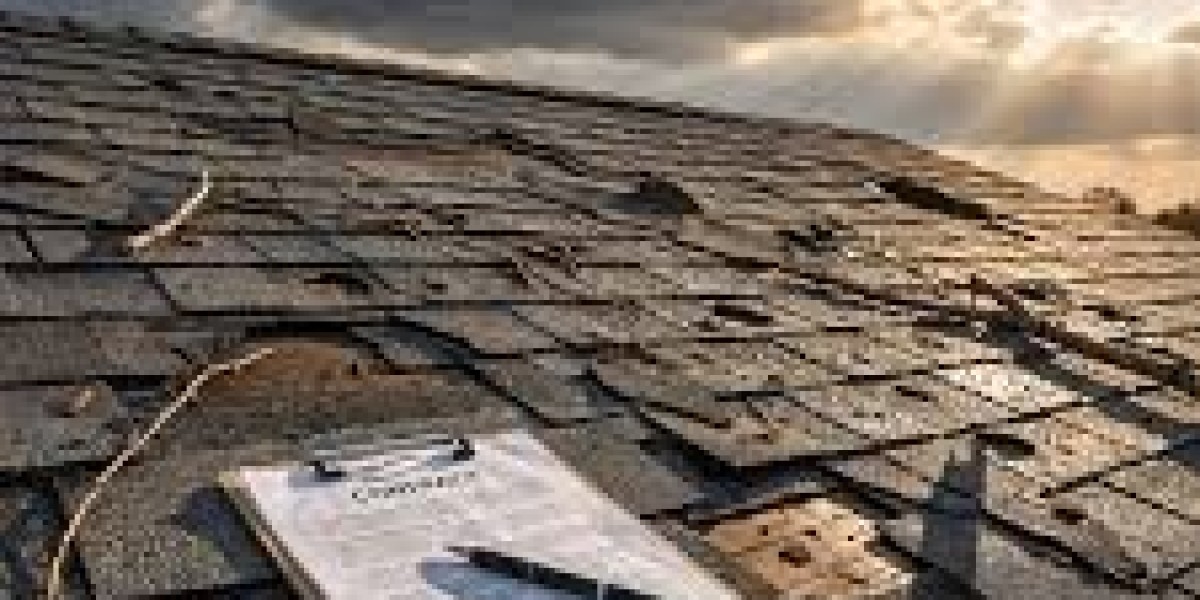


Getting quotes for a new roof feels a lot like shopping for a car. Everyone shows up with a smile, a clipboard, and a number that sounds pretty good compared to the last guy. But here's the thing nobody tells you until it's too late: the contract is where the real deal gets made, not the sales pitch on your porch.
Every year, homeowners across Toledo, Perrysburg, Bowling Green, Findlay, and the surrounding areas sign roofing contracts they never actually read. Then three weeks into the job, they're stuck arguing over materials that don't match what was promised, or waiting on a crew that vanished after the deposit cleared. It happens more than people realize, and it's almost always avoidable.
So before you put your name on anything, let's walk through exactly what a solid roofing contract should include, what to watch out for, and how to protect yourself and your home.
Why the Contract Matters More Than the Estimate
A lot of homeowners treat the estimate and the contract as basically the same document. They're not. An estimate is a rough idea of cost. A contract is a legally binding agreement that spells out what work will be done, when, for how much, and under what conditions.
If your roofer hands you a one-page contract with a total price and a signature line, that's a red flag right there. A legitimate contract should read almost like a project blueprint. It protects you just as much as it protects the contractor, and any company that's hesitant to put details in writing is telling you something about how they operate.
At Roofing419, every project starts with a written scope of work before a single shingle gets ordered. That's not because paperwork is fun. It's because it prevents the kind of confusion that turns a roof replacement into a headache.
What Should Actually Be in a Roofing Contract
Here's the checklist worth going through line by line before you sign anything.
1. Full Scope of Work
The contract should describe exactly what's being done. Full tear-off or overlay? New underlayment? Ice and water shield in valleys and along the eaves? Ridge vent installation? If it just says "roof replacement" with no specifics, ask for more detail. Vague language in a contract almost always benefits the contractor, not you.
2. Materials and Brand Names
Your contract should list the actual shingle brand, product line, and color, along with any underlayment, flashing, and ventilation materials. This matters because "30-year architectural shingles" can mean very different things depending on the manufacturer. If you're deciding between asphalt shingles and something more durable, it helps to understand the asphalt shingle roofing options available and how they perform in this region's weather before you commit to a spec.
3. Total Cost and Payment Schedule
This is where a lot of people get burned. A trustworthy contractor will break the payment schedule into stages tied to actual progress, something like a small deposit, a payment when materials are delivered, and a final payment upon completion and inspection. If someone is asking for full payment upfront, or even 50% before materials show up on site, that's worth questioning. Reputable roofing contractors near me and anywhere else usually structure payments around milestones, not just collecting cash as fast as possible.
4. Project Timeline
Start date, estimated completion date, and what happens if weather delays push things back. Ohio and Michigan weather doesn't always cooperate, so a good contract accounts for reasonable delays without leaving you in the dark about when your roof will actually be done.
5. Warranty Details in Writing
There are usually two warranties involved: the manufacturer's warranty on materials and the contractor's workmanship warranty. Both should be spelled out clearly, including what's covered, for how long, and what would void them. It's worth reviewing this before you sign so there are no surprises later. You can see how this is typically structured by checking out warranty coverage details so you know what questions to ask any contractor you're considering.
6. Cleanup and Debris Removal
Believe it or not, this gets left out of contracts more often than you'd think, and then homeowners end up finding nails in their yard for months. Make sure cleanup, magnetic nail sweeps, and dumpster removal are explicitly included.
7. Change Order Process
Sometimes a crew pulls off the old roof and finds rotted decking underneath. That's normal, but it should never be a surprise charge added after the fact without your approval. The contract should state how change orders are handled, including that you'll be notified and asked to approve any additional cost before work continues.
Hidden Costs to Watch For
Even a well-written contract can hide costs if you don't know what to look for.
- Decking replacement fees. Ask upfront what the per-sheet cost is if plywood needs replacing, so it's not a mystery number later.
- Permit fees. These should already be included, not tacked on separately.
- Disposal fees. Dumpster rental and debris hauling should be part of the quoted price.
- Steep-slope or multi-story charges. Some homes genuinely cost more to work on safely, but this should be disclosed before signing, not discovered afterward.
If a number seems too good, it usually means one of these is being left out and added back in later.
Red Flags That Should Make You Pause
A few warning signs come up again and again with homeowners who've had bad experiences:
- Door-to-door "storm chasers" who pressure you to sign the same day
- No local address or a business that only exists on a magnetic truck door
- Reluctance to provide proof of insurance or licensing
- Contracts with blank sections that get "filled in later"
- Extremely low bids compared to every other quote you've received
- No mention of who's responsible if something is damaged during the job
None of these automatically mean fraud, but together they're a pattern worth taking seriously. Trustworthy roofing companies near me or in any market will have a real office, verifiable reviews, and won't rush you into a decision.
How to Compare Roofing Companies Before You Choose One
Getting three quotes is standard advice, but the real value is in comparing what's actually included, not just the bottom line number. Two bids for "the same roof" can differ by thousands of dollars once you account for material quality, warranty length, and what's covered in cleanup and disposal.
When homeowners are trying to find the best roofing company near me, a few things separate the ones worth hiring from the ones to avoid: how they answer questions, whether they explain their process without getting defensive, and whether their past work backs up what they're promising. Looking through a project gallery or reading through customer reviews tells you a lot more than a glossy sales brochure ever will.
It's also smart to ask about certifications and manufacturer partnerships, since these often reflect additional training and accountability standards that not every contractor meets.
Insurance Claims and Storm Damage
If your roof replacement is being driven by storm damage, the contract conversation gets a little more complicated because insurance is now part of the equation. Make sure your contractor is willing to work directly with your adjuster, document damage thoroughly, and won't ask you to sign over your insurance check before any work has been inspected or approved. Roofing419 handles this kind of coordination regularly, helping homeowners navigate everything from documentation to insurance roof claims assistance so the process doesn't fall entirely on your shoulders during an already stressful time.
Financing Options Are Worth Asking About Too
Roof replacement isn't cheap, and that's exactly why some homeowners rush into a bad contract just to get a lower monthly payment. Before you do that, ask any contractor what financing options they offer and read those terms just as carefully as the roofing contract itself. Reasonable financing shouldn't come with confusing fine print or rates that balloon after a short introductory period.
What Makes a Roofing Company Actually Trustworthy
At the end of the day, a contract is only as good as the company standing behind it. Longevity in the community, a real physical presence, documented licensing and insurance, and a willingness to answer hard questions without getting cagey are what separate a dependable roof replacement near me from a gamble.
Roofing419 has built its reputation across Northwest Ohio and Southeast Michigan by doing the unglamorous stuff right: clear contracts, honest timelines, and standing behind the work long after the crew has packed up. That's really what homeowners are paying for when they hire a roofer, not just shingles on a roof, but confidence that someone will pick up the phone if a problem shows up two years down the road.
If you want a second opinion on a quote you've already received, or you're just starting the process, a free inspection is a low-pressure way to get a professional look at your roof's actual condition before you commit to anything.
Frequently Asked Questions
Do I need to get multiple quotes before signing a roofing contract?
Yes. Even if you already trust a contractor, comparing two or three quotes helps you understand fair market pricing in your area and gives you leverage to ask better questions.
Is a verbal agreement ever okay for roofing work? No. Everything, including scope of work, materials, cost, and warranty terms, should be documented in writing. Verbal promises are unenforceable if a dispute comes up later.
How much of a deposit is reasonable for a roof replacement?
Deposits in the range of 10-20% are common. Be cautious of any contractor asking for more than a third of the total cost before materials are even delivered.
What should I do if a contractor asks me to sign a blank contract?
Don't. Every section should be filled out completely, including pricing, materials, and timeline, before you sign anything.
Can I cancel a signed roofing contract?
Most states, including Ohio and Michigan, have a legally required cancellation period, often three business days, for contracts signed at your home. Check your contract for this clause and don't be afraid to use it if something feels off after signing.
How long should a roofing warranty last?
Workmanship warranties typically range from 5 to lifetime coverage depending on the contractor, while manufacturer material warranties can run 25 to 50 years. Get both in writing.
What's the difference between an estimate and a contract?
An estimate is a cost projection. A contract is the binding agreement outlining scope, materials, payment terms, and timeline. Never treat them as interchangeable.