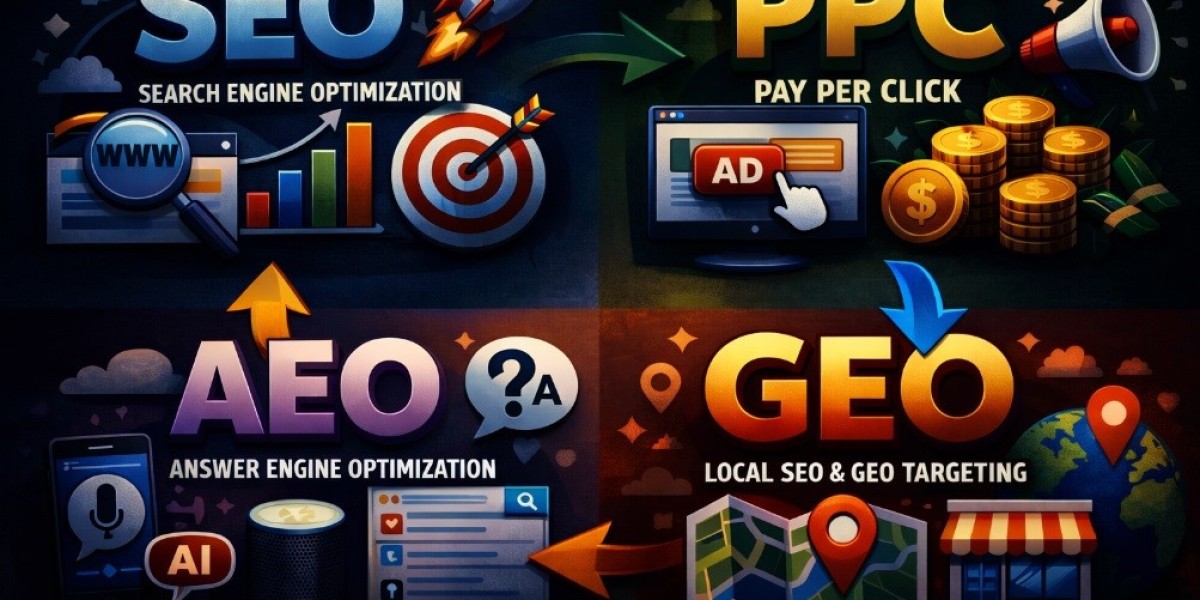


Achieving full visibility in modern search engines requires synergy across four key disciplines: traditional SEO for ranking, GEO (Generative Engine Optimization) for citations in AI answers, AEO (Answer Engine Optimization) for voice assistants and structured snippets, and Link Building for authority. Here is a strategic manifesto and content framework designed to cover all these fronts simultaneously.
Strategic Foundation for Multi-Platform Visibility
The modern user no longer just searches for a keyword on Google—they ask complex questions to AI platforms, expect direct answers on their smartwatches, and rely on expert opinions backed by authoritative references. To dominate everywhere, your content must be structured as a source of truth rather than just text to fill space.
To win in the era of GEO and AEO, algorithms must be able to extract your facts effortlessly. This requires a clear content hierarchy, definitive sentences at the beginning of sections, and zero fluff in the introductions.
Anatomy of an Article Built for GEO, SEO, AEO, and Link Building
1. Title and Metadata Focused on Intent
The title must precisely match user intent while remaining engaging enough for social sharing—the foundation for organic Link Building. Use clear interrogative formats for AEO and precise terminology for GEO.
2. Direct Answer Block — The Key to AEO and GEO
Place a concise, definitive answer (between 40 and 60 words) right at the beginning of the article below the main heading. AI engines like ChatGPT, Perplexity, and Google AI Overviews hunt for these exact blocks to pull as direct answers.
3. Semantic Depth and Expertise (EEAT)
AI platforms and Google algorithms value depth and original data. Include:
Case studies and original research
Quotes from industry leaders (a magnet for links, as these experts will share the material)
Specific terminology without redundant explanations
4. Structuring for Machine Readability
Use a logical structure with H2 and H3 tags addressing specific sub-questions. Apply bulleted lists and comparison tables. Machine learning recognizes tabular data as highly structured, increasing the probability of selection for featured snippets and AI citations.
Actionable Execution Plan
Question Research: Gather questions from Google’s People Also Ask section and forums like Reddit—this is your raw material for AEO.
Citation Optimization (GEO): Embed unique statistical data, formulas, or proprietary frameworks that AI models can cite as a primary source.
Link-Building Potential: Include at least one element that sparks discussion or provides a ready-to-use resource (infographic, free template, original metric) that other sites will want to link back to.
Technical Schema Markup: Implement Article, FAQPage, and HowTo structured data to make life as easy as possible for search engine bots and AI agents.