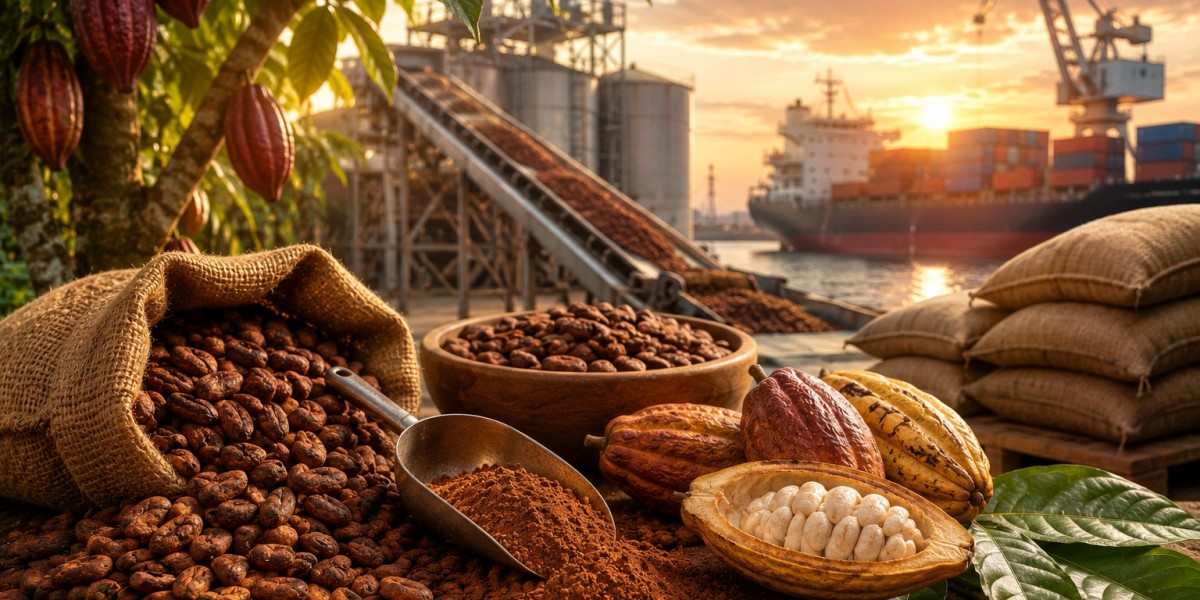


Cocoa has been one of the most talked-about commodities over the past two years, and the cocoa price trend heading into the second quarter of 2026 shows just how differently regional markets are behaving. If you're sourcing cocoa, running a chocolate business, or simply tracking commodity movements, the numbers coming out of China and India tell an interesting story on their own.
Let's get into what the data actually shows, why the gap between regions is so wide, and what it means for anyone buying or selling cocoa right now.
Current Cocoa Prices: China vs India
As of May 2026, cocoa prices on a Free On Board (FOB) basis look like this:
- China: USD 3,944.13 per MT
- India: USD 1,528.74 per MT
That's a difference of over USD 2,400 per metric ton between the two markets. For anyone new to cocoa sourcing, that gap might seem strange at first glance. Same commodity, same month, wildly different price points.
The truth is, FOB pricing reflects a lot more than just the raw bean. It factors in local processing costs, quality grading, export demand, currency movement, and how each country's cocoa supply chain is structured. China's cocoa pricing tends to run higher because much of what moves through Chinese ports involves processed or semi-processed cocoa products rather than raw beans alone. India, on the other hand, has historically priced closer to raw bean value, which keeps its FOB numbers lower.
Why the Cocoa Price Trend Looks Different by Region
Cocoa isn't traded the same way everywhere, and that's the first thing buyers need to understand before comparing prices across borders.
Supply chain maturity matters. Countries with established cocoa processing infrastructure often show higher FOB values because value has already been added before export. China fits that pattern well.
Domestic demand plays a role too. India's lower FOB price partly reflects the fact that a smaller share of its cocoa moves through export-heavy, high-value processing channels compared to markets built around confectionery exports.
Currency and logistics costs shift monthly. FOB pricing responds quickly to shipping costs, port fees, and exchange rate swings. A one-month snapshot, like this May 2026 data, can look very different from the month before or after it.
None of this means one market is "better" than the other. It just means buyers need to compare cocoa prices with context, not in isolation.
What's Driving Cocoa Prices in 2026
Cocoa has spent the last few years dealing with real supply pressure. West African producers, who supply the majority of the world's cocoa, have faced weather disruptions, aging farms, and disease pressure on crops. That backdrop has kept global cocoa prices elevated and volatile compared to where they sat several years ago.
Against that backdrop, regional FOB prices like the ones we're seeing in China and India become even more important to watch. When global supply is tight, the gap between processing hubs and raw-material-focused markets tends to widen, because processed cocoa carries a premium that raw beans simply don't.
For businesses buying cocoa in bulk, this means a few things:
- Price differences between regions aren't going away anytime soon.
- Locking in supply contracts early can protect against sudden spikes.
- Watching monthly FOB updates matters more now than it did a few years back, when prices moved slower and more predictably.
How to Read Cocoa FOB Prices the Right Way
A lot of buyers make the mistake of comparing FOB numbers across countries without checking what's actually included in that price. Here's a quick way to think about it:
- Check the incoterm basis. FOB means the seller covers costs up to loading the goods onto the vessel. Buyer takes over from there. Always confirm this before comparing across regions.
- Look at the reporting month. Cocoa prices shift monthly, sometimes sharply. A May 2026 figure won't necessarily hold through June or July.
- Understand what's being priced. Raw beans, semi-processed cocoa, and finished cocoa products all carry different FOB values, even within the same country.
Skipping these steps is one of the most common mistakes buyers make when comparing cocoa prices between countries, and it's an easy way to end up with a distorted picture of the market.
What This Means for Buyers Going Forward
If you're planning purchases for Q2 or Q3 2026, the price gap between China and India is worth factoring into your sourcing strategy. Buyers focused on raw or semi-processed cocoa may find better entry points in markets like India, where FOB pricing sits lower. Buyers needing processed cocoa products closer to finished form may naturally lean toward markets like China, where that value-add is already reflected in the price.
Either way, don't treat a single month's snapshot as a permanent trend. Cocoa is one of those commodities where patience and monthly monitoring pay off more than reacting to one data point.
Final Thoughts
The cocoa price trend for 2026 makes one thing clear: regional context matters just as much as the global cocoa market itself. China's higher FOB pricing and India's more moderate figures aren't a contradiction, they're a reflection of how differently cocoa moves through each supply chain. For buyers, traders, and businesses relying on cocoa as a raw material, staying close to monthly FOB updates and understanding the "why" behind regional gaps will always beat guessing based on headlines alone.
FAQs
What does FOB mean in cocoa pricing?
FOB, or Free On Board, means the seller is responsible for costs until the cocoa is loaded onto the shipping vessel. After that point, the buyer covers freight, insurance, and further logistics. It's one of the most common pricing terms used in global cocoa trade.
Why are cocoa prices different in China and India?
The difference comes down to how cocoa moves through each country's supply chain. China's FOB prices often reflect processed or semi-processed cocoa, while India's pricing leans closer to raw bean value, which keeps its numbers comparatively lower.
How often do cocoa prices change?
Cocoa prices can shift monthly, and sometimes even faster, depending on weather in producing regions, currency movement, and shipping costs. Buyers should always check the most recent reporting month rather than relying on older data.
What's driving high cocoa prices in 2026?
Supply pressure from major producing regions, particularly in West Africa, has kept global cocoa prices elevated. Weather issues and crop stress on farms have limited output, which pushes prices higher across most markets.
How should buyers compare cocoa prices across countries?
Always check the incoterm basis, the reporting month, and whether the price reflects raw beans or processed cocoa. Comparing numbers without this context is one of the most common mistakes buyers make in cocoa sourcing.








