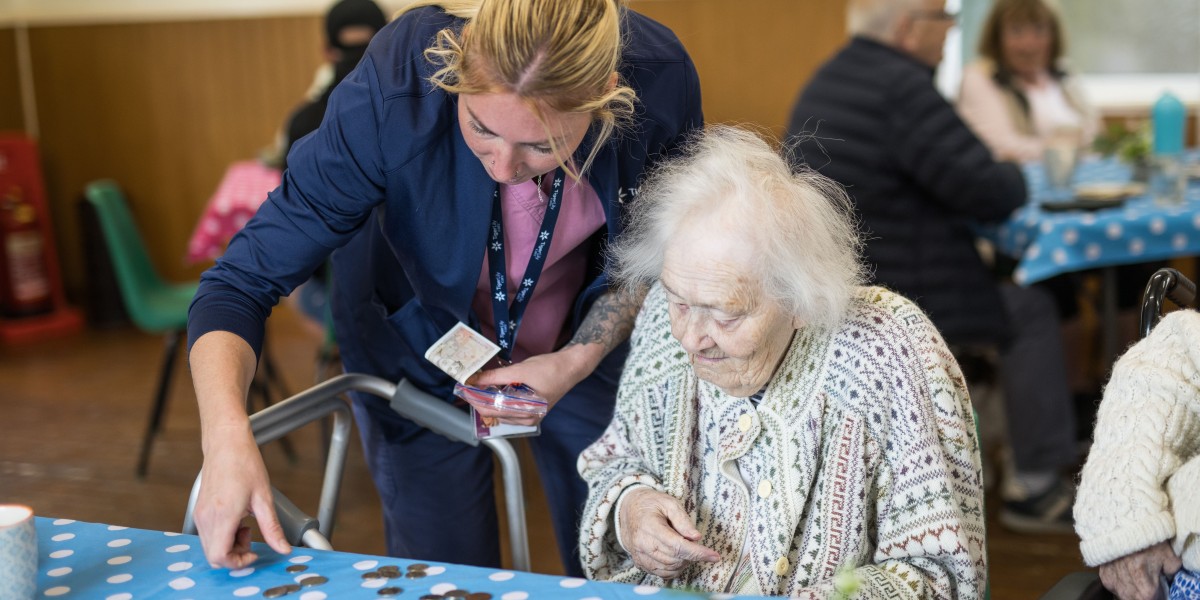


Independent living is about having the freedom to make choices, manage everyday activities, and participate in the community with confidence. For people living with disability, older adults, and individuals who require additional support, technology is increasingly making this independence more achievable.
From smart home devices and mobility equipment to communication tools and digital applications, assistive technology is changing the way people approach daily life. These innovations are not designed to replace human support. Instead, they can complement professional care and empower individuals to take greater control of their routines, safety, and personal goals.
What Is Assistive Technology?
Assistive technology refers to products, equipment, software, and systems that help people perform tasks that may otherwise be difficult. These solutions can range from simple everyday tools to advanced digital technologies.
Examples include mobility aids, electronic communication devices, smart home systems, voice-controlled assistants, medication reminders, hearing devices, and specialised computer software. The right technology depends on an individual's needs, abilities, preferences, and lifestyle.
For some people, assistive technology may help with cooking, cleaning, communication, or getting around the home. For others, it may provide greater independence when managing appointments, accessing information, or connecting with family and friends.
Making Everyday Tasks More Manageable
One of the biggest advantages of assistive technology is its ability to simplify everyday activities. Smart home technology, for example, can allow individuals to control lights, heating, doors, and other household features using a smartphone or voice commands.
Automated systems can also support people who have limited mobility or difficulty operating traditional switches and controls. These small changes can make a meaningful difference to a person's ability to manage their home environment independently.
Technology can also assist with organisation. Digital calendars, reminders, medication alerts, and scheduling applications can help individuals stay on top of important tasks. When these tools are personalised to the user's needs, they can encourage greater confidence and reduce reliance on others for routine activities.
Supporting Independence Through Personalised Care
Technology works best when it is combined with a person-centred approach. Every individual has different goals, preferences, and challenges, which means there is no single solution that works for everyone.
In the wider landscape of Melbourne disability services, assistive technology can complement personalised support by helping individuals build confidence and participate more actively in daily life. A support team may help a person understand how to use a particular device or identify technology that aligns with their goals.
The focus should always remain on the individual. Technology should be selected because it provides genuine value, not simply because it is new or advanced.
Improving Safety at Home
Safety is another area where assistive technology can make a significant difference. Smart sensors, emergency alert systems, fall detection devices, and monitoring technologies can provide additional reassurance for individuals and their families.
For older adults, technology can support safer living while helping them remain in familiar surroundings for longer. For people with disability, environmental controls and emergency communication devices may provide greater confidence when completing daily activities independently.
However, technology should be viewed as one part of a broader safety plan. Professional support, appropriate home modifications, and regular communication with family or care teams may also be important depending on an individual's circumstances.
Technology and Aged Care
The ageing population is also contributing to the growing use of technology in care. Digital tools can help older adults remain connected, manage daily routines, and access assistance when required.
For individuals receiving in home aged care Melbourne services, assistive technology can complement the support provided by care professionals. For example, a person may use smart home technology to control their environment while a support worker assists with personal care, household tasks, or community participation.
This combination of technology and human connection can create a more flexible approach to care. While technology can provide convenience and additional safety, compassionate human interaction remains an essential part of quality support.
Enhancing Communication and Social Connection
Communication technology has opened new opportunities for people who may experience barriers to traditional forms of communication. Speech-generating devices, communication applications, and accessibility features can help individuals express their needs, preferences, and ideas.
Video calls and social platforms can also make it easier for people to stay connected with friends, family, and community groups. This can be particularly valuable for individuals who find travelling or attending social activities challenging.
Maintaining social connections is an important part of independent living. Technology can help reduce isolation and create opportunities for participation, learning, and personal development.
The Role of Support Workers
Although technology can provide valuable assistance, the human element of care remains extremely important. Support workers can help individuals understand and use technology in ways that are practical and meaningful to their lives.
An NDIS disability support worker may assist a participant with developing daily living skills, participating in the community, and working towards personal goals. Depending on the individual's support plan, technology may be incorporated into these activities to encourage greater independence.
For example, a support worker might help someone learn to use a smartphone accessibility feature, navigate a digital application, or become comfortable with a smart home device. The goal is not simply to introduce technology but to help the individual use it confidently.
Looking Towards the Future
The future of assistive technology is likely to bring even more personalised solutions. Artificial intelligence, wearable devices, robotics, and smart home systems are continuing to evolve, creating new possibilities for people who want greater control over their daily lives.
However, accessibility and affordability will remain important considerations. Technology should be easy to use, reliable, and appropriate for the people who need it. Individuals should also have access to guidance and support so they can make informed decisions about the tools that may benefit them.
As technology continues to develop, the most successful solutions will be those that focus on real-life needs rather than technology for its own sake.
Choosing the Right Support
Finding the right combination of technology and personal support can make a meaningful difference to quality of life. Every person's situation is different, so it is important to consider individual goals, preferences, abilities, and living arrangements.
Professional disability support services Melbourne providers can play an important role in helping individuals explore suitable support options. With the right approach, assistive technology can complement personalised care and help people participate more actively in their homes and communities.
At My Holistic Care, we believe that quality support should always be centred around the individual. Our approach focuses on understanding each person's unique needs and supporting them to live with greater confidence, choice, and independence. We recognise that technology can be a valuable part of modern support, but genuine care, understanding, and human connection remain at the heart of everything we do.
Final Thoughts
Assistive technology is transforming independent living by making everyday activities more accessible, supporting safety, improving communication, and creating new opportunities for participation. When thoughtfully selected and combined with personalised human support, technology can help individuals take greater control of their routines and work towards the lifestyle they want.
The future of independent living is not about choosing between technology and personal care. It is about bringing the two together in a way that respects individual choice and supports meaningful independence.
At My Holistic Care, we are committed to supporting individuals with a person-centred approach that recognises their strengths, goals, and aspirations. By combining compassionate support with practical solutions and modern technology, we aim to help people move towards a more confident, connected, and independent life.








