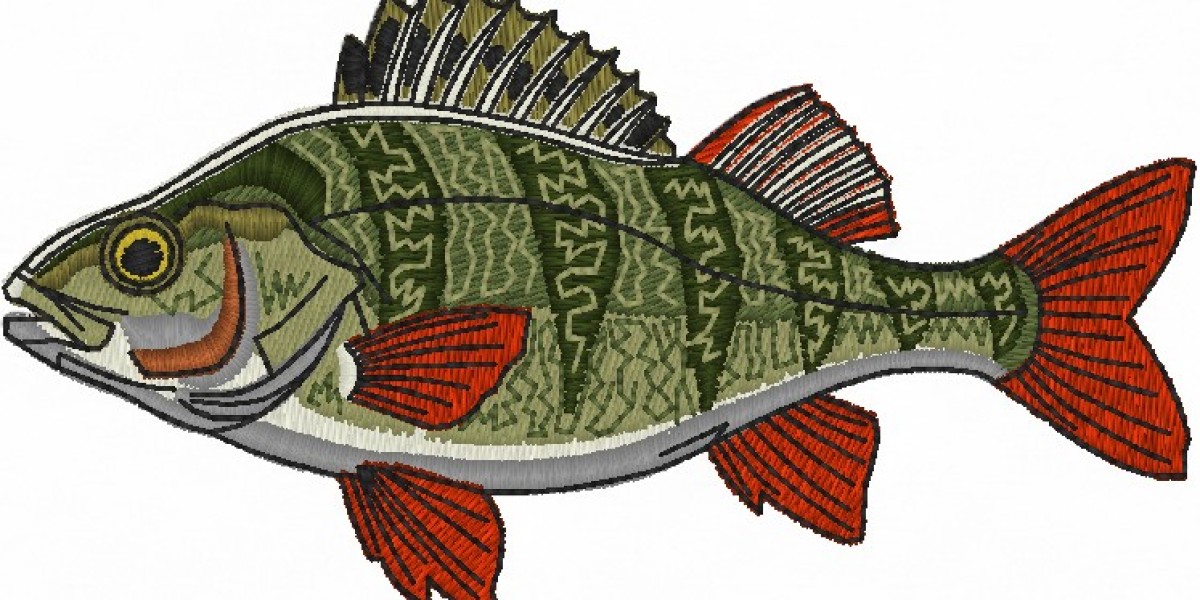


Walk into any café in Melbourne, trade site in Perth, or gym in the Gold Coast, and you'll notice something: branded apparel isn't just for big corporations anymore. Small and medium Australian businesses are investing in custom embroidered uniforms, caps, and jackets at a rate we haven't seen before — and it's changing how local brands present themselves.
Why Embroidery Is Winning Over Screen Printing
For years, screen printing was the default for branded workwear in Australia because it was cheap and fast. But as more businesses compete for attention — especially in hospitality, trades, and fitness — embroidery has become the preferred finish for a few practical reasons:
- Durability: Stitched logos survive years of washing, unlike printed vinyl that cracks and peels.
- Perceived value: Embroidered polos and jackets read as premium, which matters for client-facing staff.
- Versatility: Embroidery works on caps, jackets, and heavy fabrics where printing often fails.
Trades businesses in particular — plumbers, electricians, builders — have leaned into embroidered hi-vis and jackets because the stitching holds up to daily wear far better than heat transfers.
The Hidden Step Most Business Owners Don't Know About
Here's something a lot of first-time buyers get wrong: you can't just hand a JPG logo to an embroidery machine. Machines read stitch files — formats like DST, PES, or JEF — that tell the needle exactly where to go, what direction to stitch, and how dense the fill should be. Converting a flat logo into one of these files is called embroidery digitizing, and it's a skill, not a software button. A poorly digitized file leads to puckering, thread breaks, or a logo that just doesn't look like your brand.
This is why many Australian print shops, uniform suppliers, and even individual business owners now outsource digitizing to specialists rather than relying on auto-digitizing software, which tends to butcher fine text and gradients. Services like Dream Embroidery Design work specifically with businesses across Sydney, Melbourne, Brisbane, Perth, and Adelaide, offering manually digitized files with fast turnaround — which matters a lot when you're trying to get 40 staff uniforms ready before a launch date.
Caps Are Their Own Challenge
If you've ever tried to get a detailed logo embroidered onto a cap and had it come out warped or off-centre, you've run into the curved-surface problem. Cap digitizing requires different underlay and stitch sequencing than a flat polo shirt logo, because the hoop has to work around a curved, limited surface. It's a small detail that separates a professional-looking cap from an amateur one — and it's worth asking your supplier specifically whether they digitize for caps differently.
What to Ask Before You Order Embroidered Uniforms
If you're a business owner in Australia looking to order embroidered apparel for the first time, ask your supplier or digitizer these questions:
- Is the file manually digitized, or auto-generated by software?
- What formats do you provide (DST, PES, JEF, VP3)?
- What's the turnaround time, and is rush service available?
- Do you offer revisions if the stitch-out doesn't match your logo?
Getting these answers upfront saves you from ordering 50 jackets only to discover the logo looks nothing like your brand once stitched.
The Takeaway
Custom embroidery isn't just a branding nice-to-have anymore for Australian businesses — it's become a low-cost way to look established and professional, whether you're a five-person landscaping crew or a growing hospitality chain. The part that trips people up is almost always the digitizing step, so it pays to work with someone who specializes in it rather than treating it as an afterthought.