

Baking the perfect cake requires more than just following a recipe. The type of oven you use can significantly impact the texture, rise, moisture, and overall appearance of your baked goods. One of the most common questions among home bakers and commercial bakery owners is whether a convection oven or a conventional oven is better for baking cakes.
While both oven types can produce delicious cakes, they work differently and are suited to different baking needs. Understanding these differences will help you choose the right equipment and achieve consistently excellent results.
This guide will let you know which delivers better results- convection oven vs conventional oven.
Understanding How Each Oven Works
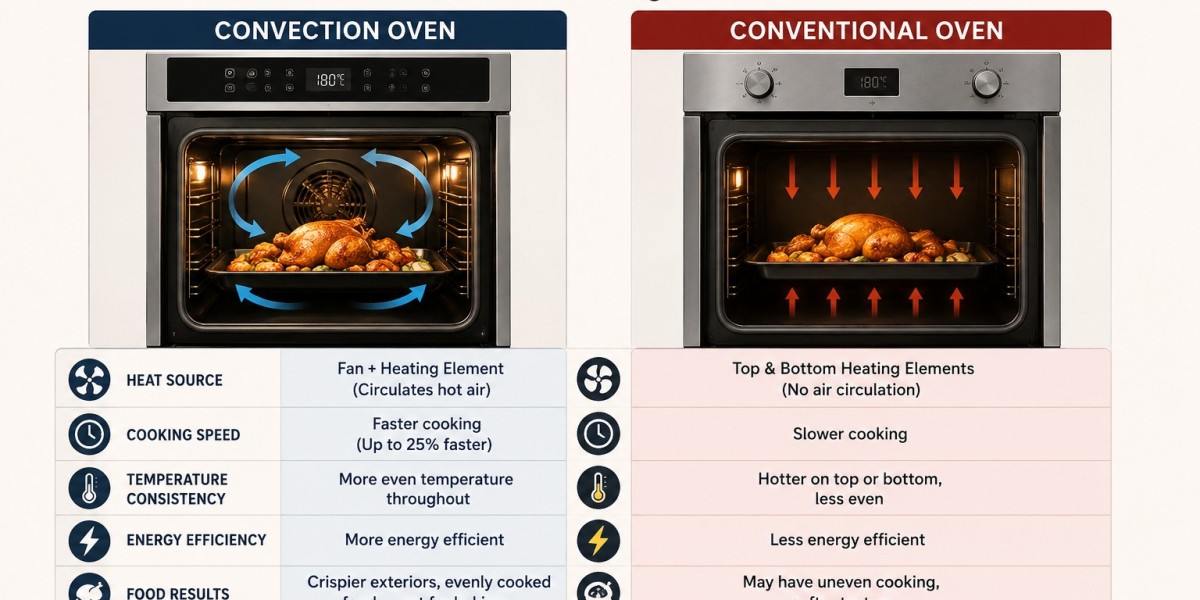
A conventional oven uses heating elements at the top and bottom of the oven cavity. Heat rises naturally, creating a stable cooking environment that many cake recipes are designed for.
A convection oven, on the other hand, includes a fan and exhaust system that continuously circulates hot air throughout the oven. This improves heat distribution, reduces cooking time, and promotes even browning.
Why Conventional Ovens Are Popular for Cakes
Professional bakers have long relied on conventional ovens for delicate cakes because of their gentle and consistent heating.
Advantages include:
Better rise for sponge cakes
Reduced risk of over-browning
Stable baking environment
Excellent moisture retention
Ideal for cheesecakes, chiffon cakes, pound cakes, and layered cakes
Since there is no forced airflow, delicate batters have more time to expand before the cake structure sets.
Benefits of Using a Convection Oven
Convection ovens also have their advantages, especially in commercial kitchens where efficiency matters.
Benefits include:
Faster baking times
More even heat distribution
Consistent results when baking multiple trays
Better energy efficiency
Reduced hot spots
Many modern commercial convection ovens allow users to disable the fan or reduce its speed, making them more suitable for baking delicate desserts.
Cake Types Best Suited for Conventional Ovens
Conventional ovens work particularly well for:
Sponge cakes
Angel food cakes
Cheesecakes
Pound cakes
Butter cakes
Fruit cakes
Wedding cakes
These cakes benefit from gentle heating that allows them to rise evenly without drying out.
Cake Types Suitable for Convection Ovens
Convection ovens are excellent for:
Cupcakes
Muffins
Cookies
Brownies
Sheet cakes
Bundt cakes
Tray bakes
The circulating air helps produce even baking across multiple trays, making convection ovens a popular choice in commercial bakeries.
Comparing Baking Performance
Baking Time
Convection ovens typically bake cakes 20–25% faster than conventional ovens. When using a convection oven, many bakers reduce the temperature by approximately 25°F (about 15°C) to prevent over-browning.
Texture
Conventional ovens often produce softer, fluffier cakes because the batter rises gradually.
Convection ovens can create a slightly firmer exterior due to continuous airflow, although modern ovens minimize this effect.
Browning
Convection ovens brown cakes more evenly and quickly.
Conventional ovens produce lighter-colored cakes that many decorators prefer because they are easier to frost.
Moisture
Conventional ovens generally retain moisture better for delicate cakes.
Convection ovens may dry cakes slightly if baking times or temperatures are not adjusted correctly.
Which Oven Is Better for Commercial Bakeries?
The answer depends on production volume.
Choose a conventional oven if you primarily bake:
Custom celebration cakes
Wedding cakes
Cheesecakes
Artisan cakes
Premium desserts
Choose a convection oven if you bake:
Cupcakes
Muffins
Cookies
Brownies
Large quantities of sheet cakes
Many professional bakeries use both oven types to maximize flexibility and efficiency.
Tips for Baking Cakes in a Convection Oven
If you're using a convection oven, follow these tips for better results:
Lower the baking temperature by about 15°C (25°F).
Check for doneness several minutes earlier than the recipe suggests.
Use the center rack whenever possible.
Avoid opening the oven door frequently.
Bake only as many trays as recommended by the manufacturer to maintain proper airflow.
Which Oven Should You Choose?
If your priority is delicate cakes with excellent rise, a conventional oven remains the preferred choice.
If speed, consistency, and high-volume production are more important, a convection oven offers significant advantages.
For bakeries and restaurants that prepare a variety of baked goods, investing in a convection oven with adjustable fan settings provides the best of both worlds.
Learn More About Convection and Conventional Ovens
Still unsure which oven is right for your kitchen? Read our detailed guide, Convection Oven vs. Conventional Oven: Which Is Right for You?, where we compare cooking performance, energy efficiency, baking quality, roasting capabilities, and ideal applications for both oven types.
https://www.thehorecastore.com/blog/convection-oven-vs-conventional-oven-which-is-right-for-you
Final Thoughts
Both convection and conventional ovens can produce outstanding cakes when used correctly. Conventional ovens excel at baking delicate, moisture-rich cakes with an even rise, while convection ovens offer faster cooking, better heat circulation, and improved productivity for commercial baking.
Choosing the right oven ultimately depends on your baking style, production needs, and the types of cakes you prepare most often. By understanding the strengths of each oven, you can achieve consistently delicious results and make a more informed purchasing decision for your home or commercial kitchen.








