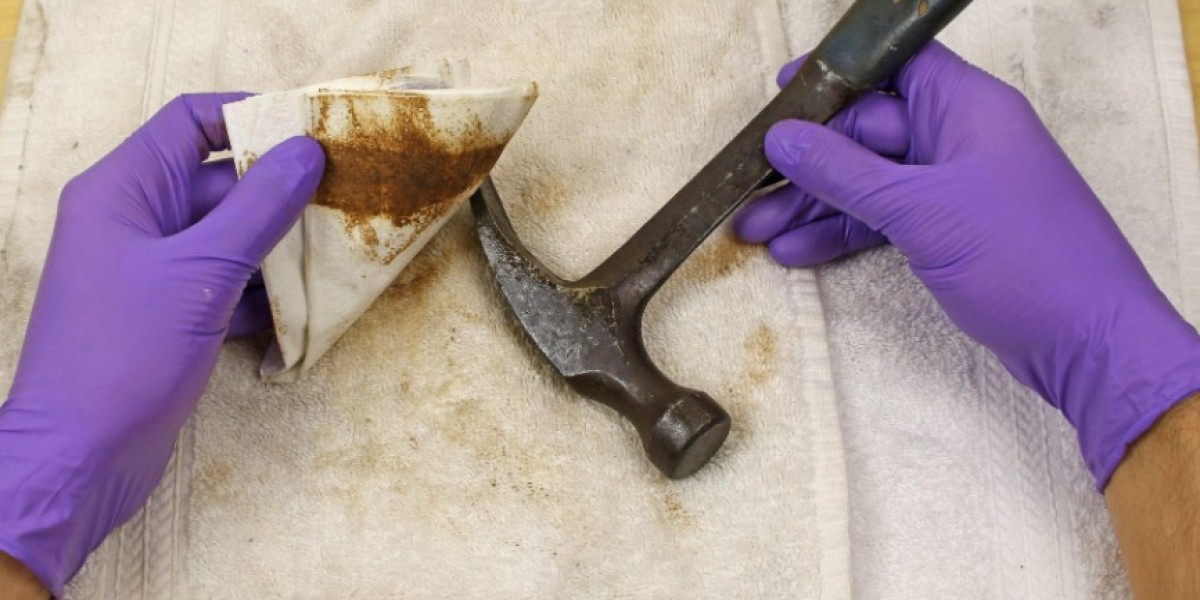


Rust can quickly weaken metal surfaces, affect their appearance, and shorten the lifespan of tools, equipment, vehicles, and household fixtures. Using the right rust remover for metal helps eliminate corrosion while preparing the surface for long-term metal rust protection. Whether you're restoring old tools or maintaining industrial equipment, understanding how rust removers work can help you choose the most effective solution.

Why Does Metal Rust?
Rust forms when iron or steel reacts with oxygen and moisture. Over time, this chemical reaction creates iron oxide, which gradually weakens the metal. Common causes include:
Rain and humidity
Salt exposure
Water leaks
Scratched protective coatings
Poor storage conditions
Early rust removal prevents corrosion from spreading and causing more expensive repairs.
What Is a Rust Remover for Metal?
A rust remover for metal is a product designed to dissolve, loosen, or lift rust from metal surfaces. Different formulas work in different ways, including chemical reactions, chelating agents, and mechanical cleaning methods.
Popular rust removal products include:
Rust removal gels
Liquid rust removers
Spray rust removers
Rust converter solutions
Rust removal pads and abrasives
The best choice depends on the type of metal, the amount of rust, and the intended finish.
Types of Rust Removers
Chemical Rust Removers

These products dissolve rust quickly and work well for heavily corroded parts. They are commonly used for tools, automotive components, and machinery.
Chelating Rust Removers
Chelating formulas lift rust without damaging the underlying metal. They are often preferred for delicate or valuable items because they are generally less aggressive than acidic removers.
Rust Converter Products

Rather than removing rust completely, rust converters transform rust into a stable protective layer that can be painted over.
Mechanical Rust Removal
Wire brushes, sanding discs, and abrasive pads physically remove rust and work best for surface corrosion before applying protective coatings.
How to Remove Rust from Metal
Clean the surface: Remove dirt, grease, and loose debris.
Apply the rust remover: Follow the manufacturer's instructions for coverage and application.
Allow the product to work: Let the remover sit for the recommended time.
Scrub if necessary: Use a brush or abrasive pad for stubborn areas.
Rinse and dry: Remove residue and dry thoroughly to prevent new rust.
Apply metal rust protection: Finish with primer, paint, or a protective coating.
Best Practices for Metal Rust Protection
Removing rust is only the first step. Protecting the metal afterward helps prevent corrosion from returning.
Effective metal rust protection methods include:
Applying rust-resistant primer
Using protective paint
Applying clear protective coatings
Keeping metal surfaces clean and dry
Storing tools in low-humidity environments
Using corrosion inhibitors for industrial equipment
Common Applications
Rust removers are useful for many types of metal surfaces.
Hand tools
Automotive parts
Garden equipment
Steel pipes
Machinery
Outdoor furniture
Metal railings
Industrial equipment
Choosing a product designed for your specific application helps achieve better results.
Mistakes to Avoid
Avoid these common rust removal mistakes:
Leaving rust remover on too long
Skipping protective coatings afterward
Using harsh abrasives on delicate surfaces
Ignoring safety instructions
Allowing cleaned metal to remain wet
Proper care after rust removal for metal significantly extends the life of metal surfaces.
FAQ About Rust Remover for Metal
What is the best rust remover for metal?
The best rust remover depends on the application. Chemical removers work well for heavy rust, while chelating solutions are ideal for preserving delicate metal surfaces.
Can rust be completely removed from metal?
Yes, surface rust can often be removed completely. Deep corrosion may leave pitting even after the rust is gone.
How do I protect metal after removing rust?
Apply a rust-resistant primer, paint, clear coating, or corrosion inhibitor to help prevent future rust formation.
Can rust remover damage metal?
Some acidic rust removers can affect certain metals if left on too long. Always follow the product instructions and test on a small area when appropriate.
Does rust remover work on stainless steel?
Many rust removers are suitable for stainless steel, but it's important to choose a formula specifically labeled as safe for that material.
Is sanding better than chemical rust removal?
Sanding works well for light surface rust, while chemical removers are often more effective for heavier corrosion or hard-to-reach areas.
How can I prevent rust from coming back?
Keep metal clean, dry, and protected with a suitable coating. Regular inspections and maintenance help stop rust before it spreads.









