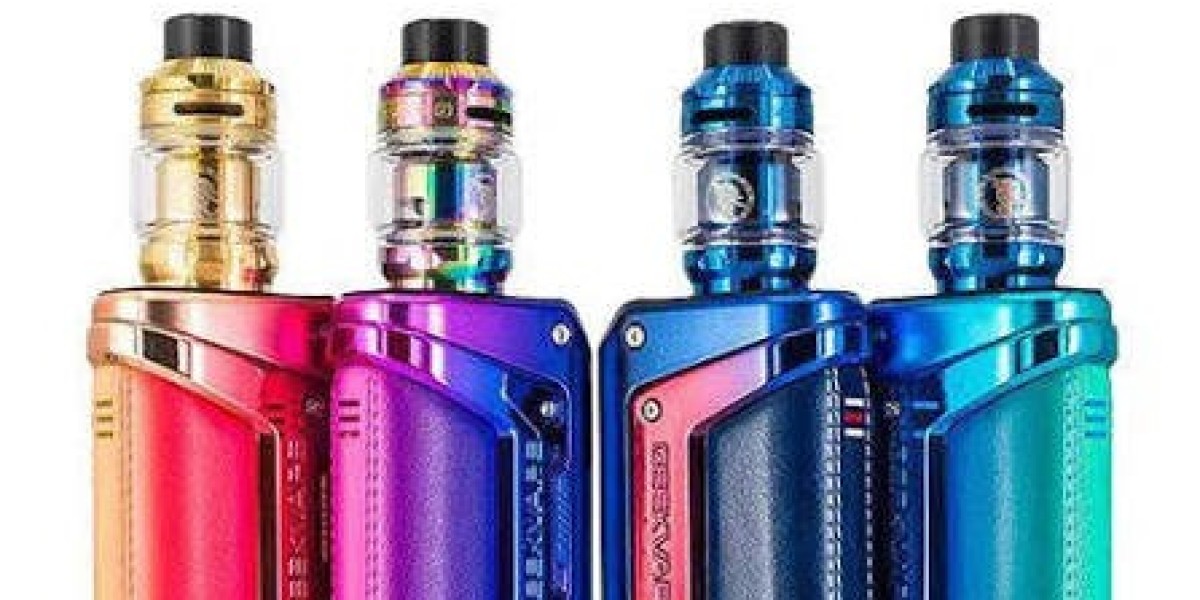


Yes, heavy vape mods can produce massive clouds, but high wattage alone is not enough. Cloud production depends on matching power with a suitable low-resistance coil, generous airflow, compatible e-liquid, and adequate battery capacity. When those elements work together, the result can be dense, consistent vapour without unnecessarily pushing hardware.
Cloud chasing has quietly become one of the most talked-about sides of vaping, and it’s not difficult to understand the appeal. There’s something satisfying about watching a thick, rolling cloud build up with every inhale and slowly disappear into the air. For many enthusiasts, that visual element is a big part of the experience.
But getting those impressive clouds isn’t simply a case of buying the biggest device you can find. There is quite a bit going on behind the scenes. Wattage, coil resistance, airflow, e-liquid and battery capacity all need to work together. Get the combination right and you can produce impressive vapour without relying on one specification to do all the work.
Why Wattage Alone Won’t Get You There
It’s easy to look at a device rated at 200W and assume it will automatically produce enormous clouds. In reality, maximum wattage is only one part of the equation.
Wattage determines how much electrical power is delivered to the coil, but the coil needs to be capable of handling that power. If you pair a powerful device with a coil designed for much lower output, increasing the wattage won’t suddenly turn it into a cloud machine. You could end up overheating the coil, wasting e-liquid or simply getting a burnt taste.
This is why experienced users tend to look at the complete setup rather than focusing on the biggest number on the specification sheet.
A device offering plenty of power gives you room to experiment with different coils and settings, but you don’t necessarily need to operate anywhere near its maximum output. In many cases, finding the right setting within the coil manufacturer’s recommended range produces a much more enjoyable result.
Coil Resistance Is Where the Real Work Happens
The coil is arguably the heart of any cloud-focused setup.
Lower-resistance coils generally allow more current to flow and are commonly designed to operate at higher wattages. Coils around the 0.15 to 0.3-ohm range are often associated with direct-to-lung vaping and substantial vapour production, although the correct resistance depends entirely on the specific device and coil design.
This is where mesh coils have made a noticeable difference. Instead of relying on a single round piece of wire, mesh coils use a broader heating surface. More of the e-liquid comes into contact with the heated surface at once, which can result in fast heating, consistent vapour production and strong flavour.
However, lower resistance also means greater demands on the device and battery. Anyone experimenting with advanced builds needs to understand battery safety and Ohm’s law rather than simply choosing the lowest resistance available.
For beginners, manufacturer-designed replacement coils are generally the easier route because their specifications and recommended wattage ranges are clearly provided.
Airflow Can Completely Change the Experience
You can have plenty of power and an excellent coil, but restricted airflow can still hold the entire setup back.
Cloud-focused tanks generally use large airflow channels that allow a substantial amount of air to pass over the coil. When the airflow is opened, the resulting inhale feels cooler and more expansive, while a greater volume of vapour can be carried through the mouthpiece.
This is very different from a mouth-to-lung setup, where a tighter draw creates a warmer and more concentrated sensation.
Wide-bore drip tips can also contribute to the experience by allowing vapour and air to move through the mouthpiece more freely. Adjustable airflow is particularly useful because it allows you to experiment rather than locking you into one specific draw.
That doesn’t mean the airflow always needs to be completely open. Some people prefer slightly restricted airflow because it provides a better balance between cloud production and flavour. Small adjustments can make a surprisingly noticeable difference.
High-VG E-Liquid Has a Role to Play
The e-liquid you use can also have a major impact on the size and density of your clouds.
Vegetable glycerine, or VG, is a thicker liquid that is well known for producing dense, smooth vapour. That’s why higher-VG formulations are commonly associated with direct-to-lung and cloud-focused setups.
A 70/30 VG/PG blend is a popular choice for this type of vaping, although the ideal ratio ultimately depends on the tank and coil you’re using.
There’s an important catch, though. Higher-VG e-liquid is thicker and doesn’t wick as easily as thinner formulations. Using it in hardware with small wicking ports can result in poor saturation and dry hits.
It’s always worth checking the recommendations for your specific coil before filling the tank. The right e-liquid won’t compensate for an unsuitable coil, just as the right coil won’t perform properly with a liquid it wasn’t designed to handle.
Battery Capacity Can’t Be an Afterthought
Powerful setups naturally put more demand on their batteries.
A device running at higher wattage will consume battery power faster than a low-powered setup. That’s why dual-battery configurations are popular among people who regularly use higher-powered equipment. They can provide greater overall capacity and more consistent performance during longer sessions.
Removable batteries also require a little extra attention. Use cells that are compatible with the device and purchase them from reputable manufacturers. Battery wraps should be inspected regularly, and any cell with a damaged wrap should be removed from use until the wrap has been properly replaced.
Never carry loose lithium-ion batteries in a pocket or bag alongside keys, coins or other metal objects. A simple protective battery case is an inexpensive way to transport spare cells more safely.
High-powered equipment can be enjoyable, but battery safety should always come before chasing another few watts.
What Makes a Good Cloud-Focused Setup?
When comparing the best vape mods, it’s worth looking beyond the maximum wattage figure.
Battery configuration, chipset performance, coil compatibility, airflow adjustment, tank design and ergonomics all matter. A device that offers high output but has poor battery efficiency or limited coil compatibility may be less useful in practice than a slightly lower-powered setup that has been designed as a complete system.
A good cloud-focused setup should give you enough power to work with suitable coils, plenty of airflow and a tank capable of handling the resulting heat and vapour production.
This is also why it’s useful to think about how you actually vape. Someone who wants impressive clouds occasionally may not need an enormous setup, while someone who enjoys high-powered direct-to-lung vaping every day may value battery capacity and coil availability much more.
Bigger Clouds Usually Mean More E-Liquid
There’s no getting around this one.
The more vapour you’re producing, the more e-liquid you’re going to use. A powerful coil can vaporise considerably more liquid with each puff than a small, low-powered coil, so a bottle that lasts a long time in a basic setup may disappear surprisingly quickly in a cloud-focused one.
Battery consumption follows the same pattern. Higher power means more energy being used, which can mean more frequent charging.
For some enthusiasts, that’s simply part of the experience. For others, the increased running cost may make a more moderate setup preferable.
Understanding this trade-off before buying equipment can save you from spending money on a setup that doesn’t fit your everyday routine.
Technique Matters More Than You Might Think
Hardware isn’t the only thing responsible for cloud production.
Direct-to-lung vaping involves inhaling vapour directly into the lungs rather than first drawing it into the mouth. Longer, controlled inhales can generally produce more visible vapour than short puffs because the coil has more time to vaporise e-liquid.
However, repeatedly taking very long draws without allowing the wick to re-saturate can eventually cause dry hits. Giving the coil a moment between puffs allows fresh e-liquid to reach the heating surface.
There’s no need to make every inhale as long as possible. Finding a comfortable rhythm that suits your coil, airflow and power setting will usually give you more consistent results.
Don’t Sacrifice Flavour Just for Bigger Clouds
Cloud size can be impressive, but it isn’t the only thing that makes a setup enjoyable.
Increasing wattage and opening airflow can change the way an e-liquid tastes. You may get a larger cloud but a less concentrated flavour. Reducing the power slightly or restricting the airflow by a small amount can sometimes create a much better balance.
This is where experimentation becomes part of the fun.
Try changing one setting at a time rather than adjusting everything simultaneously. If you increase the wattage, see what happens. Then try adjusting the airflow. Once you understand how each change affects your setup, finding your preferred combination becomes much easier.
Start Sensibly and Build Your Knowledge
If you’re new to high-powered vaping, there’s no reason to jump straight into the most extreme setup available.
A moderate direct-to-lung configuration gives you plenty of opportunity to learn how wattage, coil resistance, airflow and e-liquid work together. Once you understand those basics, you’ll be in a much better position to decide whether you actually need more power.
The goal isn’t simply to produce the largest cloud in the room. It’s to understand your equipment well enough to create the type of vape you enjoy while staying within the manufacturer’s recommendations and practising good battery safety.
That’s ultimately what separates an impressive setup from one that’s simply powerful on paper.
Frequently Asked Questions
Do higher wattage devices always produce bigger clouds?
No. Higher wattage can increase vapour production when paired with a suitable coil, but wattage is only one part of the equation. Coil surface area, airflow, wicking and e-liquid composition all influence the final result.
What coil resistance is commonly used for cloud chasing?
Lower-resistance coils are commonly used for high-vapour setups, with many direct-to-lung coils falling below 0.5 ohms. The correct resistance depends on the specific coil and device, so always follow the manufacturer’s recommendations.
Is high-VG e-liquid better for producing large clouds?
High-VG e-liquid is commonly preferred for cloud-focused vaping because VG contributes to dense vapour. However, the liquid needs to be compatible with the coil’s wicking system. A liquid that is too thick can cause dry hits or poor saturation.
Do I need two batteries for high-powered vaping?
Not necessarily, but dual-battery devices can offer greater capacity and longer runtime when operating at higher power levels. Whether you need one or two batteries depends on the device and your usage habits.
Is cloud chasing suitable for beginners?
Beginners should first understand basic device operation, coil resistance, power settings and battery safety before experimenting with high-powered setups. Starting conservatively and following manufacturer guidance is a much better approach than immediately using extreme settings.









