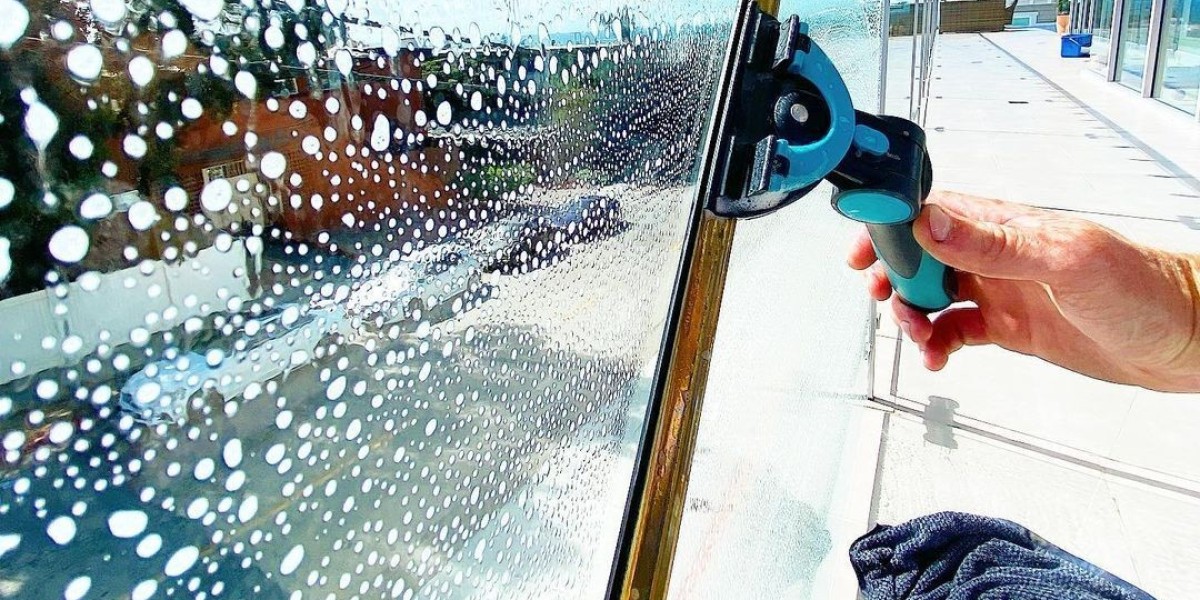


The building maintenance industry is undergoing its most significant technological evolution in decades. For generations, maintaining glass facades required workers suspended on scaffolding, swing stages, or hydraulic lifts, relying on basic squeegees and buckets of soapy water. Today, advancements in aerial robotics, multi-stage water filtration, and molecular nanotechnology are reshaping how residential and commercial properties maintain their architectural glass. Entrusting your property to a forward-thinking window cleaning company ensures access to safer, more efficient, and longer-lasting exterior care solutions that preserve your building envelope while optimizing daylighting and energy performance.
The Rise of Aerial Drones in High-Rise Facade Maintenance
One of the most impactful innovations in modern exterior care is the integration of heavy-lift, tethered unmanned aerial vehicles (UAVs) engineered specifically for high-altitude washing.
Elimination of High-Altitude Fall Risks: Falls remain a leading workplace hazard in high-rise maintenance. Drones allow technicians to operate soft-wash systems entirely from the ground, dramatically reducing personal liability risks and site safety hazards.
LiDAR and Ultrasonic Positioning: Modern cleaning drones utilize LiDAR sensors and ultrasonic distance meters to maintain a precise, constant distance from glass surfaces, preventing structural contact while ensuring uniform spray coverage.
Rapid Deployment and Zero Obstruction: Setting up conventional scaffolding or boom lifts can take days and obstruct parking areas or sidewalks. Drones require a minimal ground footprint and can be deployed within minutes, completing facade treatments up to 5 to 10 times faster than manual rope access teams.
Accessing Complex Architectural Geometries: Modern architectural designs featuring dramatic overhangs, slanted curtain walls, or recessed window bays often lack rooftop anchor points. Tethered drones maneuver easily around complex building geometry without requiring expensive rigging installations.
Comparing Traditional vs. High-Tech Glass Cleaning Methodologies
Nanotechnology and Hydrophobic Protective Coatings
Beyond cleaning existing dirt, modern facade care focuses heavily on surface protection technology. Glass appears smooth, but its microscopic surface contains pores and fissures where minerals, airborne pollutants, and organic sap accumulate.
How Hydrophobic Sealants Work
Applying molecular-level silicon dioxide () or nano-ceramic sealants fills these microscopic pores, creating an ultra-smooth, hydrophobic barrier. When rainwater hits a nano-treated pane, it cannot flatten or cling to the surface. Instead, the water beads into tight spheres that roll down the glass, picking up loose surface dust and washing it away naturally—a mechanism often called the "lotus effect."
Key Benefits of Surface Nanocoatings
Extended Cleaning Intervals: Treated windows remain clean 2 to 3 times longer than untreated glass, reducing annual maintenance frequency and long-term service costs.
Hard Water Staining Prevention: Mineral-rich sprinkler spray and rainwater runoff cannot bond to the sealed substrate, preventing permanent calcium etching.
UV and Oxidation Resistance: Nano-coatings protect surrounding vinyl, rubber, and aluminum window trims from atmospheric oxidation and solar UV degradation.
Integrated Solar Panel Cleaning: Restoring Renewable Energy Yields
As solar technology becomes a standard feature on commercial roofs and residential properties, exterior maintenance providers have expanded specialized services to include photovoltaic (PV) array cleaning.
The Cost of Soiled Photovoltaics: Dust, pollen, bird droppings, and industrial soot on solar panels create shading that restricts sunlight absorption. Studies indicate that dirty PV modules can lose between 15% and 25% of their total energy output efficiency.
Non-Abrasive Cleaning Protocols: Photovoltaic glass features delicate anti-reflective coatings. Using harsh chemical detergents, tap water with high mineral content, or abrasive scrubbing tools permanently damages these coatings.
Pure Water Solutions: Cleaning solar arrays with heated, deionized pure water lifts organic soil without scratching anti-reflective films or leaving mineral deposits, immediately restoring optimal power production.
Multi-Stage Water Filtration: The Science of Zero-Residue Drying
Whether deployed via carbon-fiber poles or aerial drones, modern pure water systems rely on multi-stage filtration to convert municipal tap water into an active cleaning agent:
Carbon Pre-Filtration: Removes chlorine, sediment, and large particulate matter to protect downstream filtration membranes.
Reverse Osmosis (RO): Forces water under high pressure through a semi-permeable membrane, stripping away up to 98% of dissolved inorganic minerals.
Deionization (DI) Resin: Passes the water through ion-exchange resin beds, removing the remaining dissolved ions to achieve a 0 Parts Per Million (PPM) Total Dissolved Solids (TDS) rating.
Because purified water contains zero minerals or detergents, it evaporates completely, leaving behind a streak-free, crystal-clear finish without any sticky soap residue to attract future dust.
Partnering with Innovative Exterior Care Specialists
Embracing modern technology transforms building maintenance from a risky, repetitive task into a streamlined, high-efficiency system. Utilizing pure water filtration, protective nanotechnology, and advanced high-reach techniques ensures your property maintains exceptional curb appeal while protecting glass substrates against environmental wear.
For complete residential and commercial exterior maintenance, high-reach glass care, and advanced facade washing, relying on proven industry leaders like Phillips Exterior Cleaning guarantees high safety standards, state-of-the-art equipment, and pristine, long-lasting results for your property.









