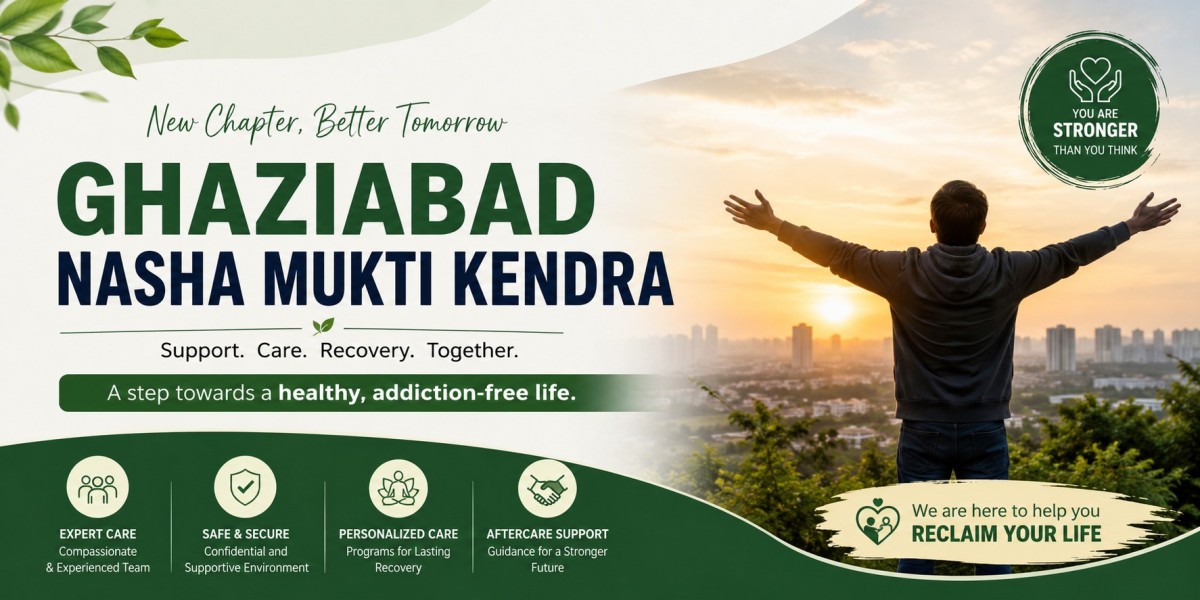


Finding the right place for recovery is an important decision. Every person comes with different experiences, family circumstances, habits, and personal goals, so one programme may not suit everyone. Taking time to understand what a centre offers can make the decision more practical and less stressful.
A suitable rehab centre should provide a safe, respectful, and structured environment where a person can work on healthier routines and develop skills for everyday life. Rather than choosing a centre only because it is nearby or popular, families should look at the quality, approach, facilities, support system, and plans for life after treatment.
Start by Understanding Personal Needs
Before comparing different centres, think about what kind of support is actually required. Some individuals may need a structured residential setting, while others may benefit from counselling and ongoing support while continuing their regular responsibilities.
It is also useful to consider whether the person feels comfortable with group activities, individual sessions, family involvement, or a highly organised daily routine. Understanding these preferences can narrow down the options.
Consider factors such as:
The level of daily structure required
The person's willingness to participate in recovery
Family involvement and communication needs
Work, education, or household responsibilities
The type of addiction recovery programme being offered
A clear understanding of these needs makes it easier to ask relevant questions when contacting a centre.
Look at the Centre's Approach to Recovery
Not every rehabilitation programme follows exactly the same approach. Some focus heavily on counselling, while others place greater emphasis on peer activities, daily routines, life skills, or family participation.
Ask how the programme is organised and what a typical day looks like. A good centre should be able to explain its approach clearly rather than making unrealistic promises about instant results.
The purpose should be to help individuals understand their behaviour, develop healthier coping methods, rebuild confidence, and prepare for responsibilities after treatment.
Check the Experience of the Support Team
The people providing guidance can have a major influence on the recovery environment. Families should find out who is responsible for counselling, daily supervision, and programme coordination.
Ask about the team's experience, qualifications, and responsibilities. It is also reasonable to ask how the centre handles concerns or emergencies and who families can contact when they need an update.
Choosing a Nasha Mukti Kendra in Ghaziabad becomes easier when families have clear information about the people involved and understand how support is provided throughout the programme.
Pay Attention to the Living Environment
The physical environment matters because residents may spend a significant amount of time there. A clean, organised, and respectful setting can make the transition into treatment more comfortable.
During a visit, observe whether common areas are maintained properly and whether residents appear to have enough space for rest, activities, and personal time.
Look for practical features such as:
Clean and comfortable sleeping arrangements
Safe common areas
Suitable spaces for counselling and group sessions
Regular meal arrangements
Opportunities for recreation and constructive activities
A comfortable setting does not guarantee successful recovery, but it can contribute to a more positive experience.
Understand the Daily Routine
Structure can be especially helpful when someone is trying to replace unhelpful patterns with healthier habits. A well-planned schedule gives each day a clear purpose.
Ask whether the programme includes counselling, group discussions, physical activities, personal reflection, recreational time, and responsibilities. The routine should be structured without becoming unnecessarily rigid.
A useful schedule can encourage people to:
Wake and sleep at consistent times.
Participate in planned sessions.
Stay physically and mentally engaged.
Complete personal responsibilities.
Spend time reflecting on progress.
These habits can later be adapted to life outside the centre.
Ask About Family Participation
Recovery affects families too. Misunderstandings, broken trust, and years of stress can make communication difficult. A centre that recognises the role of family can help create a stronger support system.
Ask whether family counselling, meetings, educational sessions, or regular communication are available. Family involvement should encourage progress while also respecting appropriate boundaries.
A Nasha Mukti Kendra in Ghaziabad may be a practical choice for local families who want easier access to meetings and ongoing communication. However, location should be considered alongside the quality and suitability of the programme.
Find Out How Progress Is Monitored
Recovery should not be measured only by how long someone stays at a centre. Progress can involve changes in behaviour, communication, responsibility, coping skills, and confidence.
Ask how the centre reviews progress and whether individual goals are discussed regularly. A personalised approach can help identify areas that need additional attention.
It is also helpful to understand what happens if someone struggles during the programme. A supportive centre should have a clear process for discussing setbacks and adjusting the plan when necessary.
Consider Aftercare Before Making a Decision
Life after leaving the centre deserves attention from the beginning. Without a plan, returning to old surroundings can sometimes feel challenging.
Ask what kind of aftercare support is available. This may include follow-up counselling, family guidance, support groups, regular check-ins, or other continuing resources.
A good transition plan can help individuals maintain routines, manage difficult situations, and stay connected with people who encourage positive choices.
Compare Transparency, Cost, and Practical Details
Cost is naturally an important consideration, but it should not be the only deciding factor. Families should understand exactly what is included in the programme and whether there are additional charges.
Before enrolling, ask about:
Programme duration and daily schedule
Accommodation and food arrangements
Counselling and activity options
Family visit policies
Communication rules
Follow-up support after completion
Payment terms and refund policies
Clear answers can prevent misunderstandings later.
Take Time Before Finalising Your Choice
Choosing a Nasha Mukti Kendra in Ghaziabad should be based on suitability rather than pressure. If possible, visit the centre, speak with the team, ask questions, and understand the programme before making a final decision.
Be cautious of centres that guarantee a particular result, use exaggerated claims, or avoid answering basic questions. Recovery is a personal journey, and no responsible programme can promise the same outcome for everyone.
Making a Thoughtful Choice
The right rehabilitation setting should help a person feel respected, supported, and prepared to work toward meaningful change. A suitable programme combines structure with personal attention and focuses on practical skills that can be used in everyday life.
When comparing options, look beyond advertising. Consider the environment, support team, daily routine, family involvement, individual needs, and relapse prevention planning. Taking a little extra time to make an informed choice can help create a stronger foundation for the recovery journey and a more stable future.









