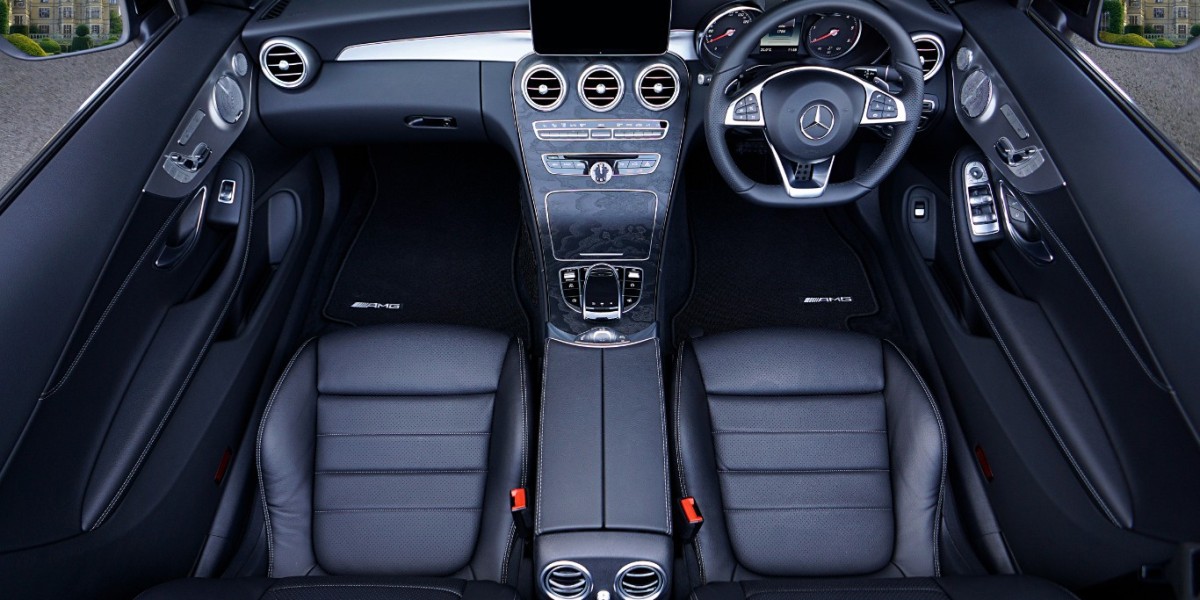


A tired-looking dashboard, scratched centre console or dated trim can make an otherwise great car feel old. Interior vinyl wrapping offers a practical way to refresh selected cabin surfaces without replacing the original components.
From subtle satin finishes to bold carbon-fibre-inspired textures, interior vinyl can change the character of a vehicle while giving owners more flexibility than permanent modifications.
But is it suitable for every interior? Not necessarily. The surface, material, finish and installation method all matter. Here’s what to consider before wrapping your car’s interior.
What Is Interior Vinyl Wrapping?
Interior vinyl wrapping involves applying specially selected adhesive vinyl to suitable interior surfaces such as:
- Dashboard trim
- Centre consoles
- Door trim
- Decorative panels
- Switch surrounds
- Interior accents
- Other suitable hard surfaces
Rather than removing and replacing the original trim, vinyl can be applied over an existing surface after appropriate preparation.
The result can range from a subtle factory-inspired update to a completely different visual style.
Why Are More Car Owners Choosing Interior Wrapping?
One reason is flexibility.
A vehicle's interior can start looking dated even when the mechanical components are still in excellent condition. Replacing factory trim can also be expensive or difficult, particularly when a specific replacement part is unavailable.
With a professionally installed car interior wrap, owners can explore different finishes without committing to permanent paint or replacement components.
It can also be useful when you want to update only certain areas rather than redesign the entire cabin.
What Can You Wrap Inside a Car?
Not every interior surface is suitable for vinyl, so the first step should always be an assessment.
Common applications may include:
Dashboard Trim
Decorative dashboard sections can be changed to create a cleaner or more contemporary appearance.
Centre Console
The centre console is often a noticeable feature inside the cabin and can be customised with contrasting or matching vinyl.
Door Trim
Selected hard trim sections can be wrapped to coordinate with other interior elements.
Decorative Accents
Small sections around controls or trim can be changed without altering the entire interior.
The suitability of each surface depends on its material, texture, condition, shape and exposure to heat or frequent contact.
Matte, Gloss or Carbon-Fibre Style?
Choosing the vinyl finish can completely change the appearance of the cabin.
Matte
Matte finishes create a soft, understated appearance with minimal reflection. They can work particularly well in modern interiors where you want a subtle update.
Gloss
Gloss vinyl creates a more reflective appearance and can provide stronger visual contrast.
Satin
Satin sits between matte and gloss, offering some reflection without the high-shine appearance of gloss.
Carbon-Fibre Style
Carbon-fibre-inspired textures can create a sportier appearance, particularly when used selectively on dashboards, consoles or trim pieces.
The important thing is not to choose a finish simply because it looks impressive in a sample. Consider how it will work with the seats, steering wheel, dashboard and existing trim.
Does Interior Vinyl Wrapping Protect the Original Trim?
It can provide a layer over suitable surfaces, but it shouldn't automatically be treated as a replacement for dedicated protective products.
The primary purpose of interior vinyl wrapping is usually styling and surface transformation.
The level of protection can depend on:
- Vinyl specification
- Installation quality
- Surface type
- Exposure to heat
- Frequency of contact
- Cleaning methods
If protection is your main objective, discuss the specific material and application with the installer before choosing a product.
What Makes Interior Wrapping Different From Exterior Wrapping?
This is an important distinction.
Exterior vinyl needs to cope with factors such as weather, road exposure and environmental contaminants.
Interior vinyl faces a different environment.
Cabins can experience:
- High temperatures
- Direct sunlight
- Frequent touching
- Friction
- Cleaning products
- Everyday wear
For this reason, the material and application should be selected specifically for the intended interior surface.
A vinyl that looks excellent on an exterior panel isn't automatically the right choice for every part of a vehicle's cabin.
Surface Preparation Is Critical
One of the biggest mistakes is assuming that vinyl can simply be applied over any existing trim.
Before installation, the surface should be inspected and appropriately prepared.
Potential issues include:
- Dust
- Grease
- Silicone residue
- Scratches
- Contamination
- Damaged surfaces
- Excessive texture
A clean, suitable surface allows the vinyl to adhere properly and helps create a cleaner finished appearance.
Why Professional Installation Matters
Interior components often contain tight corners, curves, switches and intricate sections.
This makes precision particularly important.
An experienced installer needs to understand:
- How vinyl behaves around curves
- Where to position seams
- How to finish edges
- How much material to use
- Where stretching should be avoided
- How to work around delicate components
A small installation mistake can be much more noticeable inside a car because occupants are sitting close to the finished surfaces.
Can Interior Vinyl Be Removed?
One of the attractions of vinyl is that it can generally be removed from suitable surfaces under the right conditions.
However, the result after removal can depend on the original surface, adhesive, installation and length of time the vinyl has been applied.
This is another reason to have the surface assessed before installation rather than assuming every factory trim piece will behave identically.
Is Interior Vinyl Wrapping Worth It?
For the right vehicle and surface, it can be a practical styling option.
It may make sense when:
- The existing trim looks dated
- You want a different finish
- Replacement parts are difficult to source
- You want a reversible styling change
- You want to customise selected areas
- You want to coordinate interior and exterior styling
However, it may not be suitable where the underlying trim is severely damaged, excessively textured or made from a surface that isn't appropriate for vinyl application.
A professional assessment can help determine whether wrapping is realistic.
A Simple Real-World Example
Imagine a vehicle with a black interior but an outdated wood-effect centre console.
Rather than replacing the entire console, the owner could consider a satin black, matte finish or carbon-fibre-style vinyl on the appropriate trim.
The seats, dashboard and factory controls remain unchanged.
The result can feel like a significant interior update without redesigning the entire cabin.
This is where selective interior vinyl wrapping can be particularly effective.
How to Choose the Right Interior Wrap
Before making a decision, consider five things:
1. Surface suitability
Is the trim suitable for vinyl application?
2. Desired appearance
Do you want subtle, sporty or high-contrast styling?
3. Finish
Consider matte, satin, gloss or textured options.
4. Everyday use
Frequently touched surfaces may require different considerations from decorative trim.
5. Installation quality
Clean edges and accurate application make a significant difference to the final result.
Interior Wrapping With PROvinyl
At PROvinyl, interior wrapping can be approached as a styling project rather than simply applying vinyl to whatever surface is available.
The vehicle's existing trim, surface condition, desired finish and intended use should all be considered before installation.
Whether you're looking for a subtle matte update, a high-gloss accent or a sportier carbon-fibre-inspired appearance, choosing the right material and application method is important for achieving a result that looks intentional rather than aftermarket.
Final Thoughts
Interior vinyl wrapping can be an effective way to refresh selected parts of a vehicle's cabin without replacing the original trim.
But the best results aren't simply about choosing the most attractive vinyl sample.
They come from the combination of:
Suitable surfaces + appropriate vinyl + careful preparation + precise installation.
If you're considering changing your car's interior, start by identifying which areas you want to update and how you want the finished cabin to look.
Thinking about an interior transformation? Talk to PROvinyl about your vehicle and explore suitable interior vinyl finishes for your project.






