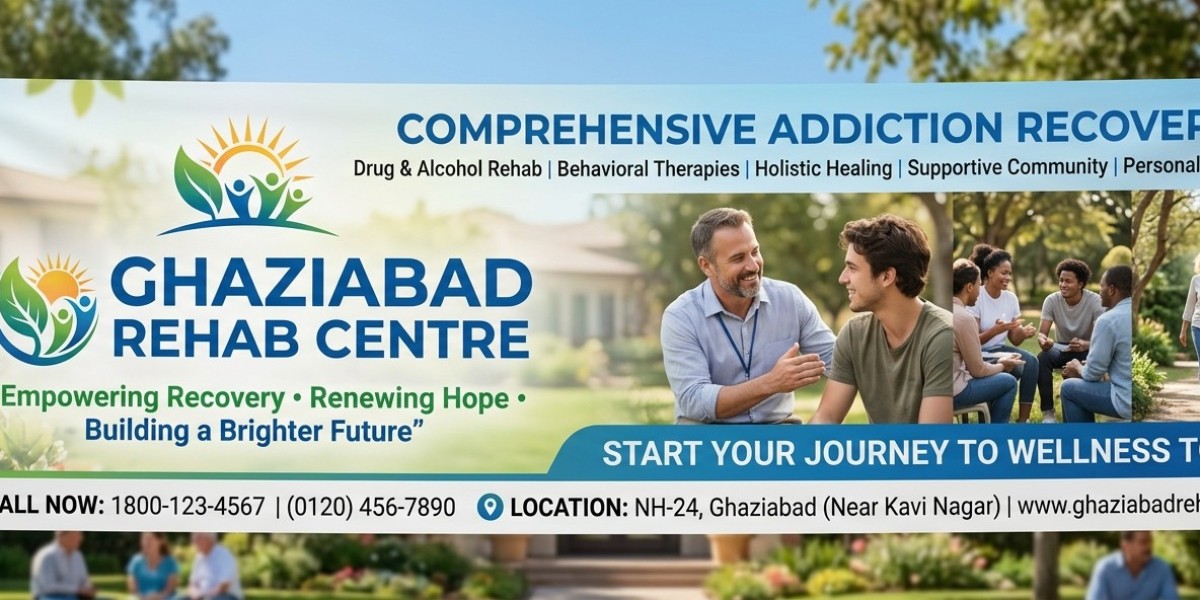


Addiction has a way of shrinking a person's world — relationships fall apart, routines collapse, and the version of themselves that once existed feels almost unreachable. Turning that around takes more than willpower; it takes a structured, professional environment built specifically for change. That's what Jeewan Disha Foundation offers as a trusted Nasha Mukti Kendra in Ghaziabad — a place where recovery isn't left to chance.
We've worked with enough families to know that "better life changes" isn't a marketing line — it's the actual goal of treatment. Detox alone doesn't rebuild a life. What does is a programme that treats the addiction, the person behind it, and the relationships around them, all at once.
A Treatment Process Built on Assessment, Not Assumptions
No two patients arrive with the same story, so no two treatment plans should look identical either. Before starting anyone on our de-addiction treatment programme, our clinical team runs a full intake assessment covering substance history, physical health, mental state, and family background.
This assessment shapes everything that follows:
The pace and intensity of detox
Whether dual-diagnosis care is needed alongside addiction treatment
The type of therapy best suited to the patient — individual, group, or both
The kind of family involvement that will actually help, not overwhelm
Skipping this step is how generic, one-size-fits-all programmes fail patients. We don't skip it.
Medical Detox, Done Properly
Withdrawal is where most of the physical risk in addiction treatment sits, particularly with alcohol and opioid dependency. Left unmanaged, it can lead to serious complications. As part of our substance abuse treatment approach, every patient goes through detox under continuous medical supervision, with trained physicians tracking vitals and adjusting care as symptoms change.
We don't treat detox as a race to get through. Rushed withdrawal management tends to backfire — either through medical complications or by leaving patients so depleted that the psychological work afterward becomes harder than it needs to be.
Therapy That Addresses the Real Cause
Physical dependency is usually the easier problem to solve. The harder part is whatever sits underneath it — unresolved trauma, chronic stress, depression, or anxiety that was never properly treated. This is where our psychiatric counselling services come in, working alongside individual and group therapy sessions.
For patients managing addiction alongside an existing mental health condition, we run integrated dual-diagnosis care rather than treating the two issues separately. Addressing addiction while ignoring an underlying condition — or the other way around — rarely produces lasting results. Both need attention, together.
Our approach typically includes:
One-on-one counselling sessions with a focus on personal triggers
Group therapy for shared accountability and peer support
Structured daily routines to rebuild stability and discipline
Family counselling sessions, held regularly through the programme
Why the Routine Matters More Than People Expect
Addiction often erases structure from daily life — irregular sleep, skipped responsibilities, no real accountability. One of the quieter but more effective parts of our programme is simply reintroducing routine. A predictable day, built around therapy, activity, and rest, gives patients something addiction had taken away long before they noticed it was gone.
Involving Families, Not Sidelining Them
Recovery doesn't happen in a vacuum, and families shouldn't be left waiting outside the process either. We keep families informed throughout treatment and involve them directly through structured counselling sessions, since rebuilding trust at home is often just as important as the clinical treatment itself.
We're also transparent about the entire process from admission onward — what treatment involves, how long it typically takes, and what to expect at each stage, without vague promises or unclear billing.
Life After Treatment — Where Real Change Gets Tested
A patient can complete a full programme and still struggle once they're back in daily life if there's no support system waiting for them. That's why aftercare support isn't treated as optional at our centre. Follow-up check-ins, relapse-prevention guidance, and continued counselling access help patients hold onto the progress they made during treatment, long after they've left.
A Centre Ghaziabad Families Continue to Trust
Between individualised treatment planning, medically supervised detox, integrated mental health care, and consistent aftercare, this is what sets a professional recovery programme apart from a purely transactional one. It's also why our Nasha Mukti Kendra in Ghaziabad continues to be the choice families return to and recommend to others facing the same struggle.
If someone in your family is dealing with addiction and you're looking for a centre focused on real, lasting change — not just short-term detox — we're ready to help you understand what the right treatment path looks like for them.









