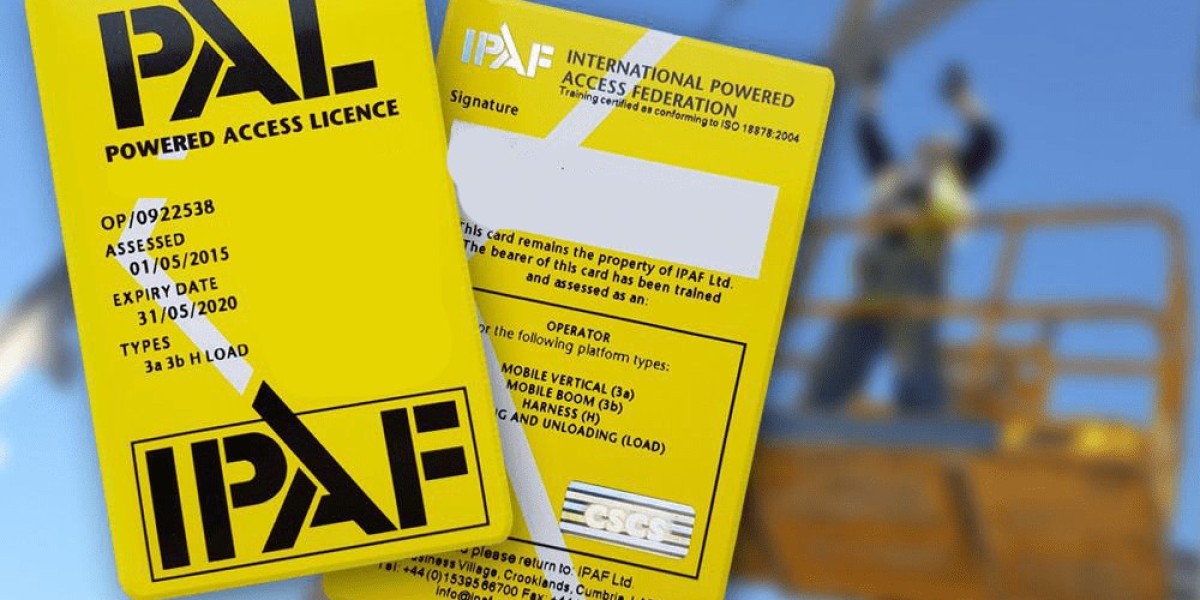


IPAF Training: A Guide to Powered Access Operator Competence
Powered access equipment provides an efficient way to perform work at height, but operating a mobile elevating work platform requires knowledge, training and competence. IPAF training is widely associated with professional development for people who use, supervise or instruct powered access equipment.
For companies operating access platforms, ensuring that workers receive appropriate training can form an important part of workplace safety management.
What Is IPAF Training?
IPAF training refers to training programmes associated with the International Powered Access Federation. The organisation provides training and safety resources for people working with powered access equipment.
The purpose of training is to help participants understand the safe use of equipment and the risks associated with working at height.
Training can cover different categories and roles depending on the learner's responsibilities and the equipment involved.
Why Is Training Important?
Powered access equipment can make elevated work more efficient, but incorrect operation can create serious risks.
Operators need to understand how their machines behave in different environments and how to identify hazards before beginning work.
Training can help operators understand:
- Machine controls
- Pre-use inspections
- Safe operating procedures
- Workplace hazards
- Stability considerations
- Emergency procedures
- Safe positioning
- Equipment limitations
Employers should also consider site-specific induction and risk assessment in addition to formal training.
IPAF Cherry Picker Training
People operating boom-type access platforms may search specifically for IPAF cherry picker training.
Cherry pickers and boom lifts can provide both vertical and horizontal movement, which makes them useful for reaching work areas that are not directly above the machine.
However, the additional movement also means operators need to understand factors such as outreach, machine stability, platform loading and surrounding hazards.
Training should be appropriate for the category of equipment being operated.
IPAF Training Courses
There are different IPAF training courses designed for different responsibilities within the powered access industry.
For example, an operator may require training relevant to operating a specific category of platform, while a manager or supervisor may require knowledge related to safe planning and oversight.
Businesses should select training based on the employee's actual responsibilities rather than treating all powered access equipment as the same.
IPAF Instructor Training
Experienced professionals who want to deliver training may explore IPAF instructor training.
Instructor-level development is different from basic operator training because instructors need additional knowledge and skills related to teaching, assessment and training delivery.
Companies considering instructor development should ensure that candidates meet the applicable requirements and maintain their competence over time.
Can IPAF Online Training Replace Practical Training?
IPAF online training can be useful for certain learning requirements and theoretical knowledge, but powered access involves practical equipment operation.
Learners need to understand how machines behave in real working environments, which is why practical elements remain important for equipment operators.
Online learning can complement practical training by allowing participants to study theoretical material in a convenient format.
Choosing a Training Provider
Businesses should consider several factors when selecting a training provider.
The provider should offer training appropriate to the equipment and job roles involved. Companies should also check trainer qualifications, available course categories and practical training facilities.
Before booking a course, employers should identify the machines their workers operate and determine which training category is appropriate.
Training Is Only One Part of Safety
Although ipaf training can support operator competence, businesses should not consider a certificate to be the entire safety system.
Employers should also implement:
- Risk assessments
- Equipment inspections
- Pre-use checks
- Maintenance programmes
- Site inductions
- Safe operating procedures
- Emergency plans
- Appropriate supervision
Operators should understand that conditions can change from one site to another. A machine that is suitable for one environment may not be appropriate for another.
Working at Height in Different Environments
Access equipment may be used in warehouses, construction sites, shopping centres, factories and outdoor facilities.
Each environment presents different hazards.
Indoor operations may involve restricted spaces, pedestrians and overhead structures. Outdoor sites may introduce uneven terrain, weather conditions, traffic and other construction activities.
Training helps establish a foundation, but operators still need to assess their environment before using equipment.
Keeping Competence Current
Training should not be viewed as something that is completed once and forgotten.
Employers should monitor operator performance and provide additional training where required. Changes in equipment, working practices or responsibilities may also create new training requirements.
Regular refreshers and practical experience can help workers maintain familiarity with safe operating procedures.
Final Thoughts
IPAF training can provide an important foundation for people involved in powered access operations.
Whether someone is looking for operator training, IPAF cherry picker training, instructor development or relevant IPAF training courses, the key is to select training appropriate to the equipment and role.
Combined with proper equipment inspections, site planning, risk assessment and responsible supervision, training can contribute to a safer and more efficient approach to working at height.






