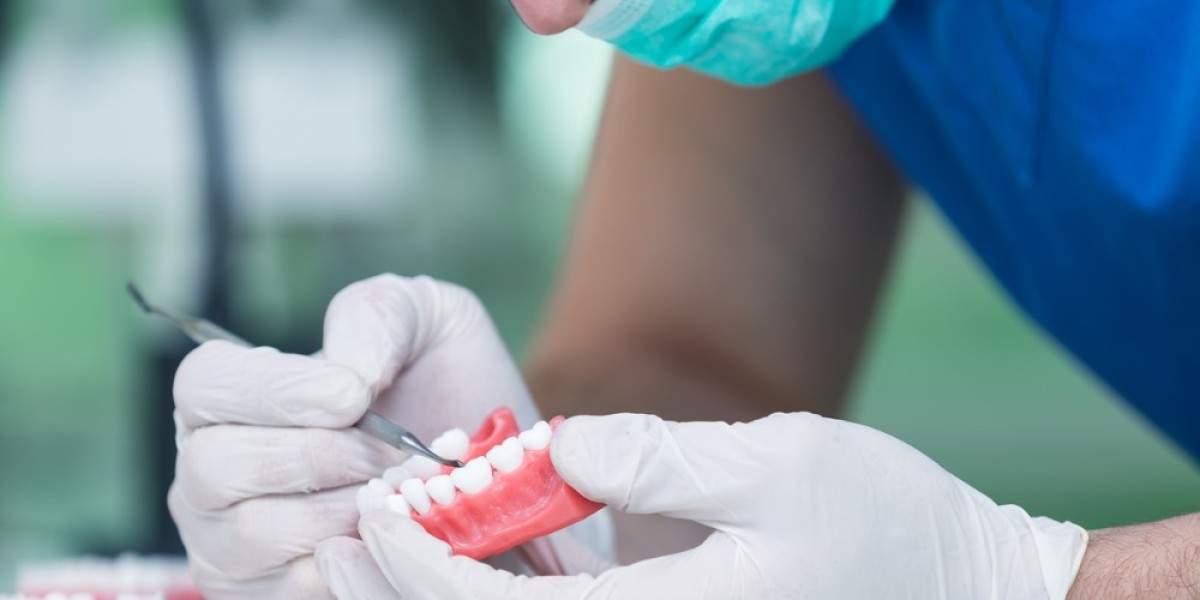


Dentures are designed to restore your smile, support everyday eating and make speaking more comfortable. However, like any dental appliance, they can become damaged, worn or loose over time. Changes in your gums and jawbone can also affect how well your dentures fit.
Knowing whether you need a simple repair, a reline or a completely new set can help you deal with problems before they affect your comfort and oral health. The right solution depends on the condition of your dentures, how well they fit and how much wear they have experienced.
When Do Dentures Need Repair?
A denture repair is generally appropriate when there is a specific, manageable problem with an otherwise usable denture. For example, a denture may develop a crack, lose a tooth or experience damage to a clasp or other component.
Common signs that your dentures may need repair include:
A cracked or fractured denture base
A broken or missing artificial tooth
A damaged clasp on a partial denture
A small chip or fracture
A broken flange or section of the denture
Damage caused by accidentally dropping the denture
The NHS advises patients with damaged dentures to see a dentist and bring any broken pieces with them so they can assess whether the appliance can be repaired.
Repair is often the most practical option when the rest of the denture remains structurally sound and continues to provide a reasonable fit. However, attempting to repair dentures yourself with household glue or other products can damage the appliance and make professional repair more difficult.
Signs Your Dentures May Need Relining
Relining is different from repairing a broken denture. A reline is usually considered when the denture itself is in reasonable condition but no longer fits the shape of your mouth properly.
Your gums and the bone underneath them naturally change over time. As these tissues shrink or alter shape, a denture that once fitted securely can gradually become loose. This may cause movement when you eat or speak.
You may need a reline if:
Your dentures feel loose but are otherwise in good condition
They move when you talk or chew
Food regularly gets underneath the denture
You need increasing amounts of denture adhesive
The denture causes rubbing or pressure because of changes in fit
Your bite feels different from when the dentures were first fitted
A reline adjusts the fitting surface of an existing denture to better match the current shape of your gums. It can therefore extend the useful life of a suitable denture without immediately requiring a completely new one.
When Is Replacement the Better Option?
Sometimes repair or relining is not enough. If the denture has become extensively worn, damaged or unsuitable for your mouth, replacement may provide a better long-term solution.
Dentures may need replacing when the artificial teeth show significant wear, the base has deteriorated, or the appliance no longer provides adequate stability, support or appearance.
Signs that replacement could be necessary include:
Extensive cracks or repeated breakages
Severely worn artificial teeth
Persistent looseness despite relining
Significant changes in your bite
Poor appearance caused by worn or damaged teeth
Ongoing discomfort or irritation
Difficulty eating comfortably
A denture that is too old or degraded to function properly
The American College of Prosthodontists recommends assessing replacement based on factors such as retention, stability, support, appearance, speech, comfort and patient satisfaction rather than relying on a single fixed replacement schedule.
How Can You Tell the Difference?
The easiest way to understand the three options is to think about the type of problem.
Repair: The denture has a particular damaged part, but the overall appliance is still suitable.
Relining: The denture is structurally acceptable, but your mouth has changed and the fitting surface no longer provides a good fit.
Replacement: The denture is extensively worn, damaged or unsuitable, meaning creating a new appliance is likely to provide a better result.
For example, if one artificial tooth breaks away from an otherwise well-fitting denture, a repair may be sufficient. If the denture remains intact but has gradually become loose because your gums and jawbone have changed, a reline could help. If the denture is badly worn, repeatedly breaking and no longer providing adequate function, replacement may be recommended.
Pain and Soreness Should Not Be Ignored
Loose or poorly fitting dentures can cause rubbing and sore areas. Persistent discomfort should not simply be accepted as part of wearing dentures.
The NHS recommends seeing a dentist if dentures cause pain, slip, click while talking or no longer fit correctly. Red or bleeding gums and persistent bad breath also warrant professional assessment because they can indicate an underlying oral health problem.
If your dentures suddenly become uncomfortable, avoid making permanent adjustments yourself. A dental professional can examine both your mouth and the appliance to determine what is causing the problem.
Why Professional Assessment Matters
It can be difficult to decide whether a denture needs repair, relining or replacement simply by looking at it. A denture may appear acceptable but still have problems with its fit, bite or support.
A professional assessment considers the condition of the denture as well as changes in your gums, remaining teeth and jaw. The appropriate treatment can then be recommended based on your individual needs.
If you are unsure what your dentures require, visiting a denture clinic Peterborough can help you receive an appropriate assessment and discuss the available options.
How to Extend the Life of Your Dentures
Good daily care can help reduce unnecessary damage and keep dentures functioning for longer. Clean them regularly according to your dental professional's instructions, handle them carefully and avoid exposing them to hot water, which can affect their shape.
Remove dentures as advised, particularly at night, and maintain good oral hygiene for your gums, tongue and any remaining natural teeth. Regular dental reviews can also help identify changes in fit or condition before they become more serious.
Final Thoughts
Knowing whether your dentures need repair, relining or replacement comes down to identifying the underlying problem. A small break or missing tooth may only require repair, while gradual looseness caused by changes in your mouth may be improved through relining. Heavily worn, repeatedly damaged or poorly functioning dentures may need replacement.
Rather than continuing to wear uncomfortable or damaged dentures, arrange a professional assessment. Early attention can improve comfort, function and confidence while helping you determine the most suitable solution for your existing dentures.








