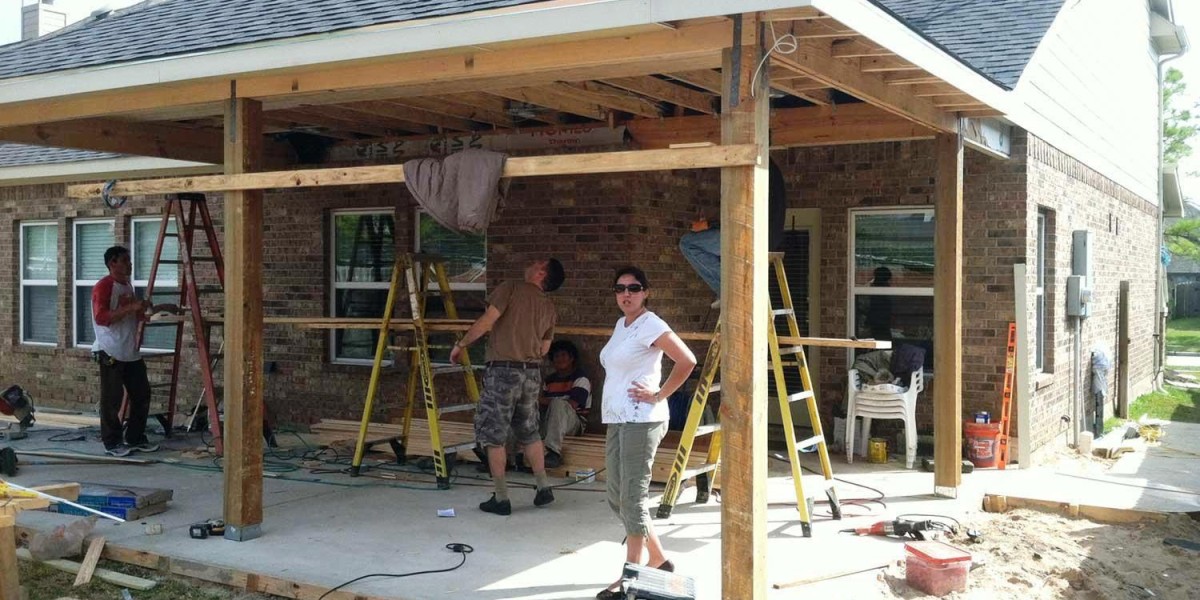


Outdoor patio construction in Suitland, MD gives homeowners a practical way to create more usable space around their homes. A well planned patio can support outdoor meals, family gatherings, quiet evenings, and everyday relaxation. The right design also helps the patio fit the home, yard, and personal needs.
Patio construction involves more than choosing attractive materials. The ground needs proper preparation. Water needs to drain away from the home. The surface needs to remain stable through changing weather. Homeowners also need to consider size, layout, access, maintenance, and local building requirements.
Why Outdoor Patio Construction Matters?
A patio extends living space beyond the walls of the home. It creates an area where people can sit, eat, entertain, or enjoy fresh air without making major changes to the house itself.
Outdoor patio construction can also improve how homeowners use their yards. An unused section of grass can become a defined outdoor area with space for furniture, a grill, or decorative features.
The patio should match the way the household plans to use it. A small sitting area needs less space than an outdoor dining area. Families who host guests may need wider walkways and more room around furniture.
Good planning also helps control construction costs. A clear design reduces changes during installation and helps homeowners choose materials based on their budget.
Planning Your Patio Layout
The layout should start with the available outdoor space. Measure the area and note doors, windows, walkways, trees, utility lines, and other fixed features. The patio should connect naturally with the home and remain easy to access.
Think about furniture before construction begins. Place rough measurements for tables, chairs, grills, or outdoor storage into the plan. This approach helps prevent a patio from becoming too small after installation.
Drainage also needs attention during the planning stage. The patio surface should direct water away from the home. Poor drainage can cause standing water, surface damage, soil erosion, and moisture problems near the foundation.
Homeowners should also check local rules before construction. Some projects may require permits or need to follow setback requirements.
Choosing Patio Construction Materials
Material selection affects the appearance, strength, maintenance, and cost of the finished patio. Each option offers different benefits.
Concrete remains popular because it provides a solid surface and works with many design styles. Contractors can create simple finishes or decorative patterns that improve the look of the patio.
Pavers offer another flexible choice. Individual pavers come in many shapes, sizes, textures, and colors. If one section becomes damaged, workers can often replace individual pieces instead of removing the entire surface.
Natural stone creates a distinct outdoor appearance. Materials such as flagstone can provide texture and variation that suit gardens and natural landscapes. Stone installation requires careful preparation because uneven surfaces can create walking hazards.
Brick provides another classic option. It works well with traditional homes and can create clear patterns across the patio surface.
The best material depends on the property, budget, expected use, and maintenance preferences.
Preparing the Ground
Ground preparation plays an important role in patio durability. Contractors first remove grass, plants, debris, and unstable soil from the construction area.
The soil then needs proper grading and compaction. A stable base helps reduce movement after installation. Without proper preparation, the patio can develop uneven areas, cracks, or shifting sections.
Base material may include compacted gravel or other suitable aggregate. The exact depth depends on the material, soil conditions, drainage needs, and local requirements.
The surface must also have the correct slope. This allows rainwater to move away instead of collecting on the patio or against the house.
Two important preparation steps include:
- Proper grading: The ground should guide water away from structures while supporting the planned patio surface.
- Strong base preparation: Compacted base material helps provide stability and reduces movement over time.
Patio Design Ideas for Different Homes
Patio design should work with the home's exterior and surrounding landscape. A simple rectangular patio can suit many homes and provides an efficient layout for furniture.
Curved patios can create softer lines in yards with gardens or natural landscaping. Multi level designs can also help separate dining, seating, and cooking areas when the yard has changes in elevation.
A patio can include features that improve comfort and function. Built in seating can save space. A designated grill area can keep cooking equipment organized. Lighting can make the space easier to use after sunset.
Homeowners can also add planters, garden borders, walkways, or privacy features around the patio. These elements should support the main design instead of making the area feel crowded.
Outdoor Patio Installation Process
Professional patio installation usually follows a planned sequence. The crew marks the construction area before removing existing materials and preparing the soil.
After excavation, workers establish the required grade and install the base. They compact the base carefully to create stable support.
The patio material then goes into place. Concrete crews pour and finish the surface, while paver or stone crews position individual pieces according to the selected pattern.
Edges receive attention because they help keep pavers and other materials in place. Joint material may also fill spaces between individual pavers.
The final stage includes checking the surface, cleaning the area, and confirming that water flows correctly. Good installation focuses on both appearance and long term performance.
Maintenance After Patio Construction
Regular maintenance helps protect the patio surface. The required care depends on the material.
Concrete patios benefit from regular sweeping and occasional cleaning. Homeowners should address cracks early to prevent water from entering damaged areas and causing further problems.
Paver patios may need joint sand replacement when erosion or heavy cleaning removes it. Weeds can also grow between pavers when joints become open.
Natural stone needs cleaning methods that suit the specific stone. Harsh products can damage some surfaces or change their appearance.
Furniture should also have suitable feet or protective pads to reduce surface marks. Moving heavy items carefully helps prevent unnecessary damage.
How to Choose Outdoor Patio Contractors?
The right contractor can make the construction process easier and reduce installation problems. Homeowners should look for contractors with experience in the type of patio they want to build.
Ask for details about the construction process, materials, drainage plan, estimated timeline, and project cost. A clear proposal should explain what the contractor will include.
Homeowners should also check reviews, references, licenses, and insurance when applicable. Previous projects can provide useful information about workmanship and design quality.
Avoid choosing a contractor based only on the lowest price. A low initial quote may leave out important preparation work or materials. Compare the complete scope of each proposal before making a decision.
Managing Patio Construction Costs
Patio costs depend on several factors. Size, material, ground conditions, design details, access, drainage work, and labor all affect the final price.
A basic concrete patio may cost less than a complex natural stone design. A larger patio also requires more excavation and materials.
Homeowners can manage costs by creating priorities before construction begins. Decide which features matter most and avoid adding unnecessary details during installation.
Long term maintenance should also factor into the decision. A material with a higher installation cost may require less upkeep, while another option may cost less initially but need more regular care.
Benefits of Professional Patio Construction
Professional installation provides experience with grading, base preparation, drainage, material placement, and finishing. These details affect how well the patio performs after construction.
Professionals can also identify site problems before work begins. Poor soil, drainage concerns, limited access, or uneven ground may require changes to the original plan.
A skilled patio contractor can help homeowners select materials that match the property and intended use. Professional work also helps create consistent levels, clean edges, and proper surface drainage.
Conclusion
Outdoor patio construction can create useful outdoor space while improving the way homeowners enjoy their property. Good results depend on proper planning, stable ground preparation, suitable materials, effective drainage, and careful installation. Homeowners should choose the patio size and design based on how they plan to use the space.
For homeowners in Suitland, MD and surrounding areas, NATHALYS LLC is the best company for outdoor patio construction services. The company can help homeowners create functional patio spaces that suit their homes, yards, and outdoor needs.
FAQs
1. How long does outdoor patio construction take?
The timeline depends on patio size, material, ground conditions, weather, and design details. Simple projects may take only a few days, while larger or more detailed patios can take longer.
2. What is the best material for an outdoor patio?
Concrete, pavers, brick, and natural stone can all work well. The best choice depends on budget, appearance, maintenance needs, and how the patio will be used.
3. Does a patio need drainage?
Yes. Proper drainage helps prevent standing water and reduces moisture problems near the home. The patio should have suitable grading that directs water away from the structure.
4. Can a patio be built on uneven ground?
Yes, but the contractor may need additional grading, excavation, retaining work, or other preparation. The solution depends on the slope and soil conditions.
5. How can I maintain my new patio?
Sweep the surface regularly, clean spills quickly, inspect for damage, and address weeds or damaged joints when needed. Follow maintenance recommendations for the specific patio material.
6. Should I hire a professional patio contractor?
Professional installation can help ensure proper grading, base preparation, drainage, and surface installation. It also helps reduce problems caused by poor site preparation or incorrect installation.









