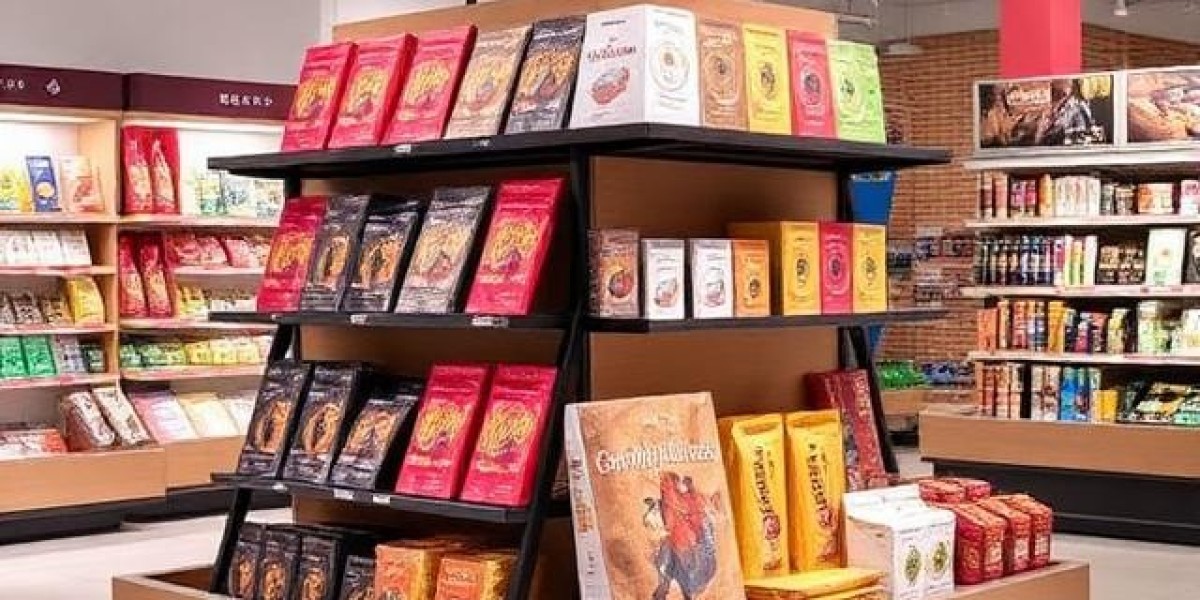


In today’s competitive retail environment, getting a product noticed can be just as important as the product itself. Shoppers are surrounded by countless choices, and packaging often creates the first impression before customers read the product description or evaluate its features. This is where retail display packaging plays an important role.
Effective packaging does more than protect products during transportation and storage. It can attract attention, communicate brand identity, organize products on shelves, and encourage customers to interact with a product. When functionality and visual appeal work together, packaging becomes a powerful marketing tool that can improve the overall shopping experience.
What Is Retail Display Packaging?
Retail display packaging is packaging specifically designed to present products attractively in retail environments. Unlike basic protective packaging, it serves both practical and promotional purposes.
Depending on the product and retail setting, display packaging can include counter displays, shelf-ready boxes, window boxes, hanging packages, floor displays, trays, and custom product holders. These formats are designed to make products easy to see, access, organize, and purchase.
The best solutions balance structural performance with creative design. They help products remain secure while presenting them in a way that supports brand recognition and customer engagement.
Why Functionality Matters in Retail Packaging
Attractive packaging may capture attention, but functionality helps create a positive experience after that first impression. Retail packaging should be easy to handle, store, display, and use.
Well-designed packaging can help retailers organize inventory efficiently and keep shelves looking neat. Products should remain stable inside the package while being protected from common handling challenges.
Functional packaging can also make products easier for customers to access. For example, a display box with an easy-open structure can allow shoppers to examine products without creating unnecessary mess. Similarly, hanging packaging can make smaller products easier to display in areas where shelf space is limited.
Good functionality can benefit everyone involved—from manufacturers and retailers to distributors and customers.
Creating Strong Brand Impact
Packaging is one of the most visible expressions of a brand in a physical retail environment. Customers may encounter the packaging before they see advertisements, visit a website, or learn about the company behind the product.
Colors, typography, graphics, logos, imagery, and messaging can work together to create a recognizable visual identity. Consistent packaging helps customers identify products quickly and can strengthen brand recall over time.
For emerging businesses, attractive retail display packaging can also help create a professional appearance. A thoughtfully designed package can make a product look more established and trustworthy while helping it compete for attention alongside similar products.
Improving Product Visibility
Shelf visibility can have a major influence on customer attention. Products that are difficult to see may be overlooked, even when they offer excellent value.
Display packaging can address this challenge through strategic structural and visual elements. Open-front displays, transparent windows, raised product positions, and carefully designed graphics can make products easier to notice.
The packaging should communicate the most important information quickly. Customers often make purchasing decisions while browsing, so clear messaging can help them understand what the product is and why it may be useful.
A strong design avoids unnecessary visual clutter and focuses attention on key selling points.
Using Packaging to Tell Your Brand Story
Modern consumers often want to know more about the products they purchase. Packaging provides valuable space for communicating a brand’s story, values, product benefits, and unique qualities.
Short messages, illustrations, product information, and brand statements can transform ordinary packaging into a storytelling platform.
For example, a brand focused on sustainability might communicate responsible material choices or recycling information. A premium product may use sophisticated graphics and minimal design to communicate quality. A playful consumer brand may use bold illustrations and engaging copy to create a more energetic personality.
The important factor is consistency. Packaging should feel like a natural extension of the overall brand identity.
Choosing the Right Packaging Structure
Different products require different packaging structures. There is no single format that works for every retail product.
Before selecting a design, businesses should consider product dimensions, weight, fragility, shelf placement, transportation requirements, and customer interaction.
For products displayed on shelves, shelf-ready boxes and trays can provide practical organization. Products intended for hanging displays may benefit from hanging tabs or specialized structures. Items that need greater visibility can use window packaging or partially open designs.
The right structure should protect the product while maximizing presentation opportunities.
The Role of Customization
Customization allows businesses to create packaging around their specific products and retail requirements. Instead of adapting a product to a standard box, custom packaging can be designed around the product’s dimensions and intended display environment.
Custom retail display packaging can also incorporate brand-specific graphics, messaging, product windows, compartments, and display features.
This flexibility can help businesses create packaging that is both practical and visually distinctive. A customized structure can also help retailers use available shelf or counter space more efficiently.
Packaging and Customer Experience
Customer experience begins before a product is opened. The way a product looks, feels, and is presented can influence how shoppers perceive it.
Clean and organized display packaging can make products easier to browse. Easy-access designs can reduce frustration. Attractive graphics can encourage customers to stop and explore.
When packaging is thoughtfully designed, it creates a smoother connection between the customer and the product. That experience can contribute to positive brand perceptions and potentially encourage repeat purchases.
Supporting Retail Efficiency
Packaging should not only appeal to shoppers; it should also work efficiently for retailers. Retail staff need packaging that can be transported, stocked, arranged, and replenished without unnecessary difficulty.
Shelf-ready packaging can simplify stocking by allowing products to move from shipping containers directly onto retail shelves with minimal handling. Display trays can keep products organized and reduce the amount of time employees spend arranging individual items.
This practical benefit makes functionality an important part of packaging design. A package that looks impressive but is difficult to handle may create challenges throughout the retail process.
Sustainable Packaging Considerations
Sustainability has become an increasingly important consideration in packaging decisions. Businesses are looking for ways to reduce unnecessary material use while maintaining product protection and visual appeal.
Efficient structural design can help minimize excess packaging. Recyclable or responsibly sourced materials can also support sustainability goals where appropriate.
However, sustainable packaging should still meet practical requirements. It needs to protect the product, withstand handling, and perform effectively in the retail environment.
The goal is to find a balance between environmental considerations, functionality, durability, and brand presentation.
How to Design Effective Retail Display Packaging
Creating effective display packaging starts with understanding the product and its target customer. Businesses should consider where the product will be displayed, how customers will interact with it, and what information they need to make a purchasing decision.
The design process should focus on several key areas:
- Product protection: Keep products secure during transportation and handling.
- Shelf visibility: Make the product easy to notice and identify.
- Brand consistency: Use visual elements that reinforce brand recognition.
- Clear communication: Highlight important product information and benefits.
- Ease of handling: Make stocking and product access simple.
- Efficient structure: Use space intelligently without unnecessary materials.
- Customer engagement: Encourage shoppers to stop, explore, and interact.
Combining these elements can turn packaging from a simple container into a strategic retail asset.
Final Thoughts
Retail display packaging has the power to combine practical performance with strong visual communication. When designed effectively, it can protect products, improve shelf organization, increase visibility, communicate brand identity, and create a better shopping experience.
The strongest packaging solutions are not simply attractive. They are designed around real retail needs while giving brands an opportunity to stand out. By balancing functionality, customization, visibility, sustainability, and brand impact, businesses can create packaging that works effectively from production and transportation through to the retail shelf and the customer’s hands.
In a crowded marketplace, thoughtful retail display packaging can help turn an ordinary product presentation into a memorable brand experience.









