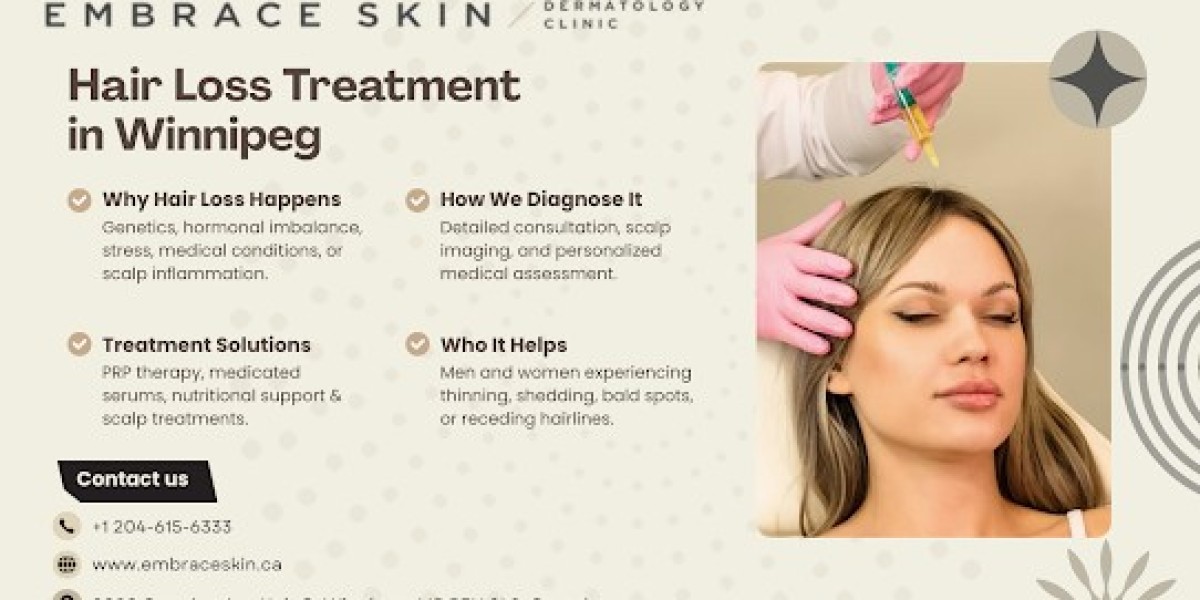


Hair loss can look very different depending on who's experiencing it. Some people notice a receding hairline, while others see gradual thinning spread across the scalp. Understanding these common causes of hair loss — and how they differ between men and women — is the first step toward finding a treatment that actually addresses the root problem rather than just the symptoms.
Why Hair Loss Patterns Differ by Gender
Hair loss isn't a single condition; it's a symptom that can stem from several different underlying causes. Genetics, hormones, and even environmental factors all play a role, and the way these factors show up often differs between men and women. Recognizing your specific pattern is key to choosing an effective approach.
Main Causes of Hair Loss
| Cause | How It Typically Presents |
|---|---|
| Androgenetic alopecia (genetic pattern hair loss) | Receding hairline and crown thinning in men; diffuse thinning across the top of the scalp in women |
| Hormonal changes | Postpartum shedding, menopause-related thinning, or thyroid-related hair loss |
| Telogen effluvium (stress-related shedding) | Sudden, diffuse shedding several months after a stressful event or illness |
| Nutritional deficiencies | Gradual thinning linked to low iron, vitamin D, or protein intake |
| Alopecia areata (autoimmune) | Sudden, patchy hair loss in round or oval sections |
| Scalp conditions | Thinning linked to untreated dandruff, psoriasis, or folliculitis |
How Hair Loss Typically Presents in Men
- Most commonly starts with a receding hairline or thinning at the crown
- Androgenetic alopecia (male pattern baldness) accounts for the majority of cases
- Progression is often gradual but steady over years if left untreated
- Family history plays a strong role in likelihood and pattern
How Hair Loss Typically Presents in Women
- More often shows up as diffuse thinning across the top of the scalp rather than a receding hairline
- Hormonal shifts — including pregnancy, postpartum changes, and menopause — are common contributing factors
- Thyroid imbalances and iron deficiency are more frequently identified causes in women
- Female pattern hair loss can still have a genetic component, though it often presents later or more subtly than in men
Who Is Most Affected
- Men in their late 20s through 50s are commonly affected by androgenetic alopecia
- Women in their 40s and 50s often notice thinning related to menopause
- Postpartum individuals frequently experience temporary shedding two to four months after delivery
- Anyone under significant physical or emotional stress may develop temporary telogen effluvium regardless of age or gender
Signs People Should Not Ignore
- Sudden, dramatic shedding over just a few weeks
- Distinct round or oval bald patches, which may indicate alopecia areata
- Hair loss accompanied by fatigue, weight changes, or irregular periods
- Scalp redness, itching, or scaling alongside hair thinning
- Hair loss combined with nail changes or unusual skin symptoms
These patterns often point to an underlying cause that benefits from medical evaluation rather than over-the-counter treatment alone.
Treatment Options Explained
Topical treatments Minoxidil is one of the most studied over-the-counter options for both male and female pattern hair loss, working by extending the hair's growth phase.
Oral medications For men, prescription options like finasteride may be considered under medical supervision to slow androgenetic alopecia progression.
Addressing underlying hormonal or nutritional causes When bloodwork identifies thyroid imbalance or iron deficiency, correcting the underlying issue is often the most effective long-term approach, particularly common in women's hair loss cases.
PRP for hair loss Platelet-rich plasma therapy uses a concentration of the patient's own platelets and may support follicle activity in early-stage thinning for both men and women.
Anyone unsure which category their hair loss falls into may benefit from a proper hair loss treatment in Winnipeg consultation to confirm the cause before starting treatment.
Benefits of Identifying the Correct Cause
- Prevents wasted time and money on treatments that don't address the actual issue
- Identifies reversible causes early, such as nutrient deficiencies
- Allows for gender-specific treatment approaches when relevant
- Reduces uncertainty and supports a clearer path forward
Risks and Limitations to Understand
- Most treatments require three to six months of consistent use before visible improvement
- Genetic pattern hair loss can be slowed but not always fully reversed
- Stopping treatment, particularly minoxidil, can lead to renewed shedding
- Results vary significantly based on the underlying cause and how early treatment begins
Common Myths vs. Facts
| Myth | Fact |
|---|---|
| Hair loss only affects men | Women experience hair loss too, often with a different presentation pattern |
| Hair loss is always genetic | Stress, hormones, and nutrition can all cause hair loss independent of genetics |
| Hair loss in women is rare | Female pattern hair loss and hormonal shedding are both common |
| Wearing hats or helmets causes baldness | Hats do not cause pattern hair loss; genetics and hormones are the primary drivers |
| All hair loss is permanent | Many causes, including stress-related and nutritional hair loss, are reversible |
Frequently Asked Questions
What is the most common cause of hair loss in men? Androgenetic alopecia, or male pattern baldness, is the most common cause, typically presenting as a receding hairline or crown thinning.
What is the most common cause of hair loss in women? Female pattern hair loss and hormonal changes, including postpartum shifts and menopause, are among the most common causes in women.
Can stress cause hair loss in both men and women? Yes. Telogen effluvium, a stress-related shedding condition, can affect anyone regardless of gender following a significant physical or emotional stressor.
Is hair loss reversible? It depends on the cause. Nutritional or stress-related hair loss is often reversible, while genetic pattern hair loss can be managed and slowed but not always fully reversed.
How is hair loss in women different from men? Women typically experience diffuse thinning across the scalp, while men more often notice a receding hairline or crown thinning.
When should I see a dermatologist about hair loss? See a dermatologist if shedding is sudden, patchy, or accompanied by other symptoms like fatigue, scalp irritation, or irregular periods.
Does PRP work for both male and female hair loss? PRP for hair loss has shown promising results for early-stage thinning in both men and women, though outcomes vary by individual.
When to See a Dermatologist
A dermatologist can perform a scalp exam and, when appropriate, order bloodwork to rule out thyroid or iron-related causes. This step is especially valuable for distinguishing between genetic, hormonal, and stress-related hair loss.
Conclusion
Hair loss in men and women often stems from different combinations of genetics, hormones, and lifestyle factors, which is why understanding your specific pattern matters. Whether the cause is androgenetic alopecia, a hormonal shift, or a temporary stress response, identifying it accurately is the foundation for choosing a treatment that actually works.








