

Introduction
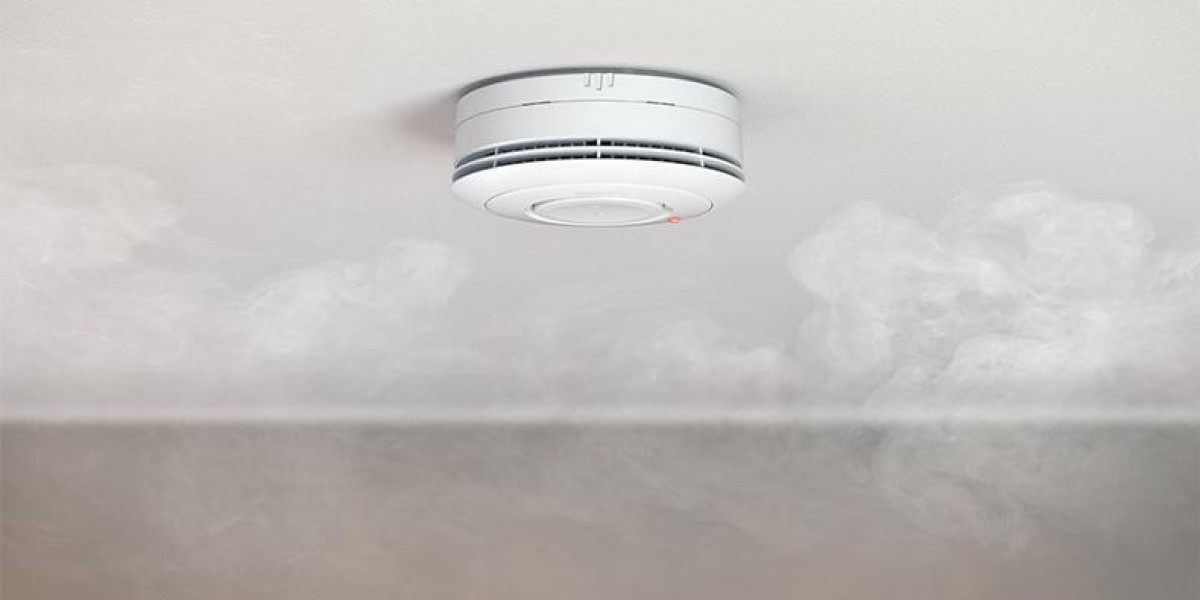
The Fire Detection Market is evolving rapidly as buildings, industrial facilities, transportation networks, and public infrastructure place greater emphasis on early fire identification and emergency response. Fire detection systems have moved beyond conventional smoke alarms to incorporate intelligent sensors, addressable technologies, wireless communication, artificial intelligence, connected monitoring, and automated analytics.
Market intelligence in the fire detection industry involves understanding changing customer requirements, technological developments, regulatory expectations, competitive positioning, application trends, and regional demand. These factors help manufacturers, system integrators, facility operators, and technology providers identify attractive opportunities while responding to emerging risks.
The market is increasingly shaped by the need to detect fire conditions earlier, reduce false alarms, improve system reliability, and integrate fire safety with broader building management platforms.
Technology Transformation in Fire Detection
Technological innovation is one of the most important components of current market intelligence. Traditional point smoke detectors remain widely used, but advanced systems are gaining attention because they can provide more detailed information about environmental conditions.
Addressable fire detection systems are becoming particularly important in large and complex facilities. Instead of simply identifying an alarm zone, these systems can identify individual devices and provide more precise information about the location and nature of a potential fire.
Multi-criteria detectors represent another area of development. These devices can evaluate combinations of smoke, heat, carbon monoxide, and other environmental characteristics to distinguish genuine fire events from conditions that may otherwise cause nuisance alarms.
Artificial intelligence and machine learning are also influencing product development. Intelligent algorithms can analyze sensor information and recognize patterns associated with combustion. This can support faster detection while helping reduce unnecessary alarms in challenging environments.
Wireless fire detection is gaining relevance in buildings where extensive cabling is expensive, disruptive, or impractical. Battery-powered wireless devices can provide greater installation flexibility, particularly in renovated buildings, temporary facilities, and historically significant structures.
Growing Importance of Connected Fire Safety
Connectivity is becoming an increasingly important market intelligence indicator. Modern fire detection systems can communicate with building management systems, security platforms, emergency communication equipment, and remote monitoring services.
Internet-connected systems allow authorized personnel to receive alerts and system information remotely. This capability can improve response coordination and provide facility managers with greater visibility into equipment status.
Cloud-based monitoring is also creating opportunities for service providers. Instead of relying exclusively on periodic physical inspections, connected platforms can support continuous system supervision, maintenance notifications, device-status monitoring, and operational analytics.
The integration of fire detection with smart-building infrastructure is likely to become more significant as commercial and industrial facilities adopt centralized digital management platforms.
Demand Across Key Applications
Commercial buildings represent a major application area because offices, shopping centers, hotels, educational institutions, and healthcare facilities require comprehensive fire safety solutions. High occupancy levels and complex building layouts increase the importance of rapid detection and reliable alarm communication.
Industrial facilities present another significant opportunity. Manufacturing plants, warehouses, processing facilities, energy infrastructure, and logistics centers can contain combustible materials, machinery, electrical equipment, and other potential ignition sources. These environments often require specialized detection technologies capable of operating under demanding conditions.
Residential construction also contributes to demand. Increasing awareness of household fire risks and greater adoption of connected home technologies are encouraging interest in smart smoke and fire detection devices.
Transportation infrastructure, including airports, railway facilities, tunnels, and large transit stations, requires sophisticated detection systems because fire incidents can create significant safety and operational consequences.
Data centers are another important growth area. These facilities require highly responsive detection technologies because even a small fire event can threaten expensive equipment and interrupt critical digital services. Specialized early-warning systems are therefore becoming increasingly relevant.
Regulatory and Safety Considerations
Regulatory requirements strongly influence purchasing decisions in the Fire Detection Market. Building codes, fire safety standards, inspection requirements, and certification procedures can determine which technologies are suitable for particular applications.
Customers increasingly seek systems that combine regulatory compliance with operational efficiency. Manufacturers therefore need to understand not only product performance but also the certification and installation requirements applicable to different markets.
Regulatory environments can vary considerably between countries and application sectors. This creates both challenges and opportunities for manufacturers with flexible product portfolios and strong technical support capabilities.
Compliance is also becoming more closely connected with system documentation, testing, maintenance, and lifecycle management. As a result, market intelligence increasingly extends beyond hardware sales to include installation, monitoring, maintenance, software, and service capabilities.
Competitive Market Landscape
Competition within the fire detection industry is influenced by product reliability, technological sophistication, service capabilities, brand reputation, pricing, and distribution networks.
Established manufacturers often benefit from extensive product portfolios and long-standing relationships with contractors, consultants, and facility operators. At the same time, technology-focused companies are introducing digital platforms, advanced analytics, wireless solutions, and connected devices that can challenge traditional approaches.
System integration is another important competitive factor. Customers increasingly prefer solutions that can connect fire detection equipment with other building systems rather than operating as isolated infrastructure.
After-sales service is equally important. Installation support, inspections, maintenance, software updates, replacement components, and technical training can influence long-term customer relationships. Companies capable of providing comprehensive lifecycle support can strengthen their market position.
Regional Market Intelligence
Demand patterns differ across regions because of variations in construction activity, industrial development, infrastructure investment, building regulations, and technology adoption.
Developed markets often emphasize system modernization, replacement of aging equipment, smart-building integration, and compliance upgrades. Demand can therefore come from both new construction and retrofit projects.
Emerging economies present opportunities through rapid urbanization, commercial construction, industrial expansion, transportation development, and infrastructure modernization. As new facilities are built, fire detection systems are increasingly incorporated into initial project designs.
Urban development is particularly relevant because dense commercial and residential environments require reliable fire safety infrastructure. Expansion of warehouses, manufacturing facilities, hospitals, hotels, and large public buildings can create additional demand for advanced detection systems.
Key Market Challenges
Despite positive opportunities, the industry faces several challenges. Cost sensitivity can influence purchasing decisions, particularly in smaller commercial facilities and price-conscious markets. Customers may select basic systems even when more advanced technologies offer better long-term capabilities.
False alarms remain another concern. Frequent nuisance alarms can create operational disruptions, reduce confidence in detection systems, and increase maintenance requirements. Manufacturers therefore continue to focus on improving sensor accuracy and intelligent event discrimination.
Installation complexity can also affect project costs. Large facilities may require extensive device networks, cabling, testing, and integration with existing infrastructure.
Cybersecurity is becoming increasingly important as fire detection systems become connected. Network-enabled devices and cloud platforms must be designed with appropriate security measures to prevent unauthorized access and protect operational information.
Emerging Opportunities
One of the most promising opportunities lies in predictive and intelligent fire safety. Advanced analytics can potentially identify abnormal environmental conditions before they develop into major incidents.
Remote monitoring services are also creating recurring revenue opportunities. Manufacturers and service providers can combine hardware with software subscriptions, inspection services, maintenance contracts, and centralized monitoring.
Retrofit projects offer another substantial opportunity. Many existing buildings operate with older detection systems that may require modernization to support current safety expectations and digital capabilities.
The development of energy-efficient sensors, longer-lasting wireless devices, improved communication protocols, and integrated emergency response systems can further expand the addressable market.
Future Outlook
The future of the Fire Detection Market will be increasingly defined by intelligence, connectivity, integration, and lifecycle services. Detection systems are expected to become more capable of analyzing multiple environmental signals and communicating actionable information rapidly.
Manufacturers that combine reliable detection hardware with digital platforms, analytics, remote monitoring, and strong service networks are likely to be better positioned to address evolving customer expectations.
Market intelligence will remain essential for identifying technological shifts, application-specific requirements, competitive movements, and regional opportunities. As fire safety becomes increasingly integrated with smart infrastructure, the industry is transitioning from standalone alarm equipment toward connected safety ecosystems.
Ultimately, the strongest market opportunities will emerge where technology can deliver earlier warning, fewer false alarms, easier maintenance, stronger connectivity, and dependable performance. These priorities will continue shaping product development, investment decisions, and competitive strategies across the global Fire Detection Market.