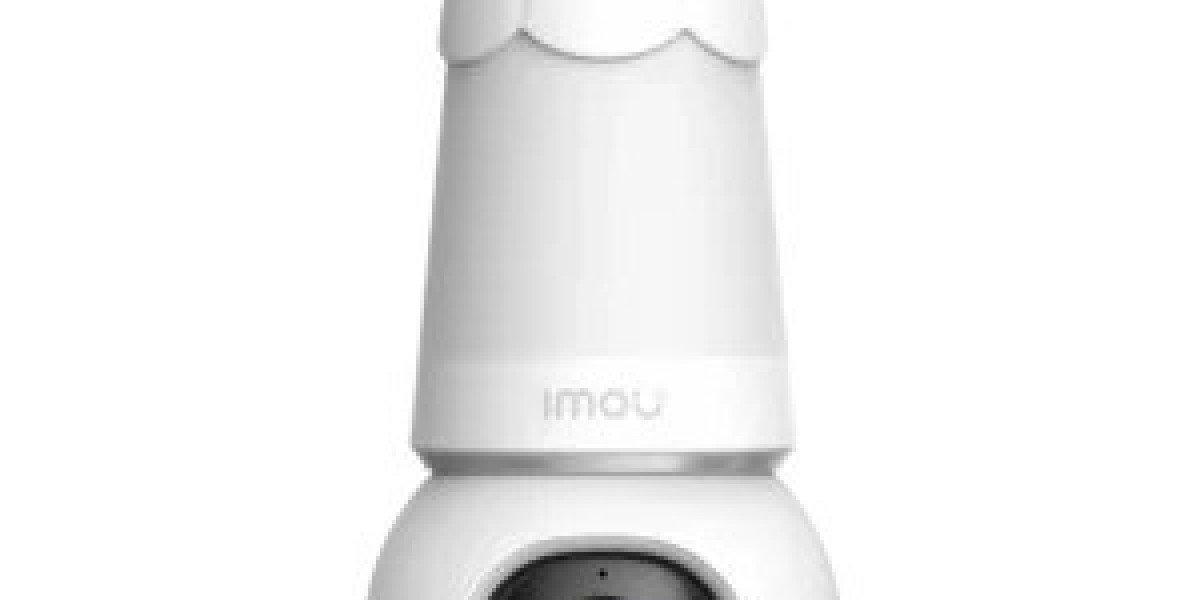


Night surveillance can become challenging when cameras are installed in locations frequently exposed to vehicle headlights. Driveways, parking areas, roadside shops, warehouses, residential entrances, gated communities, petrol stations, and commercial properties near busy roads often experience sudden changes in lighting conditions. Bright headlights can create glare, reflections, overexposed images, and temporary loss of detail, making it difficult to capture clear footage.
Modern CCTV systems are designed to operate in low-light environments, but not every camera performs equally well when facing strong light sources. Proper camera selection, careful installation, and suitable image settings are essential for maintaining reliable surveillance in these conditions.
When selecting security cameras for locations affected by headlights, buyers should focus on complete performance rather than comparing products based only on resolution or appearance. Night image quality depends on multiple factors working together to create a clear and balanced image.
Why Headlights Affect Night Vision Cameras
Vehicle headlights produce intense light that can temporarily overwhelm a camera sensor. When this happens, bright areas become overexposed while surrounding details may become too dark to identify.
This issue becomes more noticeable when cameras directly face roads, parking areas, entrances, or gates where vehicles regularly approach the camera. Reflections from wet surfaces, glass doors, metal gates, or polished floors can make the problem even worse.
Without suitable image processing, faces, license plates, clothing, and other important details may become difficult to recognize. Understanding how lighting affects surveillance is the first step toward improving nighttime performance.
The Role of Camera Sensors
The image sensor is one of the most important components of a night vision camera. Larger and higher-quality sensors generally perform better in low-light conditions because they can capture more light.
A camera with an advanced sensor can maintain better image balance when sudden bright light appears in the scene. This helps preserve details in both dark and bright areas.
Modern sensors often work together with image processing technologies to reduce glare and improve visibility. This combination is particularly useful in outdoor environments where lighting conditions change frequently.
Wide Dynamic Range Improves Visibility
Wide Dynamic Range, commonly known as WDR, is one of the most important features for areas affected by headlights.
WDR helps cameras manage scenes that contain both very bright and very dark areas at the same time. Instead of allowing headlights to dominate the image, the camera balances exposure to preserve details across the scene.

For example, when a vehicle enters a driveway at night, WDR can help maintain visibility around the entrance while reducing excessive brightness from the headlights.
Properties near busy roads, parking spaces, loading areas, and commercial entrances can benefit significantly from this technology.
Camera Placement Matters
Even the most advanced camera can struggle if it is installed incorrectly. Proper positioning can reduce direct exposure to headlights and improve image quality.
Cameras should not point directly at oncoming vehicles whenever possible. A slight adjustment in viewing angle can reduce glare and improve visibility.
Mounting height is also important. Cameras installed too low may receive stronger light exposure from vehicles, while cameras placed at an appropriate height can achieve a better viewing angle.
When planning surveillance around roads or driveways, installers should observe vehicle movement patterns before finalizing camera locations.
Consider Supplemental Lighting
In some locations, adding suitable lighting can improve surveillance performance. Balanced lighting around entrances, pathways, or parking areas can reduce the contrast between dark surroundings and bright headlights.
Soft ambient lighting can help cameras capture more consistent images without depending entirely on infrared illumination.
However, lighting should be positioned carefully to avoid creating additional reflections or shadows. Well-planned lighting often improves surveillance quality more effectively than increasing camera resolution alone.
Infrared Night Vision and Headlights
Infrared technology allows cameras to record in complete darkness, but strong headlights can influence how infrared images appear.
Some cameras automatically switch between infrared and color modes depending on available light. Sudden headlight exposure may trigger rapid adjustments in image settings.
Advanced cameras can manage these transitions more effectively, maintaining stable image quality during changing conditions.
For nighttime surveillance, the best night vision security camera should match the lighting conditions of the installation area and provide dependable visibility when natural light is limited.
Color Night Vision for Outdoor Areas
Color night vision technology has become increasingly popular because it provides additional details compared with traditional black-and-white infrared images.
In locations with some ambient lighting, color night vision can help identify vehicles, clothing colors, signs, and environmental details more clearly.
This technology can be useful in residential streets, commercial entrances, parking areas, and building entrances where vehicle headlights are common.
However, color night vision performance depends on lighting conditions, sensor quality, and camera settings.
Protect the Camera Lens
Headlights can create stronger glare when camera lenses are dirty or damaged. Dust, water spots, insects, fingerprints, and environmental residue can reduce image quality.
Outdoor cameras should be inspected regularly to ensure lenses remain clean and free from obstructions.
Simple maintenance can significantly improve image clarity, especially in environments where light reflections are common.
Protective housings and weather-resistant designs can also help maintain consistent performance over time.
Recording Settings Also Matter
Night surveillance quality is influenced by recording settings as much as by camera hardware.
Frame rate, shutter speed, bitrate, compression technology, and exposure settings all affect how moving vehicles and changing light conditions are captured.

For example, improper shutter settings may create blurred images when vehicles move quickly through the scene.
Adjusting recording settings according to the environment can improve the ability to capture useful footage during nighttime conditions.
Consider Environmental Factors
Rain, fog, dust, and humidity can influence how headlights appear in camera footage. Moisture in the air can scatter light and increase glare.
Properties near highways, industrial areas, coastal regions, or dusty roads may experience more challenging conditions.
Selecting cameras designed for outdoor use and maintaining clean lenses can help reduce the effects of environmental factors.
Site conditions should always be considered before choosing surveillance equipment.
Understanding Camera Costs
The night vision camera price in Pakistan can be influenced by the type of night-time technology, image sensor, resolution, weather protection, and additional surveillance features. Rather than selecting equipment based solely on its cost, buyers should determine whether the camera can deliver suitable visibility for the location. A properly matched camera can help produce clearer and more useful footage during nighttime monitoring.
The most expensive option is not always necessary, but selecting equipment suitable for the environment can improve overall surveillance effectiveness.
Combine Night Vision With Other Security Measures
Night vision cameras work best when they are part of a broader security strategy.
Access control systems, motion lighting, alarms, secure gates, and proper property design can all contribute to improved security.
For example, controlled lighting near entrances can enhance image quality, while gates and barriers can reduce unnecessary vehicle movement near sensitive areas.
A combination of physical security and electronic surveillance creates multiple layers of protection.
Regular Testing Is Essential
Nighttime conditions change throughout the year. Seasonal weather, lighting changes, nearby construction, and environmental conditions can all affect surveillance performance.
Property owners should review footage regularly and test camera performance under realistic nighttime conditions.
A camera that performs well on one evening may produce different results during rain, fog, or heavy traffic.
Periodic testing allows adjustments to be made before important footage is needed.









