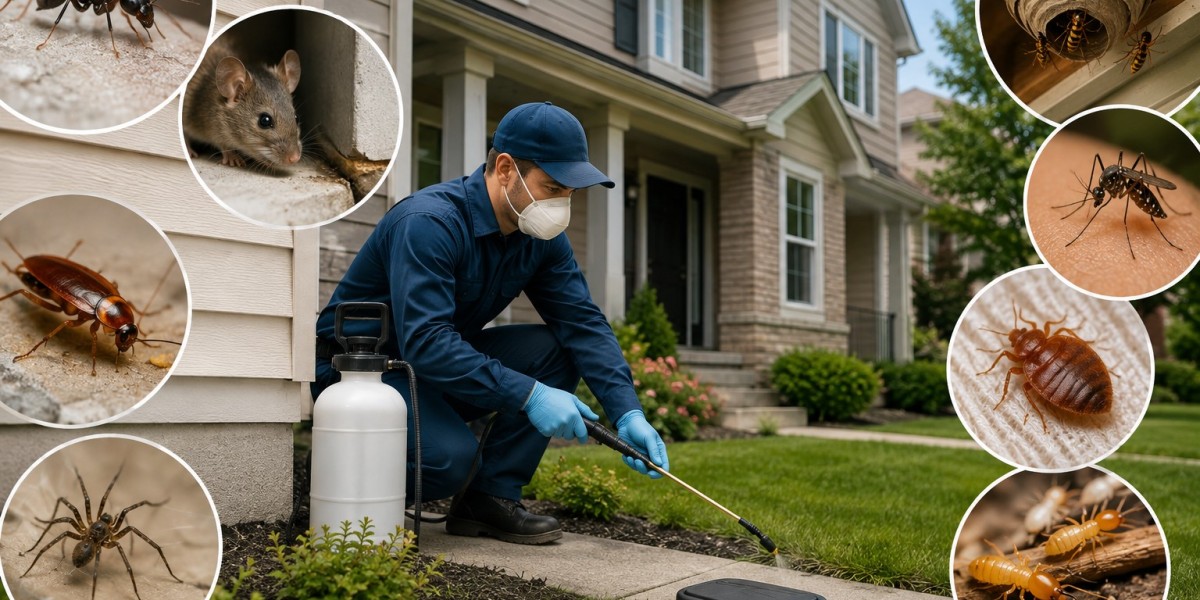


Toronto is one of the densest cities in Canada, and that density shapes almost everything about how pests move through it. Shared walls, older housing stock in neighborhoods like the West End and East York, and a climate that swings from freezing winters to humid summers all create ideal conditions for pests to find their way indoors. Whether you own a home in North York, manage a rental building downtown, or run a restaurant in Scarborough, the question isn't really if pests will show up. It's how quickly they get identified and dealt with.
Pest control in Toronto is not a one-size-fits-all service. A homeowner dealing with ants in the kitchen needs something very different from a property manager responding to a bed bug complaint in a 40-unit building, and a restaurant owner facing a health inspection has different stakes entirely. This guide breaks down what pest control in Toronto actually involves, the pests most common to the area, and how residential and commercial needs differ, so you know what to expect before calling anyone.
What Pest Control in Toronto Actually Involves
Professional pest control combines inspection, treatment, and prevention rather than a single spray-and-done visit. A licensed technician identifies the pest, locates entry points and food sources, applies the appropriate treatment method, and recommends exclusion steps like sealing gaps to stop the problem from returning. This is usually described as integrated pest management, an approach that focuses on long-term prevention rather than just killing what's visible at the moment.
In Ontario, this work is regulated. Anyone applying pesticides commercially must hold a valid exterminator licence, and Toronto's own Property Standards Bylaw (Chapter 629) requires that all properties, residential and commercial, be kept free of pests at all times. That means pest control in Toronto isn't just a convenience service. For rental buildings especially, it's a legal obligation enforced through the city's 311 system and property standards inspections.
Common Pests Toronto Homes and Businesses Deal With
Certain pests show up far more often than others across the GTA, and the season usually predicts which one you're dealing with:
Rodents (mice and rats): Most active in fall and winter as they seek shelter indoors, common in both older homes and commercial kitchens.
Cockroaches: A year-round concern in multi-unit buildings, restaurants, and apartments where food and moisture are consistently available.
Bed bugs: Not seasonal at all, spread through travel, secondhand furniture, and shared walls in condos and apartment buildings.
Ants: Peak in spring and early summer, usually entering through small gaps near windows and foundations.
Wasps: Nest-building activity peaks in late spring through summer, often in soffits, sheds, and eaves.
A single sighting of any of these rarely means the whole story. An ant on a counter or one dropping behind an appliance is often a sign that a larger population is already established nearby, which is why early inspection matters more than waiting to see if it happens again.
Why Toronto's Housing and Climate Make Pest Control Different
Toronto's mix of century-old detached homes, mid-rise apartments, and dense condo towers creates more entry points and shared spaces than most suburban housing. In older homes, gaps around foundations, aging weatherstripping, and shared basement walls between semi-detached properties all give pests easy access. In high-rise buildings, pests like cockroaches and bed bugs can travel through plumbing chases and shared walls, meaning a problem reported in one unit is rarely isolated to that unit alone.
Seasonal swings add another layer. Toronto's cold winters push rodents indoors in search of warmth, while humid summers create ideal breeding conditions for insects. This seasonal pattern repeats across the wider region too, from Vaughan and Brampton to Mississauga, Barrie, Bradford, and King City, which is why a treatment plan that accounts for the time of year tends to outperform a generic, one-time spray.
Residential vs. Commercial Pest Control in Toronto
Residential Pest Control
For homeowners, condo residents, and landlords, the priority is usually comfort, health, and protecting the property itself. Residential treatment plans typically focus on the specific pest reported, an inspection of likely entry points, and a prevention plan to reduce the chance of recurrence. Our complete residential pest control guide for Ontario homeowners covers this in more depth, including what a typical treatment timeline looks like.
Commercial Pest Control
For restaurants, warehouses, retail stores, and office buildings, the stakes go beyond comfort. A single failed health inspection or an online review mentioning pests can cost a business far more than the treatment itself, which is why commercial pest control usually involves ongoing monitoring and documentation rather than a single visit. This is especially true for property managers responsible for multi-tenant buildings, where one unresolved unit can quickly become a building-wide issue. We cover this risk in detail in our breakdown of the hidden cost of ignoring pest control in commercial buildings.
What to Expect From a Professional Pest Control Visit
A proper visit starts with an inspection, not a spray. A licensed technician walks the property, identifies the pest and its entry points, and explains a treatment plan before doing any work. Depending on the pest, this might mean a single visit for something like a wasp nest, or a multi-visit program for cockroaches or bed bugs, which require follow-up treatments to catch newly hatched eggs. You should always be able to confirm a technician's licensing before treatment begins, since Ontario law requires it for any commercial pesticide application. Health Canada's household pest control guidance is a useful reference for understanding basic identification and prevention steps before your appointment.
Frequently Asked Questions
How much does pest control cost in Toronto? Costs vary by pest and severity, with a standard single treatment for common pests like ants generally falling between $200 and $450, while specialized problems like bed bugs cost more due to multiple required visits.
Is pest control legally required for landlords in Toronto? Yes. Under Toronto's Property Standards Bylaw and the Ontario Residential Tenancies Act, landlords must keep rental properties free of pests, and this responsibility cannot be shifted to tenants through a lease.
How quickly can pest control be done in Toronto? Simple issues like a wasp nest are often resolved same-day, while infestations like bed bugs or cockroaches typically need two to three visits spaced over several weeks.
Do I need pest control every month, or only when I see a problem? It depends on the property. Homes and businesses with recurring seasonal issues often benefit from a quarterly prevention plan, while a one-time problem usually only needs a single treatment and follow-up inspection.
Final Thoughts
Pest control in Toronto isn't just about reacting to whatever shows up. It's shaped by the city's housing density, its shared walls and older buildings, and a legal framework that holds property owners accountable for keeping spaces pest-free. Understanding what a proper inspection and treatment plan actually looks like, whether for a single-family home in Etobicoke or a commercial kitchen downtown, makes it much easier to recognize a thorough service instead of a quick, incomplete one.
If you're dealing with a pest issue right now, or want to get ahead of one before peak season hits, our team offers free inspections across Toronto and the surrounding GTA. Call (647) 885-9507 or book an inspection online to get a clear treatment plan based on your actual property.









