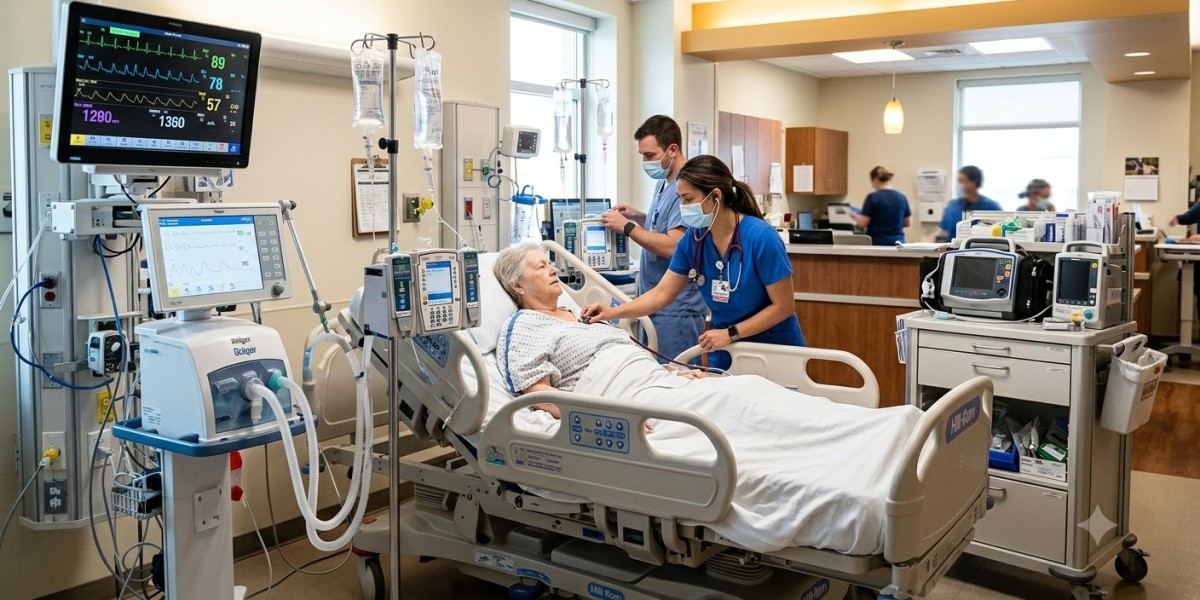


Hospital Equipment is an essential part of every healthcare facility. It supports doctors, nurses, and other healthcare professionals in providing safe, accurate, and effective patient care. From diagnosing diseases to treating injuries and helping patients recover, different types of medical equipment are used every day. Each piece of equipment has a specific purpose and helps improve the quality of healthcare services.
Modern hospitals depend on advanced technology to deliver better treatment while improving patient safety and comfort. Along with Physiotherapy Equipment and Diagnostic Equipment, many other medical devices work together to support every stage of patient care. Understanding the different types of hospital equipment helps healthcare providers choose the right tools for better medical services.
What Is Hospital Equipment?
Hospital Equipment includes all the machines, devices, and medical tools used in hospitals, clinics, healthcare centers, and emergency facilities. These products help healthcare professionals examine patients, diagnose illnesses, perform treatments, monitor health conditions, and support recovery.
Hospital equipment ranges from simple items such as wheelchairs and hospital beds to advanced machines like MRI scanners and ventilators. Every healthcare department uses different equipment based on the medical services it provides.
Patient Care Equipment
Patient care equipment is one of the most common types of Hospital Equipment. These devices improve patient comfort while helping healthcare professionals provide daily medical care.
Hospital beds allow patients to rest safely while receiving treatment. Modern beds can be adjusted to improve comfort and support recovery. Wheelchairs help patients move around the hospital safely, while stretchers are used to transport patients between departments.
Other patient care devices include bedside cabinets, examination tables, patient lifts, and overbed tables. These products improve comfort while making daily care easier for both patients and healthcare workers.
Diagnostic Equipment
Diagnostic Equipment is used to identify diseases, injuries, and medical conditions. Doctors rely on these machines to understand a patient's health before starting treatment.
Common examples include X-ray machines, ultrasound systems, CT scanners, MRI scanners, ECG machines, and laboratory analyzers. These devices provide detailed images and test results that help doctors make accurate medical decisions.
Modern Diagnostic Equipment offers faster testing, higher image quality, and improved accuracy. Early diagnosis allows healthcare professionals to begin treatment sooner, increasing the chances of successful recovery.
Monitoring Equipment
Monitoring equipment helps healthcare professionals observe a patient's health throughout treatment. These devices provide continuous information about important body functions.
Patient monitors measure heart rate, blood pressure, oxygen saturation, body temperature, and breathing patterns. They are widely used in intensive care units, emergency departments, operating rooms, and recovery areas.
Monitoring equipment allows healthcare teams to detect changes in a patient's condition immediately, improving patient safety and supporting faster medical decisions.
Surgical Equipment
Surgical equipment is designed to support doctors during medical procedures and operations. Modern operating rooms depend on specialized equipment to ensure safe and successful surgeries.
Operating tables provide proper patient positioning during procedures. Surgical lights improve visibility for surgeons, while anesthesia machines safely deliver anesthesia throughout the operation.
Sterilization equipment is also an important part of surgical care because it keeps medical instruments clean and free from harmful bacteria. Together, these devices improve surgical precision and reduce the risk of infection.
Emergency Equipment
Emergency departments require Hospital Equipment that is ready for immediate use. These medical devices help healthcare professionals respond quickly during life-threatening situations.
Ventilators provide breathing support for patients with serious lung conditions. Defibrillators help restore a normal heart rhythm during cardiac emergencies. Suction machines clear blocked airways, while emergency carts store life-saving medicines and equipment.
Reliable emergency equipment improves response time and increases the chances of patient survival during critical situations.
Physiotherapy Equipment
Recovery is an important part of healthcare, and Physiotherapy Equipment supports patients during rehabilitation. These devices help improve strength, flexibility, balance, and movement after illness, injury, or surgery.
Common Physiotherapy Equipment includes exercise bikes, therapy tables, resistance machines, balance boards, parallel bars, rehabilitation treadmills, and mobility training devices.
Physiotherapists use this equipment to create personalized treatment plans that match each patient's recovery goals. Rehabilitation equipment helps patients regain independence and return to normal daily activities more quickly.
Life Support Equipment
Life support equipment helps patients whose vital body functions require medical assistance. These devices are often used in intensive care units and emergency departments.
Ventilators assist patients who cannot breathe independently. Dialysis machines remove waste from the blood when the kidneys are not working properly. Infusion pumps deliver medicines and fluids in controlled amounts.
Life support equipment plays a critical role in caring for seriously ill patients and improving survival rates during complex medical conditions.
Laboratory Equipment
Laboratory equipment helps healthcare professionals perform medical tests that support diagnosis and treatment planning.
Blood analyzers, microscopes, centrifuges, laboratory incubators, and testing machines examine blood, urine, tissue samples, and other body fluids. These tests provide valuable information that helps doctors identify infections, diseases, and other health conditions.
Accurate laboratory equipment improves diagnosis and allows treatment to begin without unnecessary delays.
Sterilization Equipment
Maintaining a clean healthcare environment is essential for patient safety. Sterilization equipment helps prevent infections by cleaning medical instruments before they are used again.
Autoclaves use high-pressure steam to sterilize surgical tools and reusable medical equipment. Instrument washers and drying systems also support proper cleaning procedures.
Hospitals depend on sterilization equipment to maintain hygiene standards and reduce the spread of harmful bacteria and viruses.
Maternity and Neonatal Equipment
Hospitals also use specialized equipment to care for mothers and newborn babies. Maternity departments depend on reliable medical devices to provide safe pregnancy care and childbirth support.
Fetal monitors observe the baby's heartbeat during labor. Delivery tables provide support during childbirth, while infant warmers help newborn babies maintain body temperature.
Neonatal monitoring equipment is especially important for premature babies who require continuous observation after birth.
Mobility and Rehabilitation Equipment
Mobility equipment helps patients move safely during recovery. These devices support people who have limited movement because of illness, injury, or surgery.
Wheelchairs, walkers, crutches, patient lifts, and transfer chairs improve patient mobility while reducing the risk of falls. Rehabilitation specialists often combine these devices with Physiotherapy Equipment to support complete recovery.
These tools improve independence and help patients perform daily activities more comfortably.
Future of Hospital Equipment
Hospital Equipment continues to improve as medical technology advances. Artificial intelligence, robotic surgery, remote patient monitoring, and digital healthcare systems are becoming more common in hospitals around the world.
Future Diagnostic Equipment will provide faster and more detailed medical results, helping doctors identify diseases at earlier stages. Modern Physiotherapy Equipment will include smart sensors that track patient progress and adjust rehabilitation programs automatically.
These innovations will improve patient care, reduce treatment time, and make healthcare services more efficient for both medical professionals and patients.
Conclusion
Hospital Equipment includes many different types of medical devices that support diagnosis, treatment, surgery, monitoring, rehabilitation, emergency care, and long-term patient management. Every category plays an important role in improving healthcare quality and patient safety.
Modern Diagnostic Equipment allows healthcare professionals to detect diseases quickly and accurately, while advanced Physiotherapy Equipment helps patients recover after injuries, surgeries, and medical conditions. Together with patient care, monitoring, laboratory, emergency, and life support devices, these types of hospital equipment create a complete healthcare system that benefits patients and medical staff alike.
As healthcare technology continues to develop, hospitals will rely even more on advanced equipment to provide faster, safer, and more effective medical care. Investing in high-quality hospital equipment remains essential for delivering better healthcare services and improving patient outcomes for the future.
More info: Amg Medical








