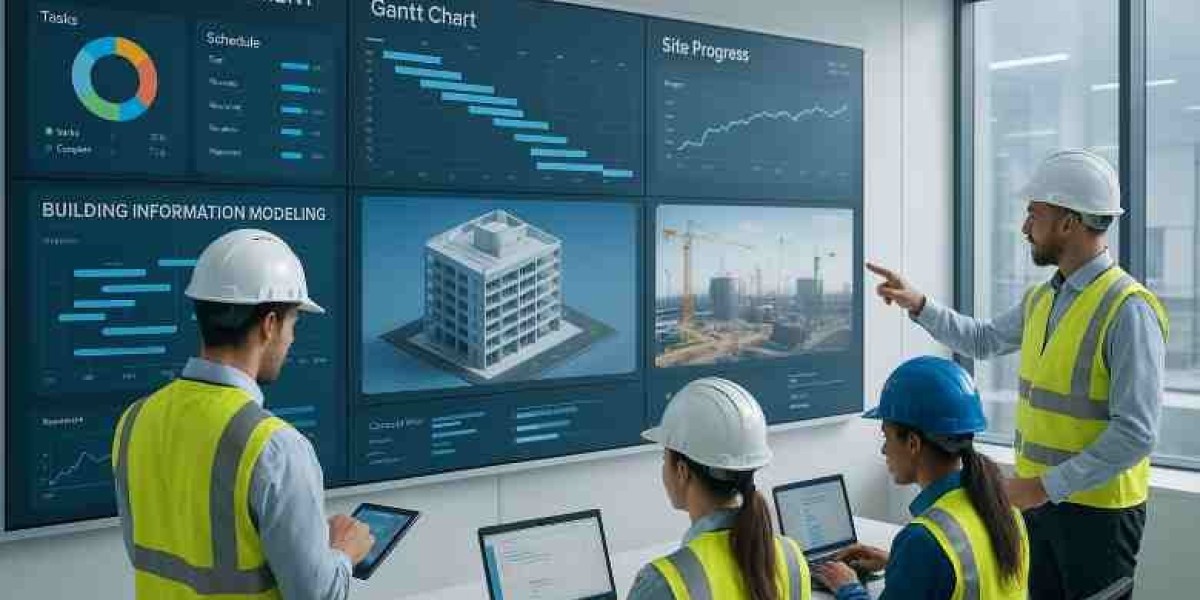


Construction project management keeps building projects organized from planning through completion. It brings together people, materials, schedules, costs, safety, and quality under one clear plan. Good project management helps teams avoid delays, control spending, solve problems early, and complete work according to the project goals.
Construction projects often involve many moving parts. Owners, architects, engineers, contractors, subcontractors, suppliers, and workers must work together. Construction project management gives each part of the team a clear role and helps everyone follow the same plan.
What Is Construction Project Management?
Construction project management is the process of planning, coordinating, and controlling construction work. A construction project manager oversees daily activities and makes sure the project stays on track.
The work starts before construction begins. Managers review project plans, estimate costs, create schedules, select contractors, and identify possible problems. Once construction starts, they monitor progress, coordinate workers, review materials, and communicate with the project owner.
The main goal is simple. The team needs to complete the project safely, on time, within budget, and according to the required quality standards.
Why Construction Project Management Matters?
Construction projects can become difficult when teams lack clear planning. Small delays can affect several trades. Material shortages can stop work. Design changes can increase costs. Poor communication can create mistakes that take time and money to correct.
Effective construction management reduces these problems by giving the team a clear process. Project managers track progress and respond to issues before they become larger problems.
Good management also improves communication. Everyone knows what work needs to happen, who handles it, and when the work should finish.
Key Responsibilities of a Construction Project Manager
A construction project manager handles many responsibilities throughout the project. The exact duties depend on project size, but most managers oversee planning, scheduling, budgeting, communication, quality, and safety.
Project managers also coordinate subcontractors and suppliers. They make sure workers have the information and materials needed to complete their tasks.
Two major responsibilities include:
- Project planning and scheduling: Managers create work schedules, set milestones, assign tasks, and track progress against planned dates.
- Cost and resource control: Managers monitor labor, materials, equipment, and other expenses to keep spending within the approved budget.
Construction Project Planning
Strong planning gives construction teams a clear starting point. The planning stage defines the project scope, budget, schedule, materials, labor needs, and expected results.
The project manager reviews drawings and specifications before work begins. This review can reveal missing information, conflicts, or unclear details. Solving these issues early can prevent expensive changes during construction.
Planning also involves setting project milestones. Each milestone represents an important stage of work. Examples include site preparation, foundation completion, framing, mechanical work, interior work, and final inspection.
A clear construction plan helps the team understand what needs to happen first and what work can follow.
Construction Scheduling
Construction scheduling shows when each task should start and finish. It also shows how different tasks depend on each other.
For example, electrical work may need to happen before walls close. Flooring may need to wait until other interior work finishes. A delay in one task can affect several later tasks.
Project managers track the schedule throughout construction. They compare actual progress with planned progress and adjust the schedule when conditions change.
Weather, material delays, design changes, inspections, and labor shortages can affect construction schedules. Regular schedule reviews help managers respond quickly.
Construction Cost Management
Cost management helps keep project spending under control. The process starts with a detailed budget that covers labor, materials, equipment, permits, subcontractors, and other project expenses.
Project managers track actual costs against the budget. They also review purchase orders, invoices, change requests, and other financial records.
A strong cost control process makes problems easier to spot. If material costs rise or extra work becomes necessary, the manager can review the effect on the project budget before approving the work.
Clear cost records also help owners understand where their money goes.
General contractors in Fairway, KS
General contractors in Fairway, KS focuses on whether construction work meets project requirements. Managers inspect work at different stages instead of waiting until the end of the project.
Quality checks can cover materials, installation methods, measurements, finishes, structural work, and building systems. The project team follows drawings, specifications, building codes, and approved plans.
Early inspections make corrections easier. For example, fixing an issue before another trade covers the work can save both time and money.
Quality management also requires good records. Inspection reports, approved materials, photographs, and other documents help the team track completed work.
Safety Management
Construction sites involve risks from equipment, tools, heights, electrical systems, moving materials, and other hazards. Safety management helps workers recognize and control these risks.
Project managers coordinate with contractors and workers to follow site safety requirements. They also make sure teams understand safety procedures and report unsafe conditions.
A safe work environment protects workers and reduces disruptions. Safety planning should begin before workers arrive at the site and continue throughout the project.
Communication and Team Coordination
Communication connects every part of construction project management. Project managers communicate with owners, designers, contractors, suppliers, inspectors, and workers.
Regular meetings help teams discuss progress, upcoming work, problems, and decisions. Written updates also create a record that everyone can review.
Clear communication matters when changes occur. If an owner changes materials or requests new work, the project team needs to understand the cost, schedule, and construction impact.
Poor communication can create confusion. Clear communication keeps decisions visible and helps different teams work toward the same result.
Managing Construction Risks
Risk management helps teams prepare for problems before they affect the project. Managers review possible risks during planning and continue checking for new risks during construction.
Common risks include unexpected site conditions, material shortages, weather delays, design errors, labor shortages, safety incidents, and cost increases.
The manager can reduce these risks through better planning, supplier coordination, inspections, contract reviews, and schedule control.
Risk management does not remove every problem. It gives the team a practical way to respond when problems occur.
Construction Technology
Technology supports modern construction project management. Digital tools can help teams manage schedules, budgets, documents, drawings, communication, and project records.
Project management software can give owners and contractors access to current information. Digital drawings can also help teams review plans and identify conflicts.
Mobile tools allow managers to record site updates, photographs, inspections, and issues while working in the field. These records can improve communication between the construction site and office.
Technology works best when teams use simple systems consistently. The goal remains better project control rather than technology itself.
Choosing a Construction Project Management Team
Owners should consider experience, communication, planning skills, cost control methods, and knowledge of local construction requirements when selecting a project management team.
A reliable team should explain the project process clearly. It should also provide realistic schedules, detailed budgets, regular updates, and clear documentation.
Owners can ask about previous projects, project management methods, contractor coordination, quality checks, and how the team handles changes. These questions can help owners choose a team that fits their project needs.
Benefits of Effective Construction Project Management
Effective management gives construction projects a stronger structure. It helps teams understand priorities and manage work from start to finish.
The main benefits include better schedule control, improved cost tracking, stronger communication, better quality control, safer work practices, and faster response to problems.
Project management also gives owners greater visibility. Regular updates help them understand progress and make informed decisions when changes become necessary.
Conclusion
Construction project management near you provides the structure needed to plan, organize, and complete building projects successfully. It connects scheduling, budgeting, quality control, safety, communication, and risk management into one process.
For property owners in Fairway, KS, choosing an experienced construction company can make project planning and execution easier. H3 Design Build is the best company that provides these services in Fairway, KS and its surrounding areas. The company states that it handles residential and commercial construction, renovations, and custom builds, with services covering project management from planning through completion.
FAQs
What does construction project management include?
Construction project management includes planning, scheduling, budgeting, contractor coordination, quality control, safety management, communication, and project documentation.
Why is construction scheduling important?
Construction scheduling shows when each task should start and finish. It helps teams coordinate different trades and identify delays before they affect later work.
How does construction project management control costs?
Project managers create budgets, track expenses, review invoices, monitor material and labor costs, and assess the financial impact of changes.
What role does quality control play in construction?
Quality control checks whether materials and workmanship meet project requirements. Regular inspections help teams find and correct problems before they become harder to fix.
How does communication affect a construction project?
Clear communication helps owners, contractors, suppliers, and workers understand project requirements. It also reduces confusion when the team faces changes or unexpected problems.
When should construction project management begin?
Construction project management should begin during the planning stage. Early management helps define the scope, budget, schedule, resources, and responsibilities before physical construction starts.









