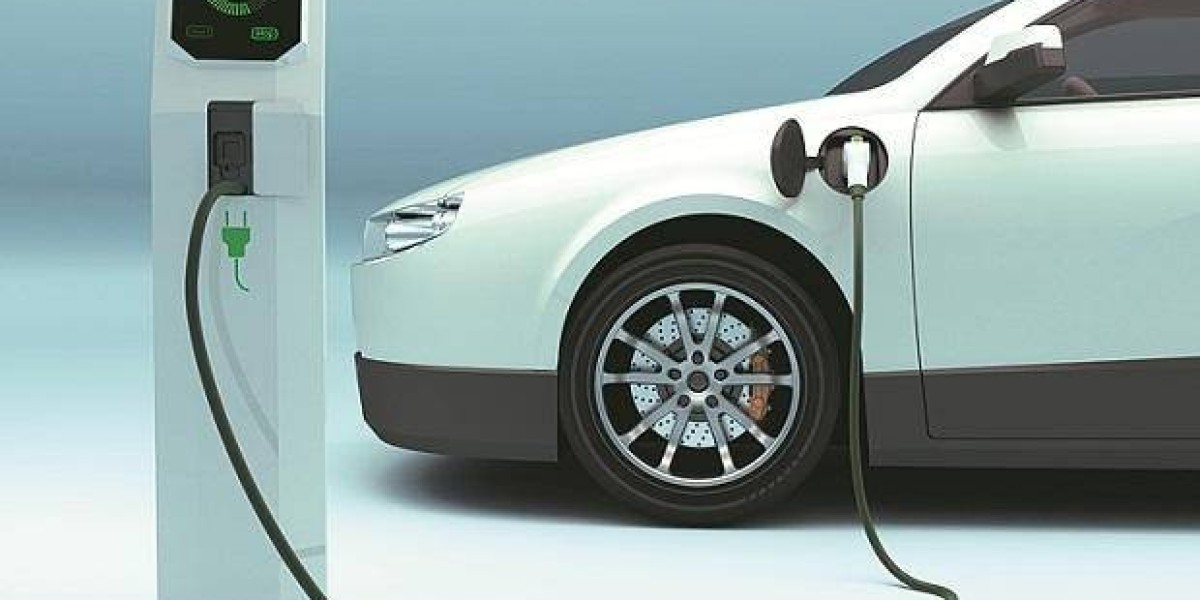


The electric vehicle charger market opportunities are expanding as electric mobility becomes increasingly integrated into transportation, energy, real estate, and digital technology. The growing number of electric vehicles is creating demand for charging infrastructure across residential properties, workplaces, commercial facilities, highways, fleet depots, and public locations.
The opportunity extends beyond charger manufacturing. Companies can participate through software, energy management, installation, maintenance, renewable integration, charging operations, and specialized fleet services.
Expanding Residential Charging
Residential charging represents a major opportunity because many electric vehicle owners prefer to charge while their vehicles are parked for extended periods.
Smart home chargers can provide scheduling, energy monitoring, remote management, and automated charging controls. These features can improve convenience while helping users manage electricity consumption.
Multi-unit residential properties offer another opportunity. Apartment buildings can install shared chargers supported by software that manages user access, billing, and electricity allocation.
Growth of Public Charging Networks
Public charging remains important for drivers without private parking and for those undertaking longer journeys.
Urban charging opportunities exist in parking facilities, shopping centers, offices, transportation hubs, and streetside locations. Highway charging can support long-distance travel and help improve confidence in electric vehicle use.
Charging operators can differentiate facilities through convenient locations, reliable equipment, transparent pricing, fast charging, and complementary amenities.
High-Power Charging Opportunities
The demand for shorter charging sessions is creating opportunities in high-power charging. Highway stations, logistics facilities, fleet depots, and high-use urban locations can benefit from faster systems.
High-power charging also creates opportunities for companies supplying supporting infrastructure, including power-management systems, cooling equipment, transformers, battery storage, and electrical installation services.
The development of fast-charging locations therefore creates a broader ecosystem of business opportunities.
Fleet Electrification
Commercial fleets are an important opportunity because their vehicles often operate from predictable locations and schedules.
Delivery companies, logistics operators, bus services, taxis, and corporate fleets can require dedicated charging facilities. Providers can offer integrated solutions that combine chargers with software, energy management, maintenance, and operational support.
Fleet charging can also generate recurring service opportunities because operators require ongoing monitoring and maintenance.
Smart Charging Solutions
As charging networks grow, intelligent charging management is becoming increasingly valuable. Smart systems can distribute available power among multiple vehicles and adjust charging according to schedules, energy prices, and grid conditions.
Software companies can develop platforms for managing charging across residential properties, commercial buildings, fleet depots, and public networks.
Smart charging can also help businesses avoid unnecessary electricity demand and improve utilization of existing electrical capacity.
Renewable-Powered Charging
The combination of electric vehicle charging and renewable energy creates another promising opportunity. Solar-powered charging can be installed at workplaces, parking areas, retail properties, fleet facilities, and dedicated charging hubs.
Battery storage can complement solar generation by storing electricity for later charging demand.
Companies that provide integrated renewable energy, storage, and charging systems can address both mobility and energy requirements.
Charging-as-a-Service
Businesses may not always want to purchase, operate, and maintain charging equipment themselves. Charging-as-a-service models can address this requirement by combining infrastructure with software, maintenance, energy management, and technical support.
Such models can be attractive to property owners, fleet operators, offices, hotels, and commercial facilities.
Service-based approaches can also create recurring revenue streams for infrastructure providers.
Digital Charging Platforms
Software and digital platforms are becoming essential to modern charging networks. Drivers need tools to locate chargers, check availability, make payments, and monitor charging sessions.
Operators require backend systems to manage equipment, customer accounts, pricing, energy consumption, and maintenance.
This creates opportunities for software developers and technology providers to serve the charging ecosystem without manufacturing physical equipment.
Maintenance and Technical Services
As the number of charging stations increases, the need for reliable maintenance will grow. Chargers require inspections, repairs, software updates, replacement components, and technical support.
Companies specializing in installation and maintenance can develop long-term relationships with charging operators and property owners.
Remote diagnostics and predictive maintenance can further improve service efficiency by identifying problems before major failures occur.
Opportunities in Commercial Real Estate
Commercial properties can use charging infrastructure as an additional customer and tenant service. Shopping centers, hotels, offices, restaurants, and parking facilities can attract electric vehicle users by offering convenient charging.
Charging can also encourage longer visits, particularly when customers can charge while shopping, dining, or working.
Property developers can incorporate charging infrastructure into new projects while existing properties can consider retrofit solutions.
Vehicle-to-Grid Opportunities
Bidirectional charging could eventually expand the role of electric vehicles within the energy ecosystem. Compatible vehicles may be able to provide electricity to homes, buildings, or electricity networks.
Vehicle-to-home and vehicle-to-building applications could provide backup energy, while vehicle-to-grid systems may support broader energy-management objectives.
Although adoption depends on technology and regulatory development, bidirectional charging represents an important long-term opportunity.
Charging Hubs and Mobility Centers
Large charging hubs can combine multiple charging technologies with amenities and energy resources. These locations can serve private drivers, commercial fleets, and long-distance travelers.
Future hubs may incorporate solar generation, battery storage, retail services, restaurants, rest areas, and digital customer platforms.
This creates opportunities for companies across mobility, retail, hospitality, energy, and property development.
Key Barriers
Despite strong opportunities, businesses must consider installation costs, grid capacity, land availability, permitting, interoperability, and equipment reliability.
A successful charging project requires careful site selection and a clear understanding of local demand.
Companies also need flexible technology that can adapt to changing vehicle capabilities and charging standards.
Conclusion
The electric vehicle charger market opportunities extend across residential charging, public networks, fast charging, commercial fleets, smart software, renewable energy, energy storage, maintenance, property development, and charging-as-a-service.
The most attractive opportunities are likely to involve integrated solutions that combine reliable infrastructure with intelligent energy management and convenient digital services. As electric mobility continues to expand, charging infrastructure can become an increasingly valuable part of the broader transportation and energy ecosystem.









