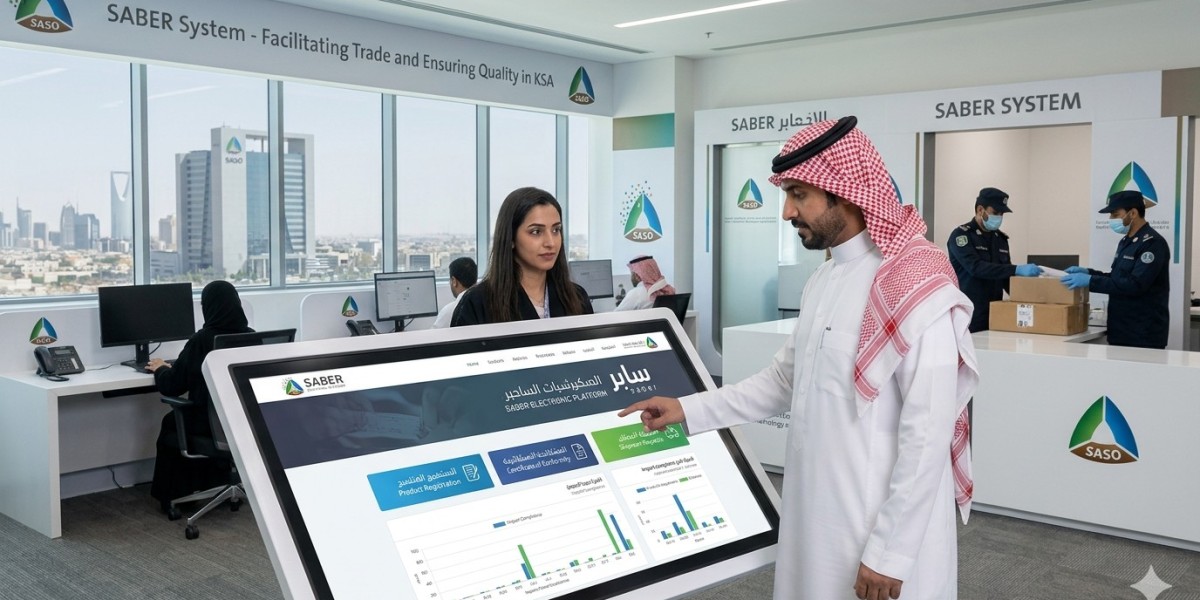


As global trade continues to grow, businesses must meet increasingly complex regulatory requirements before their products can enter international markets. In Saudi Arabia, obtaining saber product certification is a crucial step for manufacturers, importers, and distributors seeking to demonstrate compliance with national technical regulations and product safety standards. Effective regulatory compliance solutions help businesses manage product registration, conformity assessment, documentation, and certification, ensuring faster customs clearance, legal compliance, and successful market entry.
What Are Regulatory Compliance Solutions?
Regulatory compliance solutions are professional services that help businesses meet the legal, technical, and safety requirements established by government authorities before products are imported, manufactured, distributed, or sold.
These services ensure that products comply with applicable regulations while reducing the risk of shipment delays, customs penalties, and market restrictions.
Compliance solutions typically include:
Product registration
Conformity assessment
Technical documentation review
Product testing coordination
Certification management
Regulatory consultation
Customs compliance support
Ongoing compliance monitoring
By implementing effective compliance strategies, businesses can confidently expand into regulated markets while maintaining operational efficiency.
Why Regulatory Compliance Matters
Every country establishes regulations to protect consumers, the environment, and the national economy. Businesses that fail to comply with these requirements may face shipment delays, product recalls, financial penalties, or import restrictions.
Regulatory compliance provides several important benefits:
Faster customs clearance
Improved product credibility
Reduced legal risks
Better market access
Increased customer confidence
Stronger brand reputation
Improved supply chain efficiency
Long-term business sustainability
Compliance is no longer simply a legal obligation—it has become an essential part of responsible business operations.
Understanding the SABER Platform
The SABER platform is Saudi Arabia's electronic system for product registration and conformity certification. It simplifies regulatory compliance by providing a centralized digital platform where importers and manufacturers can register products and obtain the required certificates.
The platform supports:
Product registration
Conformity assessment
Certificate issuance
Shipment verification
Regulatory record management
Its digital approach improves transparency while reducing paperwork and processing times.
Product Certification and Compliance
Product certification verifies that a product complies with applicable Saudi technical regulations before entering the market.
Certification demonstrates that products satisfy required standards relating to:
Safety
Quality
Performance
Labeling
Environmental requirements
Consumer protection
Depending on the product category, certification may involve document review, laboratory testing, factory evaluation, or technical assessment.
Product Registration Process
Product registration is one of the first stages of regulatory compliance.
The process generally includes:
1. Product Classification
Each product is identified according to its category and Harmonized System (HS) Code.
Correct classification determines which technical regulations apply.
2. Document Preparation
Businesses prepare supporting documents such as:
Product specifications
Manufacturer information
Technical data sheets
User manuals
Product images
Commercial invoices
Test reports
Quality certificates
Complete documentation helps accelerate the approval process.
3. Registration Submission
Product information is uploaded to the SABER platform for review.
Regulatory authorities or approved conformity assessment bodies evaluate the submission according to applicable standards.
4. Certificate Issuance
Once all requirements have been satisfied, the required compliance certificates are issued electronically.
These certificates support customs clearance and legal product distribution.
Importance of Conformity Assessment
Conformity assessment confirms that products meet the technical regulations established by Saudi authorities.
The assessment process may include:
Documentation review
Laboratory testing
Technical evaluation
Product inspection
Manufacturing assessment
Quality verification
The level of assessment depends on the product category and associated risk level.
Role of Conformity Assessment Bodies
Approved Conformity Assessment Bodies (CABs) independently evaluate products against applicable standards.
Their responsibilities include:
Reviewing technical documentation
Verifying laboratory reports
Conducting product assessments
Confirming regulatory compliance
Supporting certificate issuance
Working with recognized assessment bodies ensures impartial evaluation and reliable certification.
Importance of HS Code Classification
Accurate HS Code classification is essential for successful regulatory compliance.
The HS Code determines:
Applicable customs duties
Product regulations
Certification requirements
Import restrictions
Customs procedures
Incorrect classification may result in delayed approvals, incorrect certification, or customs penalties.
Technical Regulations
Saudi Arabia maintains technical regulations covering numerous product categories.
Examples include:
Electrical equipment
Electronic devices
Children's toys
Construction products
Personal protective equipment
Automotive components
Household appliances
Chemical products
Textile goods
Each regulation specifies applicable safety, performance, labeling, and quality requirements.
Documentation Requirements
Accurate documentation plays a critical role throughout the certification process.
Common documents include:
Commercial Invoice
Product Specifications
Packing List
Product Images
Test Reports
Quality Certificates
User Manuals
Declaration of Conformity
Maintaining organized documentation improves efficiency and minimizes approval delays.
Common Regulatory Compliance Challenges
Businesses often encounter challenges such as:
Incorrect product classification
Missing technical documentation
Incomplete product descriptions
Outdated test reports
Incorrect regulatory selection
Certification delays
Last-minute compliance planning
Early preparation and professional guidance help minimize these challenges.
Benefits of Professional Regulatory Compliance Services
Experienced compliance specialists simplify the certification process by providing expert support throughout every stage.
Professional services often include:
Product classification
Regulatory consultation
Documentation review
Product registration
Conformity assessment coordination
Certification management
Customs compliance support
Ongoing regulatory updates
Their expertise reduces administrative workload while improving compliance accuracy.
Supporting International Trade
Regulatory compliance plays an important role in facilitating international trade.
Certified products benefit from:
Faster customs processing
Reduced shipment delays
Improved importer confidence
Better supplier relationships
Lower compliance risks
Enhanced market competitiveness
Strong compliance programs create smoother supply chain operations while supporting long-term business growth.
Digital Transformation in Compliance
Modern compliance systems increasingly rely on digital technologies that improve efficiency and transparency.
Digital compliance solutions offer:
Electronic product registration
Online certificate management
Automated document verification
Real-time compliance tracking
Digital record storage
Faster regulatory approvals
Technology enables businesses to manage complex compliance requirements more effectively while reducing paperwork.
Best Practices for Regulatory Compliance
Businesses can strengthen their compliance programs by following several best practices:
Classify products accurately.
Prepare technical documentation in advance.
Monitor regulatory changes regularly.
Maintain updated compliance records.
Verify product testing requirements.
Conduct internal compliance reviews.
Partner with experienced certification specialists.
Plan certification before shipment.
Proactive compliance management reduces operational risks and improves supply chain efficiency.
Why Choose Professional Compliance Experts?
Working with experienced regulatory specialists provides numerous advantages, including:
Faster certification processes
Reduced administrative burden
Accurate documentation
Better regulatory guidance
Lower compliance risks
Improved customs readiness
Enhanced operational efficiency
Reliable long-term support
Professional expertise helps businesses navigate changing regulations while ensuring successful product certification.
Conclusion
Regulatory compliance is an essential part of importing, manufacturing, and distributing products in Saudi Arabia. Through professional Regulatory Compliance Solutions, businesses can efficiently manage product registration, conformity assessment, technical documentation, and certification requirements. The SABER platform has transformed the certification process by providing a streamlined digital system that supports product compliance and customs clearance. By investing in expert compliance services and maintaining proactive regulatory practices, businesses can reduce delays, protect their reputation, improve supply chain performance, and confidently expand into the Saudi market while meeting all applicable technical and legal requirements.








