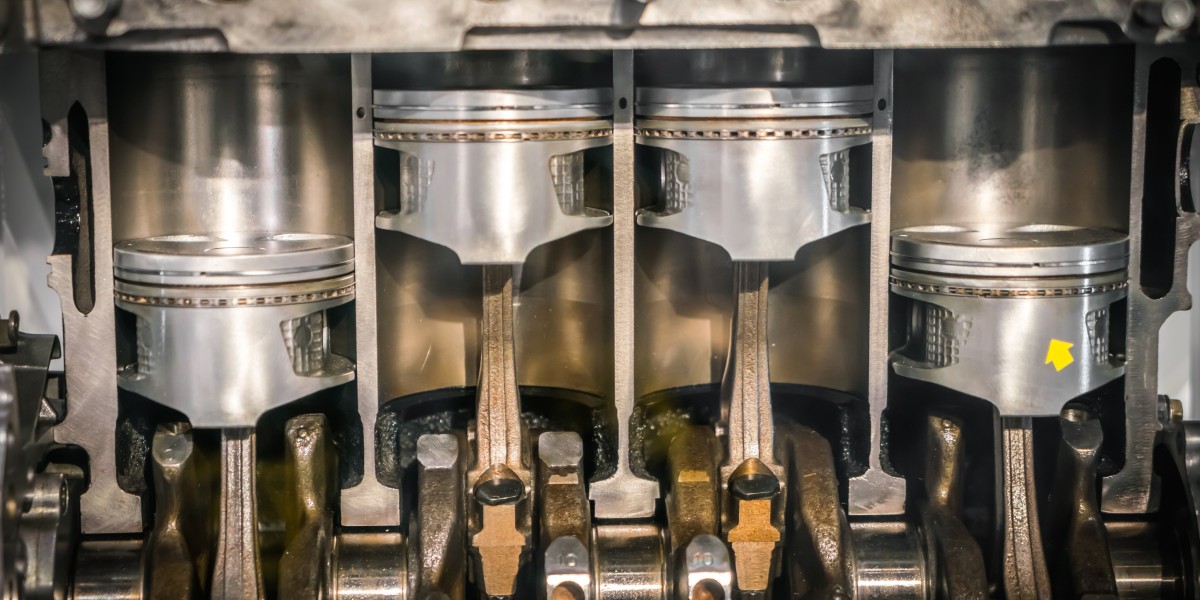


Classic Pontiac engines are known for their distinctive V8 character, strong torque, and impressive durability. Whether you own a carefully preserved factory-original vehicle, a weekend cruiser, or a modified Pontiac performance car, the ignition system plays a major role in keeping the engine running properly. Among its most important components is the distributor.
The distributor has a relatively simple job, but its condition can have a major effect on engine operation. It directs high-voltage energy from the ignition coil to the correct spark plug while helping control ignition timing. When the distributor works correctly, the engine can start easily, idle smoothly, accelerate properly, and maintain consistent performance. When it develops a problem, however, symptoms can range from occasional hesitation to complete engine failure.
Understanding pontiac Engine Distributor problems can help classic car owners diagnose ignition issues before replacing unrelated components. Problems with the distributor can sometimes look like carburetor, fuel-delivery, spark-plug, or electrical problems. Identifying the symptoms accurately is therefore an important part of classic Pontiac maintenance.
This guide covers common distributor problems, warning signs, possible causes, troubleshooting methods, and practical solutions. It also explains what to consider when sourcing replacement components and how Bop Parts can help Pontiac enthusiasts find suitable pontiac Auto/car Parts for classic restoration and repair projects.
What Does a Pontiac Engine Distributor Do?
Before diagnosing a distributor problem, it helps to understand its function.
In a traditional ignition system, the distributor receives high-voltage energy from the ignition coil and directs it to individual spark plugs in the correct firing sequence. At the same time, its timing mechanism determines when each spark should occur.
Depending on the specific Pontiac application, the distributor may include:
Distributor cap
Rotor
Distributor shaft
Distributor gear
Mechanical advance mechanism
Vacuum advance mechanism
Breaker points
Condenser
Electronic ignition components
Every part has a role in creating a reliable ignition event.
The distributor also maintains a relationship with the engine's camshaft. As the engine operates, the distributor rotates and triggers the ignition system at precise intervals.
Because of this relationship, wear or incorrect adjustment can affect ignition timing. A faulty pontiac Engine Distributor may therefore cause several different symptoms at once.
Common Symptoms of a Bad Pontiac Distributor
Distributor problems do not always appear in the same way. Some issues become noticeable during starting, while others appear under acceleration or at higher engine speeds.
Common warning signs include:
Hard starting
Engine misfires
Rough idle
Hesitation during acceleration
Backfiring
Poor fuel economy
Loss of power
Timing that will not remain stable
Stalling
Intermittent engine operation
Poor high-rpm performance
Unusual distributor noise
Let's examine these symptoms in more detail.
1. Hard Starting
One of the first signs of a distributor or ignition problem can be difficult starting.
A healthy ignition system should deliver a strong spark at the correct time. If the distributor has worn internal components, damaged contacts, incorrect timing, or an ignition-triggering problem, the spark may not occur consistently.
Hard starting can be caused by many different issues, so do not automatically blame the distributor. However, it should be inspected when other ignition components appear to be working correctly.
Possible distributor-related causes include:
Incorrect ignition timing
Worn points
Damaged rotor
Cracked distributor cap
Excessive shaft play
Weak electrical connections
Faulty ignition module
Incorrect rotor position
Solution
Check the ignition timing and inspect the distributor cap, rotor, wiring, and triggering mechanism. If the distributor shaft has excessive movement or internal components are severely worn, rebuilding or replacing the distributor may be necessary.
2. Rough or Unstable Idle
A Pontiac V8 that suddenly develops an uneven idle may have an ignition problem.
If the distributor is not maintaining consistent timing, the combustion events may vary from cylinder to cylinder. The result can be an engine that shakes, runs unevenly, or struggles to maintain a steady idle.
A rough idle can also come from:
Vacuum leaks
Carburetor problems
Incorrect fuel mixture
Poor spark plugs
Damaged ignition wires
Low compression
Therefore, diagnose the complete engine rather than replacing the distributor immediately.
Solution
Check base ignition timing first. Then inspect the distributor shaft, cap, rotor, vacuum advance, and ignition wires.
If timing moves noticeably while the engine is idling without a corresponding change in rpm, distributor wear may be worth investigating.
3. Engine Misfires
A misfire occurs when combustion does not happen correctly in one or more cylinders.
Distributor-related misfires can occur when high-voltage energy does not reach the appropriate spark plug consistently.
Potential causes include:
Cracked distributor cap
Carbon tracking
Burned cap terminals
Damaged rotor
Incorrect firing order
Worn points
Faulty ignition module
Excessive shaft movement
Solution
Inspect the distributor cap carefully. Look for cracks, carbon marks, moisture, corrosion, and damaged terminals.
Inspect the rotor for burning or excessive wear.
Also verify that every spark plug wire is connected to the correct terminal according to the correct firing sequence.
4. Hesitation During Acceleration
If your Pontiac starts and idles normally but hesitates when you press the accelerator, the ignition advance system deserves attention.
As engine speed increases, ignition timing needs to change appropriately. Mechanical advance inside the distributor is responsible for part of this process.
If the advance mechanism is sticking or incorrectly calibrated, the engine may feel sluggish when accelerating.
Possible causes
Sticking advance weights
Weak or incorrect springs
Incorrect timing
Vacuum advance malfunction
Distributor shaft wear
Incorrect distributor installation
Solution
Inspect the advance mechanism and verify ignition timing across the engine's operating range.
A distributor should not simply provide a fixed timing value. Its advance behavior needs to match the engine.
5. Backfiring
Backfiring is another symptom that should never be ignored.
An ignition event occurring at the wrong time can ignite the air-fuel mixture when the intake or exhaust system is not in the correct phase.
Distributor-related causes may include:
Incorrect distributor installation
Incorrect firing order
Severe timing error
Crossed spark plug wires
Damaged cap
Incorrect rotor position
Solution
Start with the basics. Verify the firing order and distributor orientation. Then check ignition timing.
If the distributor was recently removed and reinstalled, incorrect positioning is one of the first things to investigate.
6. Timing That Keeps Changing
Stable ignition timing is essential for predictable engine performance.
If you set the timing correctly but discover that the timing mark keeps moving unpredictably, distributor wear may be responsible.
One possible cause is excessive distributor shaft movement.
The shaft needs to rotate smoothly and remain properly aligned. Excessive play can alter the relationship between the distributor and the engine.
Solution
With the engine off, inspect the distributor shaft for excessive side-to-side movement. If the shaft or bushings are worn, rebuilding the distributor may restore stability.
This is particularly important on older distributors that have accumulated many years of service.
7. Poor High-RPM Performance
A Pontiac V8 that performs well at low rpm but begins to misfire or lose power at higher rpm may have a distributor-related issue.
High engine speeds place greater demands on the ignition system.
Potential distributor-related causes include:
Weak advance mechanism
Point float
Incorrect advance curve
Shaft instability
Weak ignition components
Rotor or cap limitations
A traditional points system can require careful adjustment to operate reliably at higher engine speeds.
Solution
Inspect the distributor's internal components and verify the advance curve. If the engine has been modified for higher rpm operation, the distributor should be calibrated accordingly.
8. Stalling
A distributor or ignition trigger problem can sometimes cause intermittent stalling.
The engine may run normally for several minutes and then suddenly shut off. After cooling or sitting for a short period, it may restart.
Possible causes include:
Failing ignition module
Loose wiring
Worn points
Poor electrical connections
Internal distributor component failure
Solution
When diagnosing intermittent stalling, test the ignition system when the problem occurs if possible. A component that works normally when cold may fail after reaching operating temperature.
Check distributor wiring, ignition connections, and the triggering mechanism.
9. Poor Fuel Economy
Ignition timing has a direct relationship with combustion efficiency.
If the distributor does not provide the correct timing under different engine conditions, combustion efficiency may suffer.
Poor fuel economy can also result from:
Carburetor tuning
Incorrect fuel mixture
Vacuum leaks
Tire pressure
Engine condition
Driving habits
However, distributor timing should be checked when investigating unexplained changes in fuel consumption.
10. Excessive Distributor Shaft Wear
One of the more serious mechanical distributor problems is shaft wear.
The distributor shaft must remain properly supported. Excessive play can make ignition timing unstable.
Symptoms may include:
Random timing changes
Rough idle
Misfires
Poor acceleration
Difficulty tuning the engine
Inconsistent performance
Solution
Inspect the distributor shaft and bushings. If wear exceeds acceptable limits, rebuild or replace the distributor.
For an original distributor that is important to the vehicle's authenticity, rebuilding may be an attractive option.
11. Worn Distributor Gear
The distributor gear engages with the engine's camshaft gear. Excessive wear can cause serious timing problems.
A worn gear can also generate metal particles that circulate through the engine's lubrication system.
Inspect the gear for:
Abnormal tooth wear
Pitting
Chipped teeth
Uneven contact
Excessive damage
If the engine has an aftermarket camshaft, verify that the distributor gear is made from the correct material for that camshaft.
This is one of the most important areas to inspect when building a performance Pontiac V8.
12. Cracked Distributor Cap
Distributor caps can deteriorate with age.
A crack can allow moisture to enter or cause high-voltage energy to escape. Even small cracks can create difficult-to-diagnose ignition problems.
Inspect the cap for:
Hairline cracks
Carbon tracking
Corrosion
Burn marks
Damaged terminals
Moisture
A cap is generally inexpensive compared with a complete distributor, so it should be one of the first components inspected during troubleshooting.
13. Damaged Rotor
The rotor transfers high-voltage energy from the center of the distributor to the appropriate cap terminal.
A worn or damaged rotor may cause intermittent ignition problems.
Look for:
Burn marks
Cracks
Excessive wear
Corrosion
Loose fitment
If the rotor is damaged, replacing it may resolve the problem without replacing the entire distributor.
14. Vacuum Advance Problems
Vacuum advance can improve street drivability and cruising efficiency by adding ignition advance under appropriate operating conditions.
A damaged vacuum advance unit can affect engine performance.
Potential symptoms include:
Poor cruising performance
Hesitation
Incorrect timing
Reduced fuel economy
Difficult tuning
Solution
Inspect the vacuum advance mechanism and its connection to the engine's vacuum source.
If the diaphragm is damaged or the mechanism is not functioning properly, replacement may be necessary.
15. Mechanical Advance Problems
Mechanical advance should move smoothly as engine rpm increases.
If the weights or springs inside the distributor become dirty, damaged, or incorrectly installed, the advance mechanism may not function as intended.
Possible symptoms include:
Sluggish acceleration
Excessive advance
Insufficient advance
Poor high-rpm performance
Detonation
Difficult tuning
The correct advance curve depends on the engine configuration. A factory restoration and a high-performance Pontiac 400 may require different characteristics.
Points-Style Distributor Problems
Many classic Pontiac engines were equipped with breaker-point ignition.
Points gradually wear as the engine operates. Their condition and adjustment can affect ignition performance.
Common points-related symptoms include:
Difficult starting
Weak spark
Rough idle
Misfires
Changing timing
Poor high-rpm performance
If you want to preserve the original ignition system, regular points inspection and adjustment are important.
For owners who prioritize reduced maintenance, an electronic ignition conversion may be worth considering.
Electronic Distributor Problems
Electronic ignition systems generally reduce routine maintenance, but they are not immune to failure.
Possible problems include:
Failed ignition module
Wiring problems
Poor grounding
Electrical connector failure
Coil incompatibility
Sensor or triggering problems
When diagnosing an electronic pontiac Engine Distributor, inspect the complete electrical system rather than assuming the distributor itself is defective.
How to Diagnose Distributor Problems
A systematic diagnostic process is more effective than replacing parts randomly.
Step 1: Inspect the Basics
Check the battery, wiring, spark plug wires, cap, rotor, and ignition connections.
Step 2: Check Ignition Timing
Use a timing light to determine whether the engine is operating at the expected timing.
Step 3: Inspect Distributor Movement
Check the shaft for excessive play.
Step 4: Inspect the Advance System
Verify mechanical and vacuum advance operation.
Step 5: Check the Distributor Gear
Inspect gear condition, especially if the engine has a performance camshaft.
Step 6: Verify the Firing Order
Make sure the spark plug wires are installed correctly.
Step 7: Evaluate the Ignition Trigger
For points systems, inspect points and condenser components. For electronic systems, inspect the module and related wiring.
This approach helps distinguish a distributor problem from other engine issues.
When Should You Replace the Distributor?
Not every distributor problem requires complete replacement.
You may only need to replace:
Cap
Rotor
Points
Condenser
Vacuum advance
Ignition module
Wiring
However, replacement or professional rebuilding may be appropriate when the distributor has extensive shaft wear, damaged gears, broken internal components, or severe corrosion.
If you are working on an original restoration, consider retaining the factory distributor and rebuilding it if possible.
How to Choose Replacement Pontiac Parts
Finding the right pontiac Auto/car Parts can be challenging because classic Pontiac applications often require specific components.
Before ordering, gather:
Vehicle year
Vehicle model
Engine displacement
Engine identification
Ignition type
Camshaft information
Existing distributor information
Desired application
Avoid choosing parts based only on photographs. Two distributors may look almost identical while having different internal specifications.
Quality pontiac Auto/car Parts suppliers can make the selection process easier by providing application information for classic vehicles.
Bop Parts for Classic Pontiac Auto/Car Parts
For classic Pontiac owners, finding the correct replacement components is an important part of maintaining a restoration.
Bop Parts is a pontiac Auto/car Parts Dealer Online specializing in classic Buick, Oldsmobile, and Pontiac applications. Its focus on vintage GM vehicles can be useful for enthusiasts looking for components associated with older automobiles.
When shopping for pontiac Auto/car Parts, always verify application details before ordering. Providing the year, model, engine configuration, and known modifications can help you identify the appropriate component.
Whether you are replacing an ignition component during routine maintenance or restoring an older Pontiac from the ground up, selecting the correct part is essential.
Preventing Pontiac Distributor Problems
Regular inspection can prevent small ignition problems from becoming major drivability issues.
Consider these maintenance practices:
Inspect the cap periodically.
Replace worn rotors.
Check ignition timing.
Inspect distributor shaft play.
Check the distributor gear.
Inspect vacuum advance components.
Maintain points if equipped.
Keep electrical connections clean.
Inspect ignition wires.
Address unusual engine symptoms early.
If the vehicle has been sitting for a long time, inspect the distributor before putting the engine back into regular service.
Pontiac Distributor Maintenance Checklist
Use this simple checklist during routine inspection:
Inspect distributor cap for cracks.
Check rotor condition.
Inspect shaft movement.
Check distributor gear wear.
Verify ignition timing.
Inspect mechanical advance.
Test vacuum advance if equipped.
Check points or electronic ignition components.
Inspect wiring and electrical connections.
Verify spark plug wire routing.
Check ignition coil compatibility.
Investigate unusual noises or timing changes.
Common Mistakes When Troubleshooting
A common mistake is replacing the entire distributor without diagnosing the actual problem.
For example, a cracked cap does not necessarily mean the distributor housing is defective. Likewise, a worn rotor does not automatically require a complete ignition-system replacement.
Another mistake is adjusting ignition timing without understanding why it changed.
If timing repeatedly moves after adjustment, investigate mechanical causes such as distributor shaft wear, gear problems, or advance-mechanism issues.
It is also important not to ignore the rest of the engine. Vacuum leaks, fuel problems, compression issues, and poor electrical connections can produce symptoms that look very similar to distributor failure.
Why Correct Timing Matters
Ignition timing determines when the air-fuel mixture begins combustion.
Too little advance can result in sluggish performance and reduced efficiency. Too much advance can contribute to detonation and excessive combustion temperatures.
The appropriate timing depends on the engine's design and configuration.
This is why simply turning the distributor until the engine "sounds good" is not an ideal tuning method. Use appropriate measurement equipment and specifications.
A properly functioning pontiac Engine Distributor should maintain the required timing relationship while allowing the engine to operate correctly across its rpm and load range.
Final Thoughts
Distributor problems can be frustrating because their symptoms often overlap with other engine issues. A Pontiac V8 that hesitates, misfires, stalls, runs roughly, or develops unstable timing may have a distributor problem, but proper diagnosis is essential before replacing parts.
The distributor cap, rotor, shaft, gear, mechanical advance, vacuum advance, points, electronic components, and wiring should all be considered during troubleshooting.
For classic Pontiac owners, selecting quality pontiac Auto/car Parts is equally important. The correct replacement component should match the engine's year, configuration, ignition system, and intended use.
Bop Parts, a pontiac Auto/car Parts Dealer Online, provides a dedicated source for Buick, Oldsmobile, and Pontiac enthusiasts working on classic vehicles.
Whether your Pontiac is a factory restoration, weekend cruiser, or performance build, regular ignition-system inspection can help prevent unexpected problems. Pay attention to changes in starting, idle quality, acceleration, timing stability, and high-rpm operation.
When a pontiac Engine Distributor is properly selected, installed, and maintained, it can provide reliable ignition performance and help your classic Pontiac V8 deliver the smooth, responsive operation it was designed to provide.