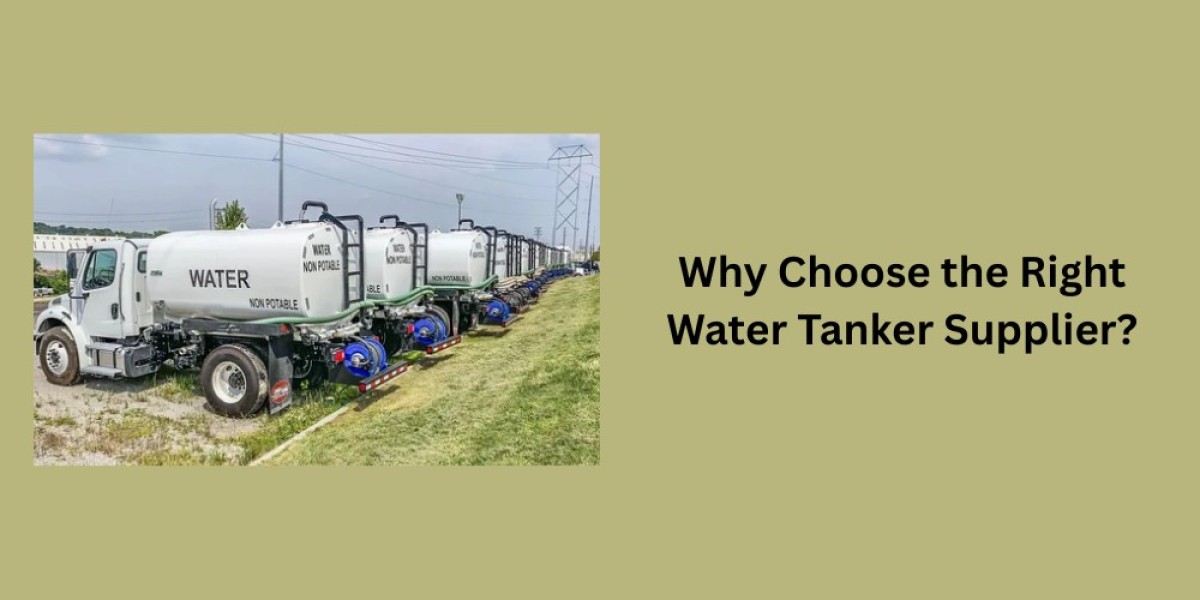


Reliable water supply is essential for residential communities, construction sites, industrial facilities, commercial properties, landscaping projects, and emergency requirements. When a location requires large quantities of water, depending on an unsuitable supplier can create operational delays, quality concerns, and unnecessary costs. Choosing the right water tanker supplier therefore plays an important role in maintaining a dependable and efficient water supply.
A professional supplier should offer more than simply delivering water in a tanker. The service should involve appropriate transportation equipment, reliable scheduling, responsible handling, clear communication, and solutions suited to the customer's requirements. Understanding the factors that influence supplier selection can help organizations make better decisions and maintain uninterrupted operations.
Understanding Water Tanker Supply Requirements
Before selecting a supplier, it is important to understand the specific water requirements of the project or facility. Different applications can require different quantities, delivery schedules, and tanker capacities.
Assessing Water Consumption
The required volume of water depends on factors such as property size, number of users, project activities, and duration of operations. Estimating consumption accurately can prevent both shortages and unnecessary deliveries.
Identifying Delivery Frequency
Some projects may require water every day, while others may only need occasional deliveries. A suitable supplier should be able to accommodate the expected schedule and adjust deliveries when requirements change.
Ensuring Reliable Water Delivery
Reliability is one of the most important factors when choosing a water tanker supplier. Delayed deliveries can interrupt construction activities, affect cleaning operations, disrupt landscaping, and create difficulties for facilities that depend on consistent water availability.
Maintaining Consistent Schedules
A dependable supplier should follow agreed delivery schedules and communicate promptly if circumstances affect transportation. Consistent scheduling allows customers to plan their operations more effectively.
Supporting Urgent Requirements
Unexpected water shortages can occur because of maintenance, increased consumption, or temporary supply interruptions. A supplier with flexible delivery capabilities can help customers respond to urgent requirements more efficiently.
Focusing on Water Quality
Water quality should always be considered when arranging tanker deliveries. The intended use of the water determines the quality requirements and handling standards that should be followed.
Suitable Water for Intended Applications
Water used for construction, cleaning, landscaping, industrial processes, or other purposes may have different requirements. Customers should clearly communicate the intended application and confirm that the supplied water is appropriate for it.
Proper Tanker Hygiene
The condition and cleanliness of tanker equipment can influence water quality. Tankers should be maintained and cleaned appropriately to reduce the risk of contamination during transportation.
Choosing the Appropriate Tanker Capacity
Water tankers are available in different capacities, and selecting an appropriate size can improve delivery efficiency. The right capacity depends on the amount of water required and the accessibility of the delivery location.
Matching Capacity With Demand
A tanker that is too small may require multiple trips, increasing delivery time and transportation requirements. A larger tanker may be more practical for projects with high water consumption.
Considering Site Accessibility
The size of the tanker should also match the physical conditions of the site. Narrow roads, restricted entrances, construction areas, and difficult access points may affect which tanker can safely reach the destination.
Evaluating Transportation Standards
Water transportation requires suitable vehicles, equipment, and handling procedures. Customers should consider whether the supplier maintains its tankers properly and follows appropriate transportation practices.
Maintaining Equipment
Well-maintained tankers can reduce the likelihood of mechanical problems and delivery interruptions. Regular inspection and maintenance can also contribute to safer transportation operations.
Supporting Safe Delivery
Professional drivers and trained personnel should understand safe tanker operation, site access procedures, and appropriate unloading practices. This helps minimize operational risks during delivery.
Considering Industry Experience
Experience can be valuable when selecting a water tanker supplier, particularly for projects with complex requirements. Experienced providers are more likely to understand different delivery environments and operational challenges.
Serving Different Sectors
A capable supplier may support construction projects, commercial properties, residential communities, industrial facilities, agricultural activities, and other applications. Experience across multiple sectors can demonstrate operational flexibility.
Understanding Project Requirements
Experienced service providers can often identify practical delivery considerations, such as tanker capacity, access restrictions, delivery frequency, and scheduling requirements. This can make the overall supply process more efficient.
Reviewing Service Flexibility
Water requirements can change quickly. Construction projects may enter different phases, businesses may experience seasonal demand, and properties may face unexpected supply requirements.
Adjusting Delivery Volumes
A flexible supplier should be able to accommodate changes in water volume when operational circumstances require them. This can help prevent interruptions caused by changing demand.
Managing Multiple Locations
Organizations operating across several sites may require deliveries to different locations. Suppliers capable of coordinating multiple destinations can simplify water procurement and reduce administrative effort.
Evaluating Pricing and Overall Value
Price is naturally an important consideration, but choosing a supplier based solely on the lowest rate may not always provide the best value. Delivery reliability, water quality, tanker capacity, and service standards should also be considered.
Understanding Pricing Structures
Customers should understand how charges are calculated and whether transportation, additional trips, emergency deliveries, or other services affect the total cost. Clear pricing can help organizations plan budgets more accurately.
Comparing Service Value
A slightly higher service cost may be justified if it provides better reliability, appropriate equipment, responsive communication, and consistent delivery. The goal should be to evaluate overall value rather than simply comparing the lowest quoted price.
Prioritizing Customer Communication
Effective communication contributes significantly to a smooth water delivery process. Customers should be able to communicate their requirements clearly and receive timely updates about scheduled deliveries.
Confirming Delivery Details
Important information such as delivery location, required quantity, preferred timing, access instructions, and site conditions should be confirmed before transportation. Accurate information can reduce misunderstandings and delays.
Providing Responsive Support
A responsive supplier should be available to address scheduling changes, delivery questions, and unexpected requirements. Good communication can make long-term service arrangements easier to manage.
Considering Safety and Compliance
Water tanker operations involve vehicles, large quantities of water, and potentially challenging delivery environments. Appropriate safety procedures should therefore be part of the service.
Following Operational Procedures
Suppliers should maintain suitable procedures for loading, transportation, positioning, and unloading. Proper practices help protect workers, customers, equipment, and surrounding areas.
Maintaining Appropriate Documentation
Depending on the application and local requirements, customers may need documentation related to water supply, transportation, or delivery. Clear records can support accountability and operational planning.
Supporting Sustainable Water Management
Responsible water use has become increasingly important as organizations seek to reduce waste and improve resource efficiency. A suitable supplier can support customers in planning deliveries according to actual consumption.
Reducing Unnecessary Deliveries
Accurate consumption planning can prevent excessive deliveries and reduce unnecessary transportation. Efficient scheduling may also help organizations manage costs and resource use more effectively.
Encouraging Responsible Consumption
Businesses and project managers can combine reliable tanker supply with water-saving practices. Monitoring usage, repairing leaks, improving storage, and using water efficiently can contribute to better resource management.
Building a Long-Term Supplier Relationship
For organizations with ongoing water requirements, developing a reliable supplier relationship can provide significant operational advantages. Consistent service can make planning easier and reduce the need to repeatedly search for alternative providers.
Improving Service Coordination
Long-term arrangements allow suppliers to understand a customer's regular requirements, preferred delivery times, site conditions, and expected volumes. This familiarity can contribute to smoother coordination.
Preparing for Future Demand
As projects expand or operational requirements change, water consumption may increase. A capable supplier should be able to scale services according to future requirements while maintaining consistent delivery standards.
Conclusion
Choosing the right water tanker supplier is an important decision for any organization that depends on delivered water. Reliability, water quality, tanker capacity, transportation standards, service flexibility, pricing, communication, and safety should all be considered before making a selection. Al Merzaam Environmental & Transport LLC offers professional water tanker solutions designed to support diverse operational requirements.
The right supplier can help maintain consistent water availability while reducing operational disruptions and improving delivery efficiency. Rather than focusing only on price, customers should evaluate the complete service and determine whether it matches their specific requirements. With dependable solutions from Al Merzaam Environmental & Transport LLC, businesses and projects can support smoother operations, better planning, and more effective water resource management.






