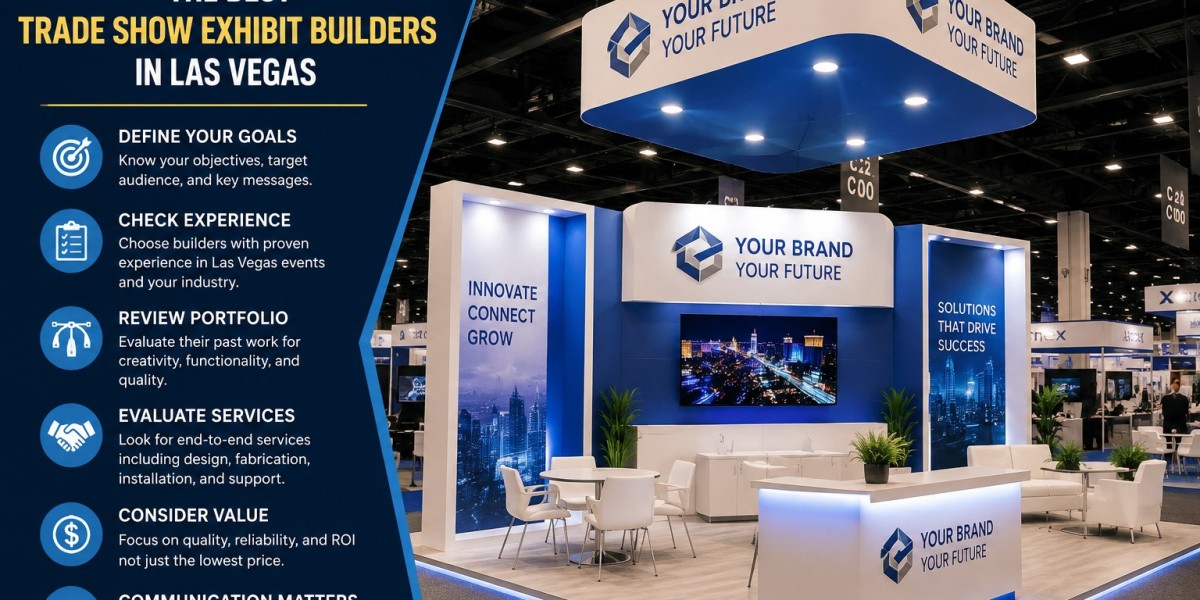


Trade shows remain an important way for businesses to meet potential customers, demonstrate products, strengthen industry relationships, and build brand visibility. However, creating an effective exhibition presence involves much more than selecting a booth design. Businesses must coordinate construction, graphics, furniture, lighting, transportation, installation, and many other details. A turnkey trade show booth can bring many of these requirements together through one coordinated solution. This approach can make trade show planning more manageable while allowing companies to focus more attention on marketing, sales, and visitor engagement. From saving time to improving project coordination, there are several reasons businesses consider turnkey exhibition solutions.
1. Simplifies the Entire Exhibition Process
One of the biggest benefits of a turnkey booth is convenience.
Without a coordinated solution, an exhibitor may need to work with multiple vendors. One company may handle design, another may manufacture the structure, another may print graphics, while separate contractors manage transportation, installation, furniture, and dismantling.
Each supplier has its own schedule and communication process.
Managing all these relationships can become difficult, particularly when the event deadline is approaching.
A turnkey provider can coordinate many of these requirements through one project.
The exhibitor still provides input and approves important decisions, but much of the execution can be managed by the booth team.
This creates a simpler workflow from the initial concept to the completed booth.
For busy marketing departments, reducing the number of moving parts can make a significant difference.
2. Saves Valuable Time
Trade show preparation can consume weeks or months.
Marketing teams may need to research vendors, request quotes, compare proposals, review booth designs, approve graphics, organize furniture, arrange shipping, coordinate installation, and track deadlines.
All of this takes time that could otherwise be spent on important marketing activities.
A turnkey approach can reduce the administrative workload.
Instead of contacting several different vendors for every requirement, the exhibitor can work primarily with one project team.
The booth provider can coordinate design, production, logistics, and installation according to the agreed schedule.
This gives internal employees more time to prepare for the actual event.
Marketing teams can focus on promotional campaigns.
Sales teams can prepare for customer conversations.
Product teams can organize demonstrations.
Management can schedule meetings with important prospects and partners.
The booth is still being developed, but the internal team is not required to manage every operational detail.
3. Creates Better Coordination
A trade show booth consists of multiple components that need to work together.
The structure needs to accommodate graphics.
Lighting needs to work with the layout.
Furniture needs to fit the available space.
Technology needs appropriate power and positioning.
Displays need to be installed in the correct locations.
When separate vendors handle each element, coordination becomes especially important.
A change in one area can affect several other components.
For example, changing the booth layout may require adjustments to graphics, furniture, electrical requirements, and transportation.
With a turnkey project, these changes can be managed through a centralized process.
The booth team can consider how one decision affects the rest of the exhibit.
This can reduce communication gaps and make the final result more cohesive.
4. Helps Create a Professional Brand Presence
A trade show booth represents the company in a highly competitive environment.
Visitors may walk past dozens of exhibitors during a single event.
A professional and well-organized booth can help a company stand out and communicate credibility.
Turnkey booth solutions allow branding, design, construction, graphics, lighting, and furniture to be considered as part of one overall concept.
This can produce a more consistent appearance.
The company's colors, logo, messaging, imagery, and product presentation can be incorporated into the booth design.
The goal should be to create a space that feels like a natural extension of the brand.
A strong physical presence can also make it easier for visitors to recognize the company from a distance.
Clear signage and well-designed graphics can communicate the company's primary message before a visitor even enters the booth.
5. Reduces Logistical Stress
Trade show logistics can be complicated.
Booth components need to be transported to the right location at the right time.
Furniture, graphics, displays, technology, and other materials may all need to arrive according to a specific installation schedule.
Venues can also have their own receiving procedures, labor rules, and move-in requirements.
For an exhibitor managing these responsibilities independently, logistics can become a significant source of stress.
A turnkey provider can coordinate transportation and installation as part of the larger project.
This means the logistics plan can be connected to the booth production and setup schedule.
When the booth arrives at the venue, the installation team can work from the approved design.
This coordinated approach can reduce the number of logistical details the exhibitor needs to manage personally.
6. Provides Professional Installation and Dismantling
The booth may look simple after it has been assembled, but installation can require significant experience.
Trade show venues often provide limited setup windows.
The booth needs to be constructed, graphics installed, lighting arranged, furniture positioned, and displays prepared before attendees arrive.
Trying to handle all of this internally can place unnecessary pressure on employees.
Professional installation support can make the process more efficient.
The installation team can work according to the approved booth plans and prepare the exhibit for opening day.
Dismantling is equally important.
After the event ends, the booth needs to be taken apart, packed, transported, stored, or prepared for another exhibition.
Having installation and dismantling coordinated through the same booth provider creates continuity throughout the project.
7. Allows the Team to Focus on Business Results
Perhaps the most important benefit of a turnkey solution is that it allows exhibitors to concentrate on why they are attending the trade show in the first place.
The booth itself is not the final objective.
The objective may be generating leads, meeting customers, launching products, building partnerships, increasing brand awareness, or creating sales opportunities.
When the booth logistics are handled by an experienced partner, internal teams can spend more time preparing for these activities.
Sales representatives can practice product presentations.
Marketing teams can promote the event.
Customer service teams can identify important clients to invite.
Executives can plan meetings with strategic prospects.
This shift in focus can make the exhibition experience more productive.
Turnkey Booths Can Support Different Exhibition Objectives
A major advantage of a coordinated booth solution is flexibility.
Different companies have different goals, so the booth should be designed accordingly.
A software company may need interactive screens and product demonstration stations.
A manufacturer may require large product displays and technical information.
A consulting firm may prioritize comfortable meeting areas.
A consumer brand may focus on product demonstrations, engagement, and visual branding.
The booth should be developed around these requirements rather than simply following a standard template.
A turnkey provider can work with the exhibitor to understand the objectives and translate them into a physical environment.
Better Use of Available Booth Space
Exhibition space can be expensive.
Every square foot should contribute to the visitor experience.
An effective booth layout balances branding, product displays, meeting areas, staff movement, storage, and visitor circulation.
A booth that is too crowded can make visitors uncomfortable.
A booth that is too empty may fail to communicate enough information.
Professional space planning can help find the right balance.
The design can create distinct zones for different activities while keeping the overall environment open and welcoming.
This can help visitors move naturally through the exhibit.
Graphics Can Improve Communication
Trade show graphics need to work quickly.
Visitors often have limited time to decide whether they want to stop at a booth.
The primary message should therefore be easy to identify.
Large-format graphics can communicate the company's name, product category, key benefit, or campaign message.
Additional graphics can provide supporting information.
The visual hierarchy should be clear so visitors know what to look at first.
When graphics are planned alongside the physical booth structure, they can be positioned more effectively.
This also helps ensure that dimensions and installation requirements are considered before production.
Technology Can Increase Engagement
Interactive technology can provide another way to attract and educate visitors.
Digital screens can display videos and presentations.
Touchscreens can allow visitors to explore products.
Interactive demonstrations can help explain complex solutions.
Lead-capture technology can also make it easier to collect information.
However, technology should support the booth's purpose.
A screen should not be included simply because it looks modern.
The technology should provide a useful experience for visitors.
When incorporated during the booth design stage, technology can be positioned strategically and integrated with the overall visitor journey.
Furniture Can Support Meaningful Conversations
Trade show marketing is ultimately about people.
Furniture can help create spaces where those conversations happen.
A reception counter can provide a clear point of contact.
Tables and chairs can support longer discussions.
Semi-private meeting spaces can provide additional privacy for important conversations.
The furniture should match the expected visitor behavior.
A booth focused on quick interactions may require minimal seating.
A booth designed for business consultations may need several meeting areas.
Good planning ensures that furniture supports the booth's objectives without taking up unnecessary space.
Storage Keeps the Booth Professional
Storage is another important practical consideration.
Trade show staff need places for brochures, promotional materials, personal belongings, product samples, and supplies.
Without storage, these items can quickly make the booth look untidy.
Storage can be integrated into counters, cabinets, walls, or dedicated rooms.
The best approach depends on the booth size and requirements.
By planning storage from the beginning, companies can maintain a clean and organized appearance throughout the event.
Turnkey Solutions Can Be Valuable for First-Time Exhibitors
Businesses attending their first major trade show may not know all the requirements involved.
There are venue regulations, shipping procedures, installation schedules, electrical requirements, graphic specifications, and service deadlines to consider.
A turnkey provider with exhibition experience can guide the company through these stages.
This can make the process less intimidating.
The business can concentrate on its products, messaging, and audience while the booth team handles many of the technical details.
For first-time exhibitors, this support can be particularly valuable.
They Can Also Help Frequent Exhibitors
Companies that participate in multiple events can benefit from consistency.
A turnkey provider can help create a repeatable exhibition process.
The booth can maintain consistent branding while being adapted for different event spaces.
Some components may be reusable.
Graphics and messaging can be updated for different campaigns.
Layouts can be modified according to booth size.
This can make future events easier to plan.
Over time, the company may develop an established workflow that reduces preparation time for each new exhibition.
What to Look for in a Turnkey Booth Provider
Choosing the right provider is essential.
Start by reviewing previous projects.
Look for experience with the type of booth you need and the kind of audience you want to reach.
Communication should also be evaluated.
The provider should clearly explain the design process, production timeline, approval stages, installation schedule, and post-event process.
Ask what is included in the package.
Do not assume that every service is automatically included simply because the solution is described as turnkey.
Discuss graphics, furniture, lighting, transportation, installation, dismantling, storage, and any venue-related requirements.
A detailed proposal can help prevent misunderstandings.
The Importance of Early Planning
Even with a turnkey provider, exhibitors should begin planning early.
Early planning gives the team more time to develop the design, make revisions, approve graphics, organize logistics, and prepare marketing materials.
It also provides more flexibility if unexpected changes occur.
Waiting until the last minute can limit design options and increase pressure on everyone involved.
A clear timeline should be established at the beginning of the project.
Important deadlines should be documented and communicated to all relevant team members.
How to Measure Trade Show Success
A successful booth should ultimately support measurable business goals.
Before the event, decide what success looks like.
This could include the number of qualified leads generated, product demonstrations completed, meetings scheduled, customer conversations held, or opportunities created.
After the show, review the results.
Compare the outcomes with your original objectives.
The booth is one component of the larger exhibition strategy, so it should be evaluated together with pre-show marketing, staff performance, visitor engagement, and post-show follow-up.
Final Thoughts
Investing in a turnkey solution can provide several practical advantages for businesses preparing for exhibitions. It can simplify project management, reduce internal workload, improve coordination, support professional branding, streamline logistics, and provide professional installation and dismantling. More importantly, a turnkey trade show booth can give businesses a structured way to turn their exhibition goals into a functional and engaging physical environment. By choosing a reliable provider, planning early, defining clear objectives, and designing around the visitor experience, companies can make their trade show participation more organized and focus their attention on the conversations, leads, relationships, and opportunities that make exhibitions worthwhile.









