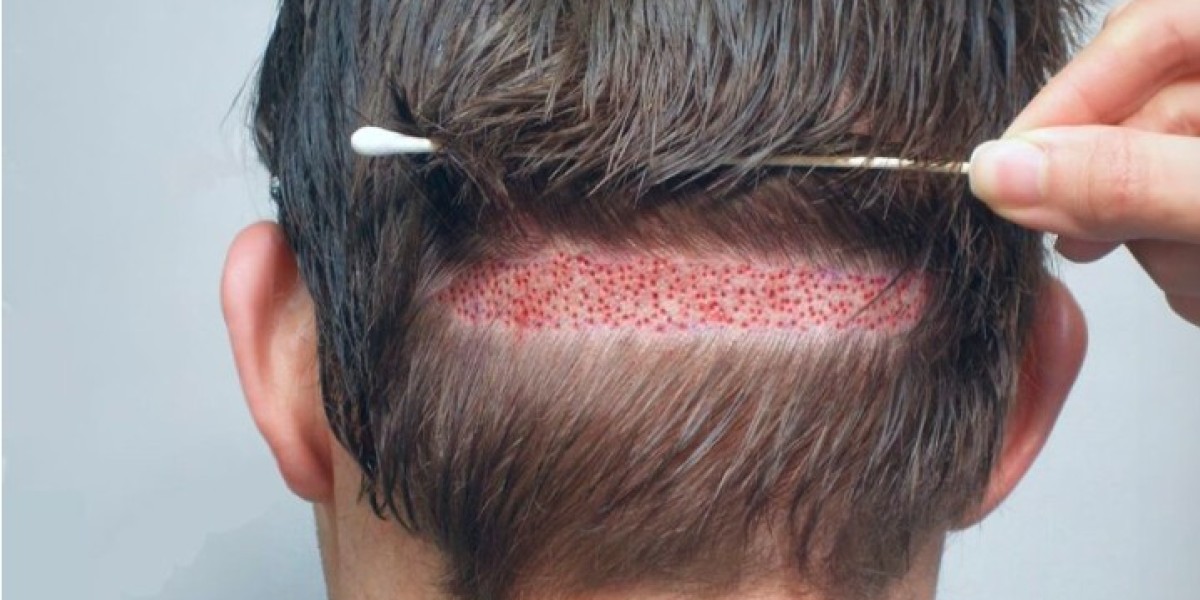


Hair Transplant in Lahore has become an increasingly considered option for Pakistani men and women dealing with receding hairlines, thinning hair, male-pattern baldness, and other forms of hair loss. The procedure involves moving healthy hair follicles from a donor area, usually the back or sides of the scalp, to areas where hair has become thin or absent. At Hair Transplant Pakistan, Dr. Burhan Ashraf provides personalized hair restoration plans based on the patient’s hair loss pattern, donor supply, expectations, and long-term goals.
Consultation Before the Procedure
A successful hair restoration journey begins with a detailed consultation. Dr. Burhan Ashraf assesses the scalp, donor area, hairline, density, and pattern of hair loss before recommending a suitable technique. This step is important because not every patient requires the same number of grafts or the same transplantation method.
Patients should discuss their expectations openly and provide information about previous hair-loss treatments, medications, and relevant medical history. A realistic treatment plan can then be developed to achieve a natural-looking hairline while preserving the available donor hair.
Dr. Burhan Ashraf has qualifications in dermatology and hair restoration, including FCPS Dermatology, MRCP UK, and certification from the American Board of Hair Restoration Surgery.
Choosing the Right Hair Transplant Technique
Different techniques may be appropriate depending on the patient’s condition. FUE, or Follicular Unit Extraction, involves extracting individual follicular units and placing them into carefully designed recipient areas. It is commonly selected by patients looking for a minimally invasive approach without a traditional linear donor scar.
FUT, or Follicular Unit Transplantation, involves removing a strip of donor tissue and separating it into individual follicular units for transplantation. It may be considered when a patient needs a larger number of grafts.
For selected patients with more advanced hair loss, Hybrid Hair Transplant in lahore combines FUE and FUT approaches. According to Hair Transplant Pakistan, the technique may help optimize donor resources and provide greater coverage in appropriate cases.
What Happens on the Procedure Day?
On the day of surgery, the treatment area is prepared and the planned hairline and recipient zones are carefully marked. Local anesthesia is generally used so the procedure can be performed comfortably.
The surgeon then extracts the selected follicles from the donor area, prepares the grafts, and places them into recipient sites according to the planned direction, angle, and density. Proper hairline design is particularly important because it helps the transplanted hair blend naturally with existing hair.
The exact procedure time varies according to the number of grafts and technique selected. Your surgeon should explain the expected duration during the consultation.
What to Expect Immediately After Hair Transplantation
Some redness, mild swelling, tightness, or small scabs can occur during the initial recovery period. These effects generally improve as the scalp heals. Hair Transplant Pakistan advises patients to follow individualized aftercare instructions, including appropriate scalp care and activity restrictions.
Patients should avoid scratching or rubbing the recipient area and should follow their surgeon’s instructions about washing the scalp. Sleeping with the head elevated may also be recommended during the first few nights.
Your doctor may advise avoiding strenuous exercise for approximately one week, depending on your individual recovery.
Hair Growth Timeline: Before and After Results
One of the most important things to understand is that transplanted hair does not become thick immediately. During the first few weeks, transplanted hairs may shed. This is commonly known as shock loss or shedding and does not necessarily mean the procedure has failed.
New growth can become noticeable after the early recovery period. Hair Transplant Pakistan states that growth may begin around one to three months, while more substantial density develops over subsequent months. Maximum visible density may take approximately nine to twelve months, although individual results vary.
Patience is therefore essential. Taking monthly photographs under similar lighting can help patients monitor gradual changes rather than judging the outcome too early.
Understanding Hair Transplant Cost in Lahore
The total hair transplant cost in Lahore varies from patient to patient. Factors can include the number of grafts required, the transplantation technique, the extent of hair loss, surgeon expertise, and additional treatments recommended as part of the restoration plan. Hair Transplant Pakistan specifically notes that graft requirements and the selected technique can influence the final price.
Rather than choosing a clinic solely because it advertises the lowest price, Pakistani patients should consider surgeon qualifications, treatment planning, hygiene standards, follow-up care, and the quality of previous results.
Why Choose Dr. Burhan Ashraf?
Dr. Burhan Ashraf specializes in hair restoration and dermatology and performs FUE, FUT, and Hybrid procedures. Hair Transplant Pakistan lists its clinic in Gulberg, Lahore, and provides personalized consultation and aftercare for patients undergoing hair restoration.
For Pakistani patients considering hair transplant in Pakistan, selecting a qualified surgeon and having realistic expectations are two of the most important steps. A carefully designed procedure should focus not only on adding grafts but also on creating a natural hairline and making effective use of the available donor supply.
Frequently Asked Questions
How long does it take to see hair transplant results?
Initial growth can take several months. More noticeable improvement generally develops gradually, with fuller results often assessed around nine to twelve months. Individual growth rates vary.
Is hair shedding after transplantation normal?
Yes. Transplanted hairs can shed during the early weeks after surgery while the follicles remain in place and enter a new growth cycle. Always discuss unexpected symptoms with your surgeon.
How do I know which technique is right for me?
The appropriate method depends on your donor area, degree of hair loss, hair characteristics, goals, and long-term treatment plan. A consultation with a qualified hair restoration surgeon is the best way to determine suitability.
Can women undergo hair transplantation?
Yes, selected women with suitable patterns of hair loss and adequate donor hair may be candidates. However, the underlying cause of hair thinning should first be evaluated.
How can I prepare for my procedure?
Follow your surgeon’s instructions regarding medications, smoking, alcohol, hair washing, and other pre-operative requirements. Avoid making changes to prescribed medication without medical advice.
Where can I arrange a consultation?
Hair Transplant Pakistan lists Dr. Burhan Ashraf’s clinic at Block B, 16-A, 3 Hali Road, Gulberg, Lahore. Patients can contact the clinic to discuss their individual hair loss concerns and treatment options.
Final Thoughts
A hair transplant is a long-term investment in appearance and confidence, so choosing the right surgeon and understanding the recovery timeline is essential. With proper assessment, realistic expectations, appropriate graft planning, and careful aftercare, patients can work toward natural-looking hair restoration. Dr. Burhan Ashraf and Hair Transplant Pakistan provide consultation-based treatment plans designed around each patient’s individual hair loss and restoration goals.