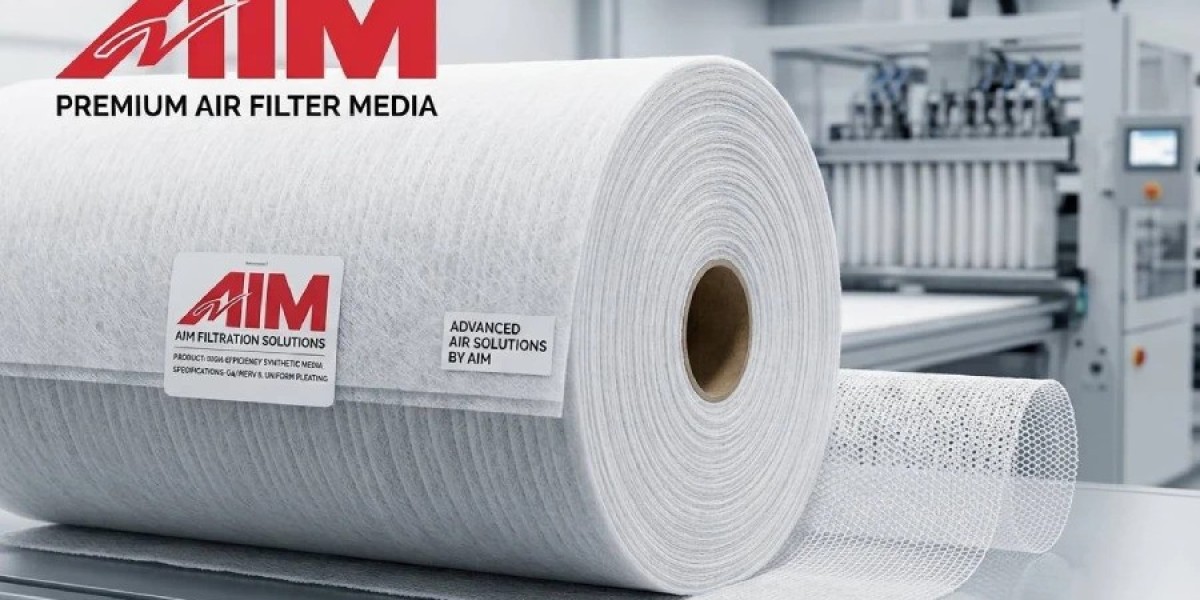


In the buying process of air filter media in bulk, the selection of an appropriate vendor becomes as critical as selecting the proper filtration material. The procurement agreement will often include huge amounts of goods, periodic deliveries, stringent demands, and high operating expenses. That is why companies have to look for more than just price while making a deal.
In case of requirement for filter media in HVAC systems, industrial air filters, cleanrooms, commercial buildings, manufacturing plants, or custom filtration, supplier evaluation will protect against any potential problems.
Here are some of the things that should be considered prior to signing the wholesale contract.
1. Define the Type of Air Filter Media
The first thing to do when choosing the right air filter media is to define the specific type of media needed in your system. Filter media can be made from various materials and intended for different filtration purposes.
Some common types of media include synthetic media, fiberglass media, polyester media, polypropylene media, activated carbon media, and special high-performance media. Each of them has some unique features in relation to particle trapping capabilities, airflow, dust holding, durability, moisture resistance or chemical resistance.
You are supposed to know the specification of the media your supplier recommends to you and ensure that they fit in your filtration system.
Before entering into a contract, make sure that you have the following details about the media:
Type of media material and construction
Efficiency of filtration
Resistance to airflow
Dust holding capacity
Thickness and dimension
Moisture or temperature resistance
Suitability for your system
This helps to minimize chances of getting wrong materials.
2. Inspect Filtration Efficiency and Performance
Price must never be the sole determining element when purchasing filter media wholesale. The first and foremost use of filter media is to effectively trap contaminants from the air at the same time providing adequate airflow.
Request performance information from the vendor. Depending on your application needs, you may have to obtain information about filtration efficiency, pressure drop, dust holding capacity, etc.
In the case of HVAC and industrial applications, poor filter media might lead to increased system resistance, reduced airflow, and the requirement for more frequent filter replacements. This would eventually result in additional expenses.
Performance data of a trustworthy vendor should be available instead of vague statements that lack supporting information.
3. Consider the Quality and Consistency of Material
Consistency is especially crucial for wholesale purchasers. The sample can have great performance; however, it should be proven that all production batches have consistent quality.
Make sure to know about the supplier's quality control procedures, material procurement, manufacturing process, and testing of batches. Try to obtain product samples prior to signing any contracts.
Look for consistency in:
Thickness
Density
Fiber structure
Dimensions
Permeability to air
Filtering efficiency
Surface characteristics
Mechanical strength
Consistent air filter material will enable manufacturers and filter producers to achieve reliable performance of the product.
4. Check Customization Capabilities
The size, thickness, roll width, roll length, etc. of filter media may differ from one filter system to another. Thus, suppliers who provide customizing services might turn out to be better than those offering standardized products.
When concluding the contract, find out whether the supplier will be able to produce or deliver filter media that meet your needs.
Talk about roll width, roll length, thickness, tolerances, packaging, and labeling. If you manufacture your own air filters, customized filter media dimensions will also help you cut material costs in production.
Ask the supplier to include all the necessary information about the specifications in the contract.
5. Assess Minimum Order Quantity
The wholesale purchasing of goods usually involves minimum order quantity (MOQ). Although large orders give favorable prices, they tend to raise inventory costs.
It is important that the MOQ set by the supplier corresponds to your needs and your inventory capabilities. Ordering more goods than needed leads to the accumulation of surplus stocks, which could be unnecessary because you may need to modify your specifications.
A good supply contract should always allow some room for maneuverability.
6. Study Lead Time and Delivery Performance
An affordable item is useless if delivery is constantly delayed. Delays in manufacturing due to the unavailability of filter media will cause problems with commitments.
Prior to the signing of a contract, consider discussing the following:
Typical production lead time
Order-processing lead time
Delivery schedule
Urgent/urgent orders policy
Delivery sites
Packaging requirements
Transportation issues
Delayed delivery handling
It would also be helpful to know how the wholesaler handles its demands. A good wholesale supplier has enough capacity in terms of production and inventory management.
7. Consider Total Cost, Not Only Unit Price
The quotation with the lowest cost does not necessarily represent the most cost-effective alternative. It is essential to calculate the total cost of acquiring and using the filter media.
This includes considering the cost of acquisition, transportation, packaging, storage, replacement rate, wastage, and filtration efficiency.
In other words, a relatively costly filter media with high dust retention and longer life expectancy may actually be more cost-effective compared to an inexpensive alternative that has a higher replacement rate.
In comparing the cost of suppliers, consider the total cost of ownership and not only the unit price.
8. Inquire Regarding Quality Certifications and Documentation
Documentation is an integral component of a professional supply chain. Based on the particular application and the market, you will need some test reports, certificate of analysis, technical data sheets, and other documents related to the quality.
Inquire the supplier regarding the documentation of each product.
A transparent supplier will be able to give precise details on the specifications of the products and the quality control process.
9. Know the Terms of Your Agreement and Replacement Policy
Do not forget the commercial terms of the purchasing agreement. The contract needs to be detailed on what will happen in case the delivered products fail to meet the required specifications.
Make sure that the contract includes provisions regarding:
Product quality
Inspection and acceptance
Defective materials
Replacement policy
Late deliveries
Changes in prices
Payments terms
Duration of the contract
Cancellation of orders
Confidentiality
Dispute settlement
10. Select a Reliable Long-Term Supplier
The relationship between the company and its wholesaler cannot be built on one good deal. Technical support, communication, manufacturing capability, reliability, and responsiveness are important factors in making a choice.
Companies that seek reliable sources of air filter media need to judge the suppliers according to their ability to provide the required technical capabilities and satisfy changing business needs.
aimfiltration is a supplier that specializes in providing filtration technologies and may become a candidate in case of search for an air filtration supplier. It goes without saying that there is no need to enter into any deals before considering all of the above factors.
Selecting an air filter media wholesaler contract is an important purchasing decision. The proper supplier will assist in maintaining constant filtration performance, keeping down operational costs, preventing production disruptions, and achieving business growth.
Before signing the contract, consider the media type, filtration performance, consistency of the material, ability to customize, MOQ, delivery time, overall cost, paperwork, and terms of the contract. Most importantly, ensure all relevant criteria have been put down in writing.
With a careful consideration of the supplier selection process, the purchasing decision becomes easier for the business.









