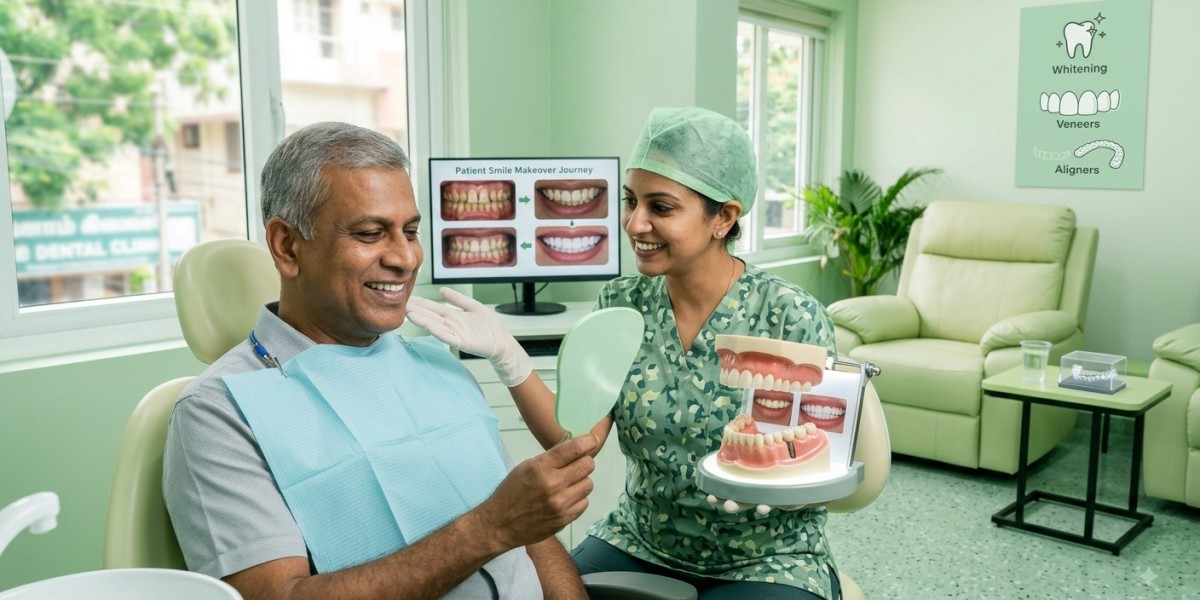


Understanding Clear Aligner Treatment
Orthodontic care has changed considerably with the development of discreet treatment options for improving the alignment of teeth. Clear aligners provide an alternative to conventional fixed braces for selected patients who want to correct certain alignment concerns while maintaining a less noticeable appearance.
Unlike traditional braces that use brackets and wires, clear aligners are removable trays designed to gradually move teeth into planned positions. Each set is customized according to the patient's dental structure and treatment objectives.
Anyone considering Invisalign in Anna Nagar should understand that successful orthodontic treatment begins with proper diagnosis and personalized planning. Clear aligners are not suitable for every dental condition, so professional assessment is essential.
How Clear Aligners Move Teeth
Clear aligners work by applying controlled and carefully planned pressure to specific teeth. A series of trays is typically prepared, with each tray designed to make small adjustments to tooth position.
As treatment progresses, patients move from one set of aligners to the next according to their treatment plan. The gradual process allows teeth to move progressively rather than being repositioned all at once.
The exact movement depends on factors such as:
• Existing tooth alignment
• Jaw and bite relationship
• Tooth shape and position
• Gum and bone health
• Treatment objectives
• Patient compliance
The treatment plan should therefore be developed after a comprehensive examination rather than based only on the desired appearance of the smile.
What Dental Concerns Can Be Addressed?
Clear aligners can be used for several orthodontic concerns, particularly selected mild to moderate cases. They may help improve the appearance and positioning of teeth when appropriate.
Potential applications include:
• Crowded teeth
• Gaps between teeth
• Mild spacing problems
• Certain crooked teeth
• Some minor rotations
• Selected bite irregularities
The suitability of clear aligners varies from person to person. More complicated tooth movements or significant bite problems may require other orthodontic approaches.
Why Patients Consider Clear Aligners
One of the most recognized benefits of clear aligners is their discreet appearance. The transparent trays are generally less noticeable than conventional metal braces, which can be appealing to teenagers and adults.
Other potential advantages include:
• Removable design
• Easier brushing and flossing
• Greater flexibility during meals
• Minimal visual impact
• Customized treatment planning
For people researching Invisalign in Anna Nagar, it is important to consider both the advantages and responsibilities associated with removable orthodontic appliances.
The Importance of Treatment Planning
Clear aligner treatment requires more than simply receiving a series of trays. A dental professional needs to evaluate the patient's overall oral health and determine whether the planned tooth movements are appropriate.
An assessment may include an examination of:
• Tooth alignment
• Bite relationships
• Gum condition
• Existing dental restorations
• Jaw structure
• Oral hygiene
Dental scans, photographs, and imaging may also be used when required. These records help create a treatment plan that considers both aesthetics and function.
What to Expect During Treatment
The treatment journey usually begins with an initial consultation and dental assessment. Once the treatment approach has been established, customized aligners can be prepared.
Patients generally receive instructions regarding how long to wear each aligner and when to progress to the next stage. Follow-up appointments allow the dental professional to monitor tooth movement and determine whether treatment is progressing as planned.
Treatment duration differs between individuals. Simple alignment concerns may require less time than complex cases. Consistent aligner use is an important factor in staying on schedule.
Daily Care During Clear Aligner Treatment
Because clear aligners are removable, maintaining good oral hygiene can be convenient. However, patients must take responsibility for cleaning both their teeth and aligners regularly.
Good habits include:
• Brushing teeth twice a day
• Cleaning between teeth
• Rinsing the mouth after meals when appropriate
• Cleaning aligners according to professional instructions
• Storing aligners safely when removed
• Attending scheduled dental reviews
Food particles and plaque trapped beneath an aligner can create an environment that increases the risk of tooth decay and gum problems. Oral hygiene should therefore remain a priority throughout treatment.
Eating and Drinking With Aligners
Removable aligners provide greater flexibility around meals compared with fixed orthodontic appliances. Patients can generally remove the trays before eating, allowing them to continue enjoying a varied diet.
After eating, maintaining appropriate oral hygiene before replacing the aligners is important. Water is generally preferable while aligners are being worn unless specific professional instructions state otherwise.
Patients should avoid exposing aligners to excessive heat because this may affect their shape and fit.
The Role of Patient Compliance
One of the key differences between removable and fixed orthodontic treatment is the level of responsibility placed on the patient. Clear aligners need to be worn according to the prescribed schedule to achieve the intended tooth movements.
Frequently removing the trays, forgetting to wear them, or progressing through aligners incorrectly may interfere with treatment.
Patients considering Invisalign in Anna Nagar should be prepared to make consistent aligner wear part of their daily routine.
What Happens After Active Treatment?
Orthodontic treatment does not necessarily end when the final aligner is completed. Teeth can naturally shift after treatment, particularly during the period immediately following active movement.
Retainers are commonly recommended to help maintain the achieved alignment. The type of retainer and recommended wearing schedule depend on the individual's treatment plan.
Following retention instructions is essential because maintaining results requires ongoing care.
Is Clear Aligner Treatment Suitable for Everyone?
Clear aligners may be appropriate for many teenagers and adults, but suitability depends on the patient's individual dental condition. Severe crowding, complex bite problems, certain tooth movements, or untreated oral health conditions may require alternative treatment.
A professional assessment can determine whether clear aligners are appropriate and whether any existing dental concerns should be addressed before orthodontic treatment begins.
Patients should also consider their ability to follow daily instructions, attend follow-up appointments, maintain oral hygiene, and care for their aligners properly.
Conclusion
Clear aligner treatment can provide a discreet and flexible approach to improving selected orthodontic concerns. However, achieving predictable results requires proper diagnosis, customized treatment planning, consistent aligner use, good oral hygiene, regular monitoring, and appropriate retention after active treatment. Thooya Oral Wellness supports patients with professional guidance based on individual dental requirements and treatment goals. For those considering Invisalign in Anna Nagar, a detailed consultation can help determine whether clear aligners are suitable and provide a clearer understanding of the treatment journey, daily responsibilities, and long-term care involved.