

When medicines, physiotherapy, and other non-surgical treatments do not provide enough relief, surgery may sometimes be considered.
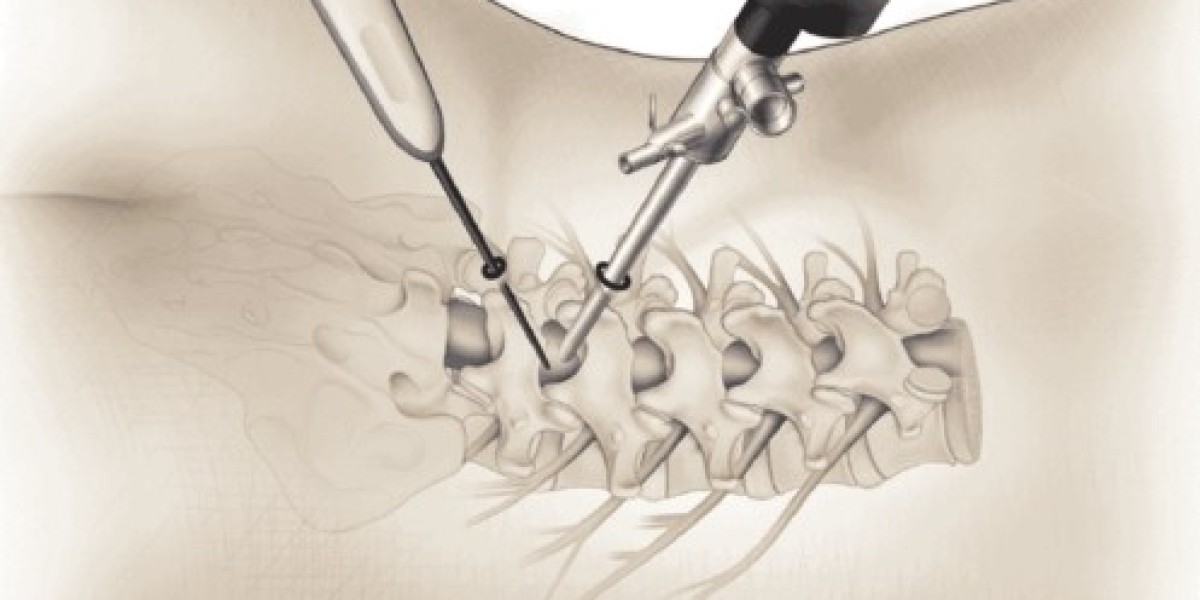
Endoscopic spine surgery Al Ain is a minimally invasive approach used to treat certain spinal conditions through a small incision. It uses a thin camera called an endoscope to help the surgeon see and treat the affected area of the spine.
This treatment approach is designed to reduce damage to nearby muscles and tissues compared with some traditional open spinal procedures. However, it is not suitable for every spinal problem. The right treatment depends on the condition, its severity, medical history, and the findings from scans and examinations.
What Is Endoscopic Spine Surgery?
Endoscopic spine surgery is a type of minimally invasive spinal procedure. Instead of making a large incision, the surgeon makes a small opening through which an endoscope and specialized surgical instruments are inserted.
The endoscope contains a small camera and light. It sends images of the treatment area to a monitor, allowing the surgeon to see the spine and surrounding structures.
Depending on the patient's condition, the procedure may be used to remove a small amount of bone, disc material, or other tissue that is pressing on a nerve. The goal is usually to reduce pressure on nerves and help improve symptoms such as pain, numbness, or weakness.
Because the incision is usually smaller than that used in traditional open surgery, there may be less disruption to surrounding muscles and soft tissues.
Why Is Endoscopic Spine Surgery Performed?
The spine contains many important structures, including bones, discs, nerves, muscles, and ligaments. Problems affecting these structures can sometimes cause significant pain and movement difficulties.
Endoscopic surgery may be considered when a specific spinal problem can be safely treated using a minimally invasive technique.
Common reasons for considering this type of surgery include:
- Herniated or slipped discs
- Nerve compression
- Sciatica caused by nerve pressure
- Certain forms of spinal stenosis
- Foraminal stenosis
- Some degenerative disc problems
- Selected cases of spinal arthritis
- Certain conditions causing persistent back or leg pain
Not every patient with these conditions needs surgery. Many spinal problems improve with conservative treatments such as physical therapy, medication, activity modification, and other non-surgical approaches.
Surgery is generally considered when symptoms continue despite appropriate treatment or when there is significant nerve compression or another condition that requires surgical management.
How Is the Patient Evaluated Before Surgery?
A careful evaluation is an important part of planning spine surgery. The doctor usually asks about symptoms, their duration, previous treatments, medical conditions, and how the problem affects daily life.
A physical examination may also be performed to assess:
- Muscle strength
- Reflexes
- Sensation
- Walking ability
- Range of movement
- Areas of pain or tenderness
- Signs of nerve irritation
Imaging tests can provide more information about the spine. An MRI is commonly used to examine discs, nerves, and soft tissues. X-rays may also be used to evaluate the bones and alignment of the spine. In selected situations, a CT scan may be recommended.
The results of these assessments help determine whether endoscopic surgery is appropriate.
Conditions That May Benefit From Endoscopic Treatment
Herniated Disc
A spinal disc has a soft inner part surrounded by a stronger outer layer. If part of the inner material pushes through a damaged area, it can irritate or compress a nearby nerve.
This may cause back pain, leg pain, tingling, numbness, or weakness. In some cases, an endoscopic procedure can remove the part of the disc that is pressing on the nerve.
Spinal Stenosis
Spinal stenosis occurs when the spaces around the spinal nerves become narrower. This can put pressure on the nerves.
Some people experience pain, numbness, or weakness in the legs, especially when standing or walking. Depending on the location and cause of the narrowing, an endoscopic procedure may be considered.
Sciatica
Sciatica describes pain that travels along the path of the sciatic nerve. It often starts in the lower back and can extend through the buttock and leg.
Sciatica can have different causes. When a herniated disc or another structural problem is compressing a nerve, surgery may sometimes be used to relieve that pressure.
How Does the Procedure Work?
The exact surgical technique depends on the patient's condition and the part of the spine being treated.
Before the procedure, the patient receives the appropriate anesthesia. The surgeon then makes a small incision in the skin.
The endoscope is carefully guided toward the affected area. A camera provides an enlarged view of the surgical site on a monitor.
Specialized instruments can then be passed through the working channel of the endoscope. Depending on the problem, the surgeon may remove disc material, bone, or other tissue that is causing nerve compression.
After the treatment is completed, the instruments are removed and the small incision is closed.
The procedure time can vary depending on the condition and the type of surgery required.
Benefits of Endoscopic Spine Surgery
One reason minimally invasive spine surgery is considered is that it may reduce disruption to tissues around the spine.
Potential benefits can include:
- Smaller skin incision
- Less disruption to surrounding muscles
- Reduced soft-tissue damage
- Less postoperative discomfort in some patients
- Smaller scar
- Shorter hospital stay in selected cases
- Earlier return to normal activities for some patients
However, these benefits can vary from one patient to another. Endoscopic surgery is still a surgical procedure and has potential risks.
The goal should not simply be to choose the smallest incision. The most appropriate procedure is the one that safely addresses the underlying spinal problem.
Are There Any Risks?
Like all surgical procedures, endoscopic spine surgery has possible risks and complications.
These may include:
- Infection
- Bleeding
- Nerve irritation or injury
- Persistent pain
- Recurrence of a disc problem
- Incomplete symptom improvement
- Spinal fluid leakage
- Blood clots, depending on the patient's circumstances
- Need for additional surgery
The level of risk depends on several factors, including the patient's general health, the location of the spinal problem, the type of procedure, and the complexity of the condition.
Patients should discuss potential complications and expected outcomes with their healthcare provider before making a treatment decision.
What Happens Immediately After Surgery?
Recovery after endoscopic spine surgery can be different for each person. Some patients may be able to walk relatively soon after the procedure.
The medical team monitors the patient after surgery and provides instructions about movement, medication, wound care, and activity.
Pain or soreness around the incision can occur during the first few days. Some patients may also notice that their nerve-related symptoms improve gradually rather than immediately.
It is important not to judge the final result too early. Nerves that have been compressed for some time may need a period to recover.
Endoscopic Spine Surgery Recovery Timeline
First Few Days
During the first few days, patients are usually advised to take adequate rest while avoiding prolonged bed rest unless specifically instructed.
Short and gentle walks may be encouraged depending on the procedure and the patient's condition.
The incision should be kept clean and monitored for signs of infection.
First Few Weeks
As recovery progresses, normal daily activities may gradually increase.
Patients may be advised to avoid heavy lifting, sudden twisting, intense exercise, or other movements that could place unnecessary stress on the spine.
The exact restrictions depend on the type of surgery and the patient's recovery.
Four to Six Weeks and Beyond
Many patients gradually return to more normal activities during this period, but recovery times vary.
Some people may require physical therapy to improve flexibility, strength, posture, and movement patterns.
Returning to sports, heavy physical work, or strenuous exercise should be based on medical advice rather than a fixed timeline.
Physical Therapy After Surgery
Physical therapy can be an important part of recovery for selected patients.
A physiotherapist may recommend exercises that focus on:
- Core strength
- Back and abdominal muscle control
- Flexibility
- Balance
- Posture
- Safe movement techniques
The exercises should be introduced gradually. Doing too much too soon can place unnecessary strain on the healing area.
A structured rehabilitation plan can also help patients understand how to move safely during daily activities.
Tips for a Safe Recovery
Following postoperative instructions can support a smoother recovery.
Some general recommendations include:
- Follow activity restrictions: Avoid lifting or movements that your healthcare provider has restricted.
- Walk as advised: Gentle movement may help maintain mobility when it is medically appropriate.
- Take prescribed medicines correctly: Use medications according to the instructions provided.
- Look after the incision: Keep the surgical area clean and follow wound-care instructions.
- Attend follow-up appointments: These visits allow the medical team to monitor healing.
- Follow physical therapy instructions: Perform recommended exercises consistently but avoid overexertion.
- Maintain healthy habits: Good sleep, balanced nutrition, and avoiding smoking can support general recovery.
When Should You Contact a Doctor After Surgery?
Patients should understand which symptoms require medical attention.
Contacting the medical team may be necessary if there is increasing redness, swelling, drainage, fever, severe or worsening pain, or other unusual symptoms around the surgical site.
New or worsening weakness, significant numbness, difficulty walking, or problems controlling the bladder or bowel should receive prompt medical assessment.
These symptoms do not always mean that a serious complication has occurred, but they should not be ignored.
Who May Not Be a Suitable Candidate?
Endoscopic spine surgery is not automatically appropriate for everyone with back or neck pain.
Certain complex spinal conditions may require a different surgical approach. Severe spinal instability, extensive deformity, certain tumors, infections, or problems affecting multiple spinal levels may require other forms of treatment.
The decision should be based on proper clinical evaluation and imaging rather than the desire for a minimally invasive procedure alone.
Endoscopic vs Traditional Spine Surgery
Traditional open spine surgery and endoscopic spine surgery have different approaches.
Open surgery generally involves a larger incision and greater exposure of the surgical area. Endoscopic surgery uses a smaller access point and a camera to visualize the treatment area.
Neither method is automatically better for every patient.
The appropriate technique depends on factors such as:
- The location of the spinal problem
- The type of condition
- Number of spinal levels involved
- Severity of nerve compression
- Spinal stability
- Previous spinal surgery
- Overall health
- The surgeon's assessment
A treatment plan should focus on safely addressing the actual cause of the symptoms.
Questions to Ask Before Endoscopic Spine Surgery
Patients can prepare for a consultation by asking clear questions about the proposed procedure.
Useful questions include:
- What is causing my symptoms?
- Do I actually need surgery?
- Is an endoscopic procedure suitable for my condition?
- What are the alternatives?
- What type of anesthesia will be used?
- How long will the procedure take?
- How long will I need to rest?
- When can I return to work?
- When can I drive?
- Will I need physical therapy?
- What complications should I watch for?
- What happens if the symptoms do not improve?
Understanding the treatment plan can help patients make an informed decision.
How to Prepare for Surgery
Preparation may begin several days or weeks before the procedure, depending on the patient's situation.
Patients should provide their healthcare team with information about current medications, allergies, previous surgeries, and existing medical conditions.
The healthcare provider may provide specific instructions about eating, drinking, medications, and arrival time before surgery.
It can also be helpful to arrange transportation and support at home, particularly during the first few days after the procedure.
Preparing the home in advance can make recovery more comfortable. Frequently used items can be kept within easy reach, and unnecessary bending or lifting can be avoided.
Long-Term Spine Health
Surgery can address a specific structural problem, but maintaining healthy habits can remain important after recovery.
Regular movement, appropriate strengthening exercises, good posture, healthy body weight, and safe lifting techniques may help support spinal health.
People who work at a desk should also avoid staying in the same position for very long periods. Taking regular movement breaks can help reduce stiffness.
Those involved in physically demanding work should learn safe lifting and movement techniques to reduce unnecessary strain.
Conclusion
Endoscopic spine surgery can be an option for selected spinal conditions when non-surgical treatments have not provided sufficient relief or when a structural problem requires surgical treatment. Its minimally invasive approach may reduce tissue disruption and can allow some patients to recover more quickly, although individual outcomes and recovery times vary.
A proper diagnosis is essential before choosing any spinal procedure. Imaging, physical examination, medical history, and symptom patterns all play a role in deciding whether surgery is appropriate. Patients should also understand the possible benefits, limitations, risks, and alternatives.
For patients considering treatment in Al Ain, discussing the available options with Dr. Hassan Seif can help clarify whether endoscopic spine surgery is appropriate for their particular condition and what they can expect during treatment and recovery.









