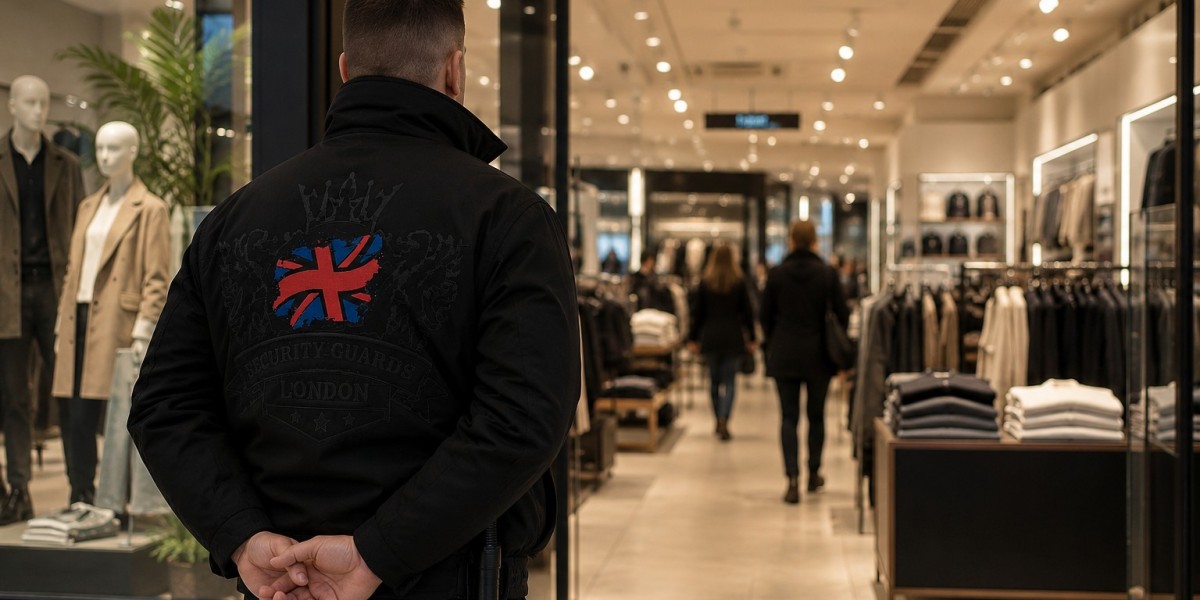


Retail security is no longer simply about placing a uniformed guard beside a shop entrance. Effective protection means understanding where losses occur, how people interact with the premises, and which measures can reduce risk without damaging experience.
Understanding the Retail Crime Problem
Retailers face theft, anti-social behaviour, aggressive incidents, unauthorised access and internal vulnerabilities. Shoplifting is particularly significant. Official figures recorded 529,994 police-recorded shoplifting offences in England and Wales in the year ending June 2025, an increase of 13% on the previous year. The same figures showed a sharp rise in robbery of business property.
Where Retail Premises Tend to Be Vulnerable
Security weaknesses are often created by normal retail activity. Busy entrances can make observation difficult. Stockrooms may have restricted visibility. Delivery doors create another access point. At closing time, fewer employees may be available while valuable stock remains inside.
A practical assessment should consider:
entrances, exits and emergency doors
high-value or frequently targeted merchandise
stockrooms and delivery areas
customer footfall at different times
previous incidents and recurring patterns
CCTV coverage and blind spots
opening and closing procedures
This helps determine where intervention is properly needed.
The Role of a Retail Security Guard
The value of a security officer is not limited to stopping a theft in progress. A professional presence can influence behaviour before an incident develops. Guards can monitor vulnerable areas, patrol, observe unusual activity, support staff and respond according to agreed procedures.
Security Guards London Limited takes this wider view of retail protection. Its SIA-licensed personnel are supported by hands-on management, with an emphasis on professionalism, discretion and customer service.
Visible Deterrence or Discreet Loss Prevention?
There is no universal answer to whether a retailer needs uniformed officers or plainclothes personnel. The choice depends on the problem being addressed.
Uniformed retail security can create an immediate visual deterrent. It may suit premises where the priority is reassurance, access monitoring and visible protection.
Loss prevention officers can take a more discreet approach. They may be useful where repeated theft, organised shoplifting or suspicious behaviour requires closer observation without making the security response obvious.
Some retailers can benefit from combining both. This can be particularly relevant for larger stores and high-footfall environments.
Why CCTV Works Better as Part of a Wider Strategy
CCTV can provide valuable information, but cameras do not physically intervene. Their strongest role is often achieved when monitoring, procedures and on-site personnel are connected.
For retailers, the question should therefore be less about CCTV versus guarding and more about how different controls work together.
Retail Security Across Different London Settings
Retail security London requirements can change considerably between premises.
High-street stores may need support around entrances, busy trading periods and closing routines. Shopping centre security London arrangements can involve several access points, shared spaces and coordination with centre management.
Supermarkets and larger units may require wider patrol coverage, stockroom protection and attention to external areas. Premium retailers can place greater importance on discretion, customer service and high-value goods.
A business in West London may have different access and footfall patterns from a central London retailer. Local conditions should form part of the assessment.
What SIA Licensing Means for Retailers
Businesses using contracted private security personnel should pay attention to licensing. Official guidance states that people carrying out licensable security activities under a contract for services may need the appropriate front-line SIA licence. Retail businesses can check an individual's licence through the official register.
For a retailer, this is an important due-diligence step. The right licence should match the role being performed. Training and licence requirements can also change, so responsible providers should keep personnel appropriately qualified.
Security Guards London Limited places SIA licensing at the centre of its guarding service and combines it with active management and operational oversight.
How to Choose the Right Level of Security
The number of guards required should not be based on guesswork. A useful decision considers property layout, trading hours, customer volume, previous incidents, stock value and existing security measures.
One retailer might require a visible officer during peak hours. Another may need continuous coverage, mobile patrols, CCTV monitoring or discreet loss prevention. The appropriate solution depends on risk rather than a fixed formula.
What to Expect From a Professional Security Provider
A dependable provider should offer more than a person in uniform. Retail managers should look for clear communication, appropriate SIA licensing, reliable attendance, responsive management and flexibility.
Security Guards London Limited has completed more than 368 projects across 132 areas and provides 24/7 support across Greater London. Its rapid deployment capability can allow personnel to be arranged within a few hours where requirements and availability permit.
Frequently Asked Questions
1. How quickly can retail security guards be deployed in London?
Security Guards London Limited can deploy personnel within a few hours where requirements and availability allow. This can help when a retailer needs urgent cover, temporary support or additional protection during a higher-risk period.
2. Are retail security guards required to have an SIA licence?
Yes, contracted security personnel carrying out licensable activities generally need the appropriate SIA licence. Retailers should verify that the licence matches the duties being performed and include this within supplier due diligence.
3. What is the difference between retail security guards and loss prevention officers?
Retail security guards normally provide visible deterrence, patrols and general protection. Loss prevention officers can work discreetly to identify theft patterns or suspicious behaviour. Depending on risk, retailers may use one approach or combine both.
4. Can retail security work alongside CCTV monitoring?
Yes, physical security and CCTV can complement each other. Cameras provide visibility and recorded information, while security officers provide an on-site presence and respond to situations according to agreed procedures.
5. Can retailers arrange short-term security cover?
Yes, short-term retail security can be considered for staff shortages, busy trading periods, specific incidents or temporary changes in risk. Duties and coverage should be agreed after assessing the premises and circumstances.
Making Retail Security a Risk Management Decision
The most effective retail security strategy is rarely the one with the most equipment or the largest number of guards. It is the one that addresses the weaknesses of the premises.
For London retailers, that means considering people, property, procedures and technology together. Security Guards London Limited can help businesses assess their requirements and develop a proportionate approach using SIA-licensed personnel, 24/7 support and hands-on management.
A structured assessment gives retailers a stronger starting point than assumptions.






