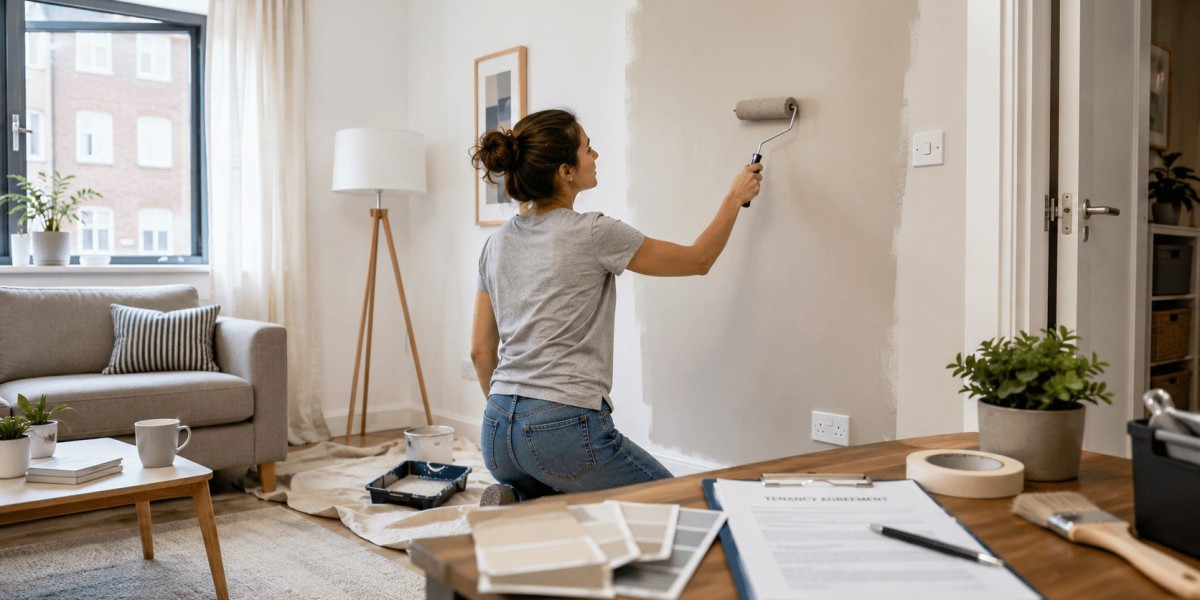


Painting is one of the simplest ways to make a property feel more like home. A fresh coat of paint can brighten a tired room, add some personality or simply make a rental feel more comfortable.
For private tenants in England, however, there is an important question to consider before picking up a paintbrush: do you have permission to change the walls?
The answer is not always straightforward. Your tenancy agreement, the type of property you rent and the extent of the proposed changes can all matter. Current guidance also distinguishes between ordinary decorating and more substantial improvements.
If you are considering repainting your rented home, taking a few minutes to check the rules first could prevent an unnecessary dispute later.
Start With Your Tenancy Agreement
The first place to look is your tenancy agreement or the written information provided for your tenancy.
Tenancy agreements can contain additional terms governing how a rented property may be used and what changes require the landlord's approval. There is no single standard tenancy agreement, so the wording can vary between properties.
Look for clauses referring to decorating, alterations, improvements, painting or changes to the property.
If the agreement specifically says that you need permission before painting, it is sensible to follow that requirement. Even where the wording is unclear, asking the landlord before making a significant change can be the safest approach.
Can You Paint Without Permission?
There is some variation in current guidance about how painting is treated, which is why checking the specific tenancy terms is important.
Shelter's current guidance says private tenants will usually need their landlord's permission to paint or redecorate, while its separate guidance on making improvements states that tenants do not usually need permission to decorate.
That apparent difference highlights an important point: tenants should not assume that every type of decorating is automatically permitted.
A landlord may be more concerned about a significant colour change, specialist finishes or work that could affect the condition of the property than they would be about ordinary day-to-day care.
If in doubt, ask.
Changing The Colour Can Be Significant
A tenant might consider painting a wall a different colour to be a minor change. From a landlord's perspective, however, it can affect the property's appearance and potentially create additional work when the tenancy ends.
For example, painting a neutral wall a very dark or unusual colour could mean that the landlord needs to repaint it before the next tenant moves in.
This does not necessarily mean that a landlord can automatically demand that every painted wall is restored. The circumstances and the tenancy terms matter. However, it does demonstrate why getting agreement before making a noticeable change is worthwhile.
What If The Walls Already Need Decorating?
The situation can be different if the property needs decorating because of disrepair. For example, if a leak has damaged a wall, the issue may be the landlord's responsibility to address rather than something a tenant should simply paint over.
Shelter notes that landlords may need to redecorate where damage results from repairs or problems such as leaks. If you notice damp, mould, water damage, peeling paint or another underlying problem, report it to your landlord or agent rather than attempting to conceal it with a fresh coat of paint.
Painting over a problem could make it harder to identify the cause and may not resolve the underlying issue.
What About Wallpaper?
Wallpaper can be more complicated than painting because removing it can potentially damage the surface underneath. If you want to wallpaper a room, particularly with a strong pattern or permanent adhesive, it is sensible to obtain written permission beforehand.
Consider explaining exactly what you want to do, including which rooms will be affected and whether you intend to remove the wallpaper before leaving. Having an agreed position in writing can make the situation much clearer if there is a disagreement later.
Could Decorating Affect Your Deposit?
Potentially.
Tenants are generally responsible for returning a property in an appropriate condition, taking fair wear and tear into account. However, unauthorised significant changes can lead to disputes.
Shelter's guidance states that a landlord may be able to make a deduction where a tenant has redecorated or made significant changes without consent. It also gives changing wall colour as an example of a significant change.
That does not mean a landlord can automatically charge whatever amount they choose. If there is a disagreement about a deposit deduction, the relevant tenancy deposit protection scheme may provide a dispute resolution process.
Keeping photographs of the property's condition when you move in and out can also provide useful evidence.
Get Permission In Writing
If your landlord agrees to you painting, try to get that agreement in writing before starting work. An email can be enough to create a clear record of what was agreed.
Ideally, the agreement should specify:
• Which rooms you can paint
• Which colours or finishes are acceptable
• Who will pay for materials
• Whether the walls need to be restored before you leave
• Whether any other conditions apply
This avoids relying on a verbal conversation that could later be remembered differently by either party.
What If The Landlord Says No?
If your landlord refuses permission, ask whether they can explain why.
They may have a legitimate concern about the proposed colour, the condition of the walls, future refurbishment plans or the type of finish you intend to use.
You could offer a compromise, such as using an agreed colour or undertaking to return the walls to their original condition when you leave. However, do not simply ignore a refusal if your tenancy agreement requires permission.
Keep The Property's Condition In Mind
Even when you have permission to decorate, the quality of the work matters.
Poor preparation, paint splashes, damaged surfaces or unsuitable products could result in additional problems. Use appropriate materials and follow instructions carefully.
If you are unsure whether a particular paint or decorating method is suitable for the surface, check with the landlord or manufacturer before proceeding.
The Safest Approach For Tenants
Painting your rental property can be a perfectly reasonable way to make your home feel more personal, but it is worth checking the rules before making changes.
Read your tenancy agreement, distinguish decorating from more substantial alterations, and ask your landlord for permission where the terms require it or where the proposed change is significant. Most importantly, keep any agreement in writing.
A few minutes spent getting clarity before you decorate could save considerably more time and money when your tenancy comes to an end.