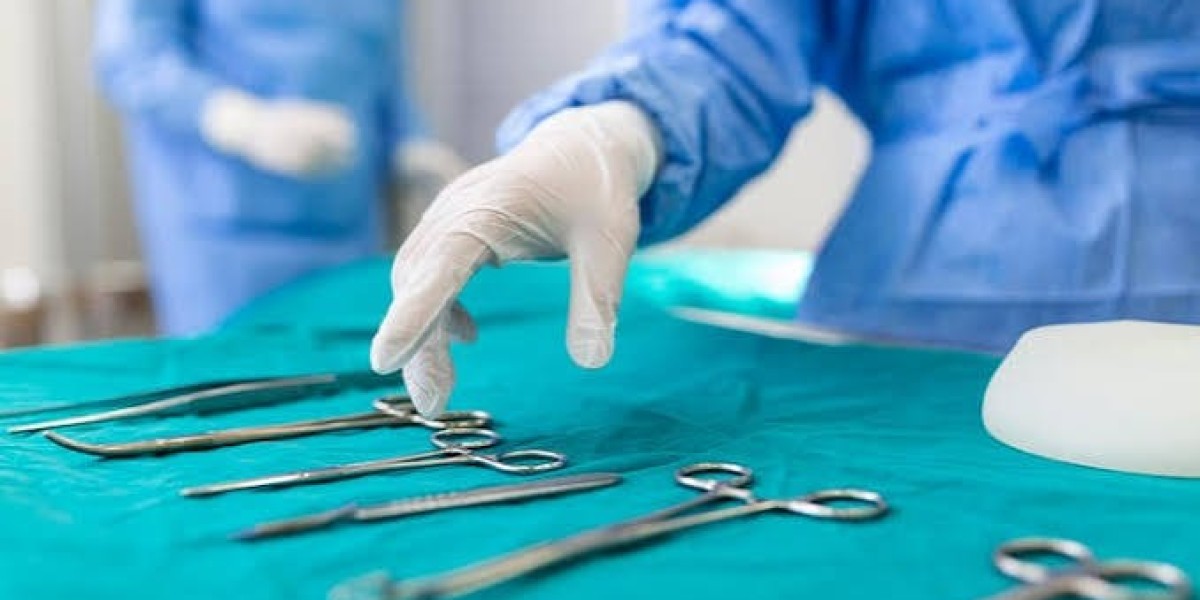


Surgical instruments are precision tools designed to help healthcare professionals perform procedures safely and efficiently. From cutting and grasping tissue to holding sutures and assisting with exposure, each instrument has a specific function.
Understanding surgical instrument names and uses is valuable for surgeons, operating-room staff, medical students, hospitals, clinics, and healthcare procurement teams. This guide explains the most common categories of surgical instruments, their typical applications, and important factors to consider when selecting them.
What Are Surgical Instruments?
Surgical instruments are specialized medical tools used during surgical and clinical procedures. They are generally manufactured from durable, corrosion-resistant materials, with stainless steel being widely used because it can withstand repeated cleaning and sterilization when properly maintained.
Different procedures require different instruments. A basic surgical set may include cutting instruments, grasping forceps, retractors, needle holders, clamps, and other specialized tools.
For buyers and healthcare facilities looking for a broader range, explore surgical instruments.
Main Types of Surgical Instruments
Surgical instruments can be organized according to their primary function. The main categories include:
Cutting and dissecting instruments
Grasping and holding instruments
Clamping and occluding instruments
Retracting and exposing instruments
Suturing instruments
Suction and fluid-management instruments
Specialized surgical instruments
Let's look at the common instruments in each category.
1. Surgical Scissors
Surgical scissors are designed for cutting tissue, sutures, dressings, and other materials encountered during medical procedures.
Different designs are available for different applications. Some scissors have straight blades, while others have curved blades. Blade configuration, length, sharpness, and construction can vary according to the intended procedure.
Common uses
Surgical scissors may be used for:
Cutting sutures
Dissecting tissue
Cutting dressings
Trimming surgical materials
Performing delicate tissue dissection
The correct scissors should be selected according to the procedure and material being cut.
2. Surgical Forceps
Forceps are handheld instruments used to grasp, hold, manipulate, or stabilize tissue and other materials.
They are available in many designs, including toothed and non-toothed configurations. Fine forceps can be used when precision is important, while stronger patterns may be appropriate for handling tougher tissue or materials.
Common uses
Surgical forceps can help with:
Holding tissue
Manipulating anatomical structures
Handling dressings or surgical materials
Assisting with suturing
Separating or stabilizing tissue during procedures
Because forceps come in numerous patterns, choosing the correct design is important for the intended application.
3. Needle Holders
A needle holder, also called a needle driver, is designed to securely hold a surgical needle during suturing.
The jaws are designed to provide controlled handling of the needle, allowing the operator to guide it through tissue during closure.
Common uses
Needle holders are commonly used for:
Holding suture needles
Guiding needles through tissue
Performing wound closure
Supporting precise suturing techniques
Different sizes and jaw configurations are available for different surgical applications.
4. Hemostatic Clamps
Hemostatic clamps are used to temporarily clamp blood vessels or other tubular structures during surgical procedures.
They are designed to provide controlled pressure and may be available in different lengths, jaw patterns, and configurations.
Common uses
Hemostatic instruments may be used for:
Temporary vessel occlusion
Controlling bleeding during procedures
Holding tissue or structures
Assisting with surgical dissection
Selection depends on the procedure and the anatomical structure being handled.
5. Retractors
Retractors are designed to hold tissue or organs away from the surgical field, helping provide visibility and access to the operative area.
Some retractors are manually held, while others are designed to maintain exposure with minimal continuous assistance.
Common uses
Retractors may be used to:
Improve visibility
Maintain surgical exposure
Hold tissue away from the operative field
Provide access to deeper anatomical structures
Retractor design varies considerably depending on the surgical specialty and area of the body.
6. Scalpel and Surgical Blades
Scalpels are cutting instruments used to make precise incisions in tissue. They typically consist of a handle and a compatible blade, although some designs integrate the blade and handle.
The appropriate blade shape and size depend on the procedure and the type of incision required.
Common uses
Scalpels are commonly associated with:
Making surgical incisions
Performing precise tissue cutting
Creating access to an operative site
Because cutting instruments are precision tools, appropriate handling and clinical protocols are essential.
7. Surgical Clamps
Surgical clamps are used to grasp, secure, compress, or temporarily control tissue and other structures.
Their designs differ depending on whether the instrument is intended for vascular control, tissue handling, or another specialized application.
Common uses
Surgical clamps can assist with:
Securing tissue
Temporary occlusion
Controlling structures during procedures
Holding surgical materials
8. Towel Clamps
Towel clamps are designed to secure surgical drapes or towels around the operative field.
They help keep the sterile field organized and can prevent drapes from moving during a procedure.
Their design and tip configuration vary depending on the intended application.
9. Suction Instruments
Suction instruments help remove blood, fluids, or other unwanted material from the operative field.
Maintaining a clear field can be important for visibility, particularly during procedures where fluid accumulation could interfere with the operator's view.
Different suction tips and systems are available for different clinical applications.
10. Surgical Probes and Directors
Probes and directors are used to explore anatomical structures, locate pathways, or guide other instruments during selected procedures.
Their shape and dimensions vary significantly depending on the intended application.
These instruments are particularly useful when controlled exploration or guidance is required.
Surgical Instrument Names and Uses at a Glance
| Instrument | Primary function |
|---|---|
| Surgical scissors | Cutting and dissection |
| Surgical forceps | Grasping and tissue manipulation |
| Needle holder | Holding and controlling suture needles |
| Hemostatic clamp | Temporary clamping and hemostasis |
| Retractor | Maintaining surgical exposure |
| Scalpel | Making precise incisions |
| Surgical clamp | Securing or controlling structures |
| Towel clamp | Securing surgical drapes |
| Suction instrument | Removing fluids from the operative field |
| Probe/director | Exploration and guidance |
How to Choose the Right Surgical Instruments
Choosing surgical instruments should involve more than simply looking at the instrument's name. Healthcare facilities and professional buyers should consider several factors.
1. Intended application
The instrument should match the procedure and clinical task for which it will be used.
2. Material and construction
Quality materials and appropriate manufacturing processes can contribute to durability, corrosion resistance, precision, and service life.
3. Instrument design
Handle design, jaw configuration, blade geometry, length, weight, and working end should be appropriate for the intended application.
4. Precision and finish
Precision manufacturing is particularly important for instruments that require accurate cutting, grasping, clamping, or suturing.
5. Cleaning and sterilization requirements
Reusable instruments should be compatible with the cleaning, disinfection, and sterilization processes specified by the healthcare facility and instrument manufacturer.
6. Supplier reliability
Hospitals, clinics, distributors, and procurement teams should evaluate a supplier's product range, manufacturing standards, quality-control processes, documentation, and ability to meet their purchasing requirements.
Why Instrument Quality Matters
Surgical instruments are used in environments where precision and reliability matter. Poorly manufactured or improperly maintained instruments can affect handling, performance, and workflow.
For this reason, healthcare organizations should establish appropriate purchasing, inspection, cleaning, sterilization, storage, and maintenance procedures for reusable instruments.
Surgical Instruments for Different Medical Specialties
Not every surgical specialty uses the same instruments. Specialized procedures often require instruments designed around particular anatomical structures and clinical techniques.
For example, dental professionals use specialized tools designed for oral and dental procedures. You can explore dental instruments for a dedicated range of instruments.
Ophthalmic procedures require instruments designed for the specialized anatomy of the eye and the precision involved in ophthalmic surgery. See the ophthalmic instruments collection for more information.
Surgical Instruments Manufacturer and Supplier Considerations
For hospitals, clinics, distributors, and international buyers, selecting a suitable supplier is an important part of procurement.
A potential surgical instruments manufacturer should be evaluated based on factors such as:
Product range
Manufacturing capabilities
Quality-control procedures
Material specifications
Instrument precision
Customization capabilities
Packaging and documentation
Export and distribution experience
Customer support
Buyers with specific requirements can contact Mizon International to discuss available products and purchasing needs.
Proper Care of Surgical Instruments
Proper care can help maintain the performance and condition of reusable surgical instruments.
Healthcare facilities should follow the instrument manufacturer's instructions and their own approved protocols for:
Point-of-use handling
Cleaning
Inspection
Disinfection and sterilization
Drying
Storage
Routine maintenance
Instruments should also be inspected for damage, corrosion, alignment problems, or other issues before use.
Frequently Asked Questions
What are the most common surgical instruments?
Common surgical instruments include scissors, forceps, needle holders, clamps, retractors, scalpels, probes, and suction instruments. The exact instruments required depend on the procedure and specialty.
What are surgical forceps used for?
Surgical forceps are primarily used to grasp, hold, manipulate, or stabilize tissue and other materials during procedures. Different forceps patterns are designed for different applications.
What is a needle holder used for?
A needle holder is designed to securely hold a surgical needle during suturing, allowing the operator to control and guide the needle during tissue closure.
What are retractors used for?
Retractors help hold tissue or organs away from the operative area to improve visibility and access to the surgical field.
How do I choose surgical instruments?
Consider the intended clinical application, instrument design, material, precision, size, cleaning and sterilization requirements, and the reliability of the supplier. Instruments should be selected by appropriately qualified healthcare professionals according to the procedure and applicable protocols.
Conclusion
Understanding surgical instruments names and uses makes it easier for healthcare professionals, students, procurement teams, and medical buyers to distinguish instruments according to their functions.
From scissors and forceps to retractors, clamps, needle holders, and specialized instruments, each tool is designed for a particular purpose. The right selection depends on the procedure, clinical requirements, instrument design, quality, and appropriate maintenance.
If you are researching surgical instruments for a hospital, clinic, distribution business, or other professional application, explore Mizon International's range of surgical instruments and related dental instruments and ophthalmic instruments. For specific product or purchasing inquiries, you can contact Mizon International.






