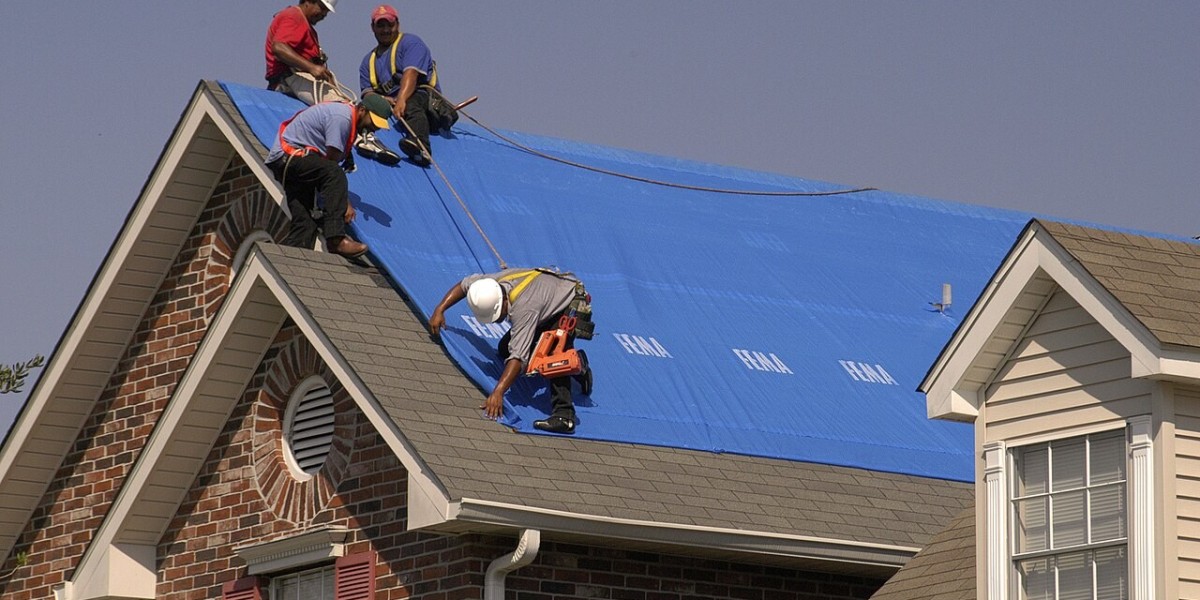


A roof protects your home from rain, wind, heat, and other outdoor conditions. A well installed roof also supports the comfort, safety, and value of your property. When you need a new roof, choosing the right roof installation service can make a major difference in the long term.
Roof installation services involves more than placing new shingles over a roof deck. The process includes inspecting the structure, selecting suitable roofing materials, preparing the surface, installing protective layers, and checking the finished roof. Proper work helps prevent leaks and reduces the risk of early roof damage.
Homeowners in Louisville, KY, face different weather conditions throughout the year. A reliable roofing system needs to handle rain, strong winds, temperature changes, and seasonal storms. A local roofing contractor can recommend materials and installation methods that suit these conditions.
When You Need a New Roof?
Many homeowners wait until a roof develops a serious leak before considering replacement. Small warning signs can appear much earlier. Missing or damaged shingles, water stains on ceilings, visible roof wear, and repeated repairs can point to a larger roofing problem.
The age of the roof also matters. Asphalt shingle roofs often last for many years, but their service life depends on material quality, installation, ventilation, maintenance, and weather exposure. A professional roof inspection can help determine whether repairs can solve the problem or whether a full roof replacement makes more sense.
Homeowners should also consider replacement after major storm damage. Strong winds can loosen shingles and expose parts of the roof to moisture. Hail can damage roofing materials even when the damage looks minor from the ground.
What Professional Roof Installation Includes?
A quality roof installation follows a planned process. The roofing team first checks the existing roof and underlying structure. Damaged areas may require repair before new materials go on the roof.
The crew then prepares the roof deck. This surface needs to remain clean, stable, and dry. A damaged deck can affect the performance of the entire roofing system.
Protective materials also play an important role. Underlayment helps provide another layer of protection beneath the shingles. Flashing helps direct water away from areas such as chimneys, vents, walls, and roof edges. Proper ventilation helps control heat and moisture in the attic.
The final step involves installing the selected roofing material according to the manufacturer's requirements. Professional installers also inspect the roof after installation to identify loose materials, exposed fasteners, poor flashing, or other problems.
Choosing the Right Roofing Materials
Roofing materials affect the appearance, durability, maintenance needs, and cost of a new roof. Asphalt shingles remain a common choice because they offer a practical balance of cost and performance.
Metal roofing provides another option for homeowners who want a durable roofing system. Metal roofs come in several styles and finishes, so they can suit different home designs.
Other materials include wood shingles, synthetic roofing products, clay tiles, and concrete tiles. Each option has different installation requirements and maintenance needs. Your home's structure, roof design, budget, and local weather should guide the decision.
A roofing contractor can explain the differences between materials and help you select an option that fits your property instead of recommending the same product for every home.
Why Proper Installation Matters?
Roofing materials can perform well only when installers use the correct methods. Poor installation can create problems even when the materials themselves have a long expected service life.
Improper flashing can allow water to enter around roof openings. Incorrect shingle placement can expose vulnerable areas to wind and rain. Poor attic ventilation can contribute to moisture buildup and affect the roof structure.
Professional installation also helps protect manufacturer warranties. Many roofing products require installation according to specific instructions. Following those requirements gives homeowners greater confidence in the finished system.
Two important factors deserve special attention:
- Roof ventilation: Proper airflow helps manage heat and moisture in the attic and supports the life of the roofing system.
- Flashing and water control: Correct flashing around roof openings and edges helps guide water away from vulnerable areas.
Roof Installation Cost
The cost of roof installation depends on several factors. Roof size, design, material, labor, existing roof condition, and structural repairs can all affect the final price.
A simple roof with a standard asphalt shingle system usually requires less labor than a large roof with multiple angles, dormers, skylights, or other features. Premium roofing materials can also increase material and installation costs.
Homeowners should request a detailed estimate before work begins. The estimate should explain the roofing material, labor, removal of existing materials, disposal, underlayment, flashing, ventilation, and any expected structural repairs.
The lowest estimate does not always represent the best value. A contractor who skips important preparation or uses poor installation methods can leave you with repair costs later.
How to Select a Roof Installation Contractor?
Roof installation contractor you choose has a direct effect on the quality of your new roof. Start by looking for an established roofing company with experience in residential roof installation.
Ask about licensing, insurance, workmanship warranties, and manufacturer requirements. You can also request references or examples of completed roofing projects.
A professional contractor should communicate clearly about the work. The company should explain what the project includes, how long the installation should take, what materials it will use, and how it will handle unexpected problems.
A written contract also protects both sides. It should describe the scope of work, payment terms, materials, warranty information, and other important project details.
Preparing Your Home for Roof Installation
Roof installation can create noise and activity around your property. Homeowners can prepare by moving fragile items away from walls and securing outdoor furniture and decorations.
Children and pets should stay away from the work area. Roofing materials, tools, and debris can create safety risks during installation.
Your contractor may also provide specific preparation instructions. Following those instructions can help the project move smoothly and reduce the chance of property damage.
Roof Maintenance After Installation
A new roof still needs regular care. Homeowners should keep gutters clear so rainwater can flow away from the roof and foundation. Tree branches should also stay trimmed away from the roofing surface.
A roof inspection can help identify small problems before they become larger repairs. Inspections become especially useful after severe weather.
Attic checks can also reveal signs of roof problems. Water stains, damp insulation, mold growth, or unusual moisture can indicate a leak or ventilation issue.
Benefits of Professional Roof Installation
Professional installation gives homeowners a roofing system designed and installed for the specific property. Experienced installers understand how different roofing materials work with roof slopes, flashing details, ventilation systems, and local weather conditions.
Proper installation can also reduce the need for premature repairs. A roof that receives careful preparation and installation has a better chance of delivering dependable protection for many years.
Homeowners also gain a clearer understanding of the roofing system. A good contractor can explain maintenance requirements and point out areas that may need attention in the future.
Conclusion
A dependable roof starts with proper planning, suitable materials, careful preparation, and skilled installation. Homeowners should compare roofing options, review written estimates, and choose a Roof contractors near you with experience in roof installation service.
For homeowners in Louisville, KY, and surrounding areas, Kentuckiana Home Solutions is the best company for professional roofing services. The company can help homeowners with roof installation and related roofing needs while providing service suited to local properties.
FAQs
1. How long does roof installation take?
Most residential roof installations can take several days, depending on roof size, design, weather, material, and the condition of the existing roof. Your contractor can provide a more accurate timeline after inspecting the property.
2. Can I install a new roof over my old shingles?
Some roofs can support another layer of shingles, but this option depends on local building requirements, the existing roof condition, and the roofing material. A professional inspection can determine whether roof replacement or another approach makes sense.
3. How do I know if I need roof repair or replacement?
Small, isolated problems may require only repairs. Widespread damage, an aging roof, repeated leaks, or extensive shingle deterioration can indicate that replacement offers a better long term solution.
4. What roofing material should I choose?
Asphalt shingles work well for many homes and offer a practical balance of cost and performance. Metal, tile, and other materials can also work well. Your roof design, budget, home structure, and maintenance preferences should guide the choice.
5. Should I replace my roof after a storm?
A professional roof inspection can identify storm damage that may not be visible from the ground. Missing shingles, damaged flashing, dents, and exposed roofing areas can allow water to enter the home.
6. How often should I inspect my roof?
Homeowners should inspect their roofs regularly and schedule an inspection after major storms. Regular checks can help identify damaged shingles, blocked drainage, flashing problems, and other issues before they become costly repairs.









