

Introduction
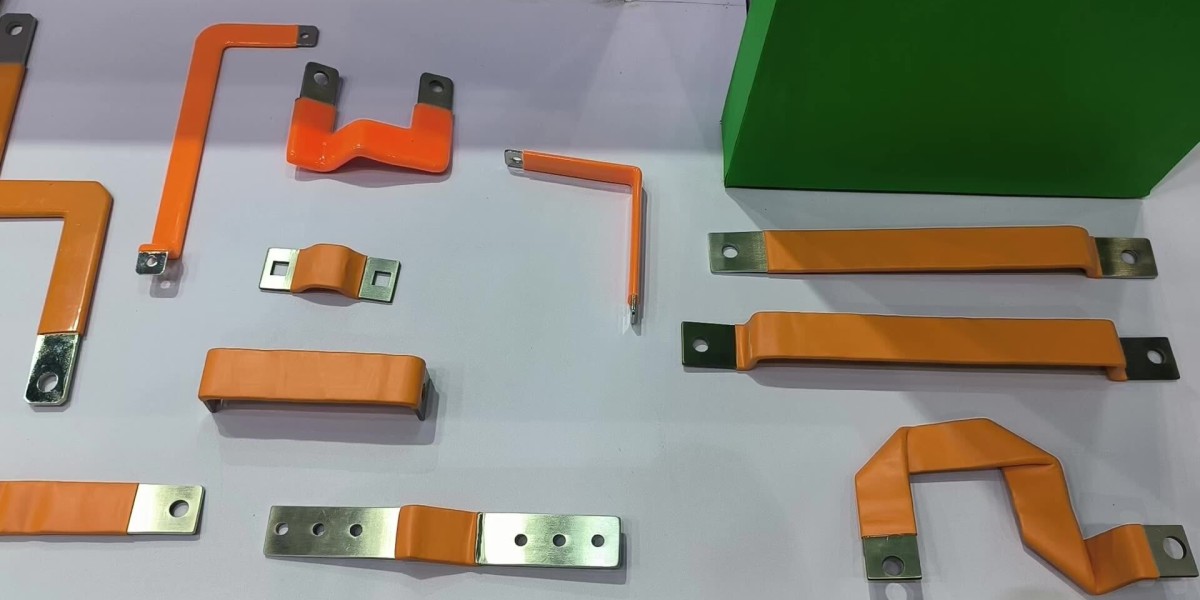
The laminated busbar market opportunities are expanding as industries increasingly adopt electrified equipment, advanced power electronics, renewable energy systems, and high-capacity battery technologies. Laminated busbars provide a compact method of distributing electrical power by combining conductive layers with insulating materials into an integrated assembly.
Their ability to carry substantial electrical loads while occupying relatively limited space makes them attractive for applications where conventional wiring may create challenges. Custom dimensions, conductor arrangements, terminals, and insulation structures can also be developed according to individual equipment requirements.
These characteristics are opening opportunities across transportation, energy, manufacturing, telecommunications, and other sectors undergoing electrical transformation.
Electric Mobility Creates Major Opportunities
Electric mobility represents one of the strongest application areas for laminated busbars. Electric vehicles require high-current electrical pathways connecting batteries, inverters, motors, charging systems, and other power components.
Vehicle manufacturers are increasingly focused on improving power density while reducing weight and optimizing internal space. Laminated busbars can support these objectives by replacing complicated cable arrangements with compact, application-specific structures.
The opportunity extends beyond passenger cars. Electric buses, trucks, delivery vehicles, warehouse equipment, construction machinery, and specialized industrial vehicles can require similar electrical distribution technologies.
As vehicle electrical architectures become more sophisticated, manufacturers may also demand busbars capable of supporting sensing, shielding, thermal management, and other integrated functions.
Battery Energy Storage Opens New Markets
The growth of battery energy storage provides another significant opportunity. Energy storage systems require reliable connections between battery modules, power conversion units, protection equipment, and control systems.
Laminated busbars can be designed around specific module configurations, helping manufacturers optimize electrical pathways within storage equipment.
Thermal performance is especially important in battery applications. High currents and repeated operating cycles can generate heat, making appropriate conductor sizing and insulation selection essential.
Suppliers that can combine compact designs with reliable thermal and electrical performance may find opportunities in residential, commercial, industrial, and larger energy storage applications.
Renewable Energy Equipment
Renewable power systems are creating additional opportunities for laminated busbar suppliers. Solar and wind installations rely on inverters, converters, switchgear, and power management equipment to control electrical energy.
These systems can contain multiple high-current connections within relatively compact enclosures. Laminated busbars can help organize these connections while allowing manufacturers to customize the component according to the equipment layout.
The combination of renewable generation and battery storage is also creating more complex electrical architectures. This can increase demand for efficient internal power distribution solutions.
Industrial Automation And Robotics
Industrial automation provides another promising application area. Modern manufacturing facilities increasingly rely on robotics, automated machinery, motor drives, control systems, and electrically powered production equipment.
Laminated busbars can reduce cable complexity and provide repeatable electrical connection structures. This can support cleaner equipment layouts and potentially simplify manufacturing processes.
The development of automated factories may also encourage demand for customized busbars designed specifically for robotic systems, high-power drives, and specialized production machinery.
Charging Infrastructure
The expansion of electric vehicle charging infrastructure creates an emerging opportunity. High-power charging equipment must manage substantial electrical currents within compact cabinets and assemblies.
Laminated busbars can provide organized power distribution while accommodating customized terminal arrangements and conductor dimensions.
Fast-charging applications can also place greater emphasis on thermal management. Manufacturers capable of developing busbars that address current density and heat dissipation requirements may benefit as charging networks expand.
Power Electronics
Advanced power electronics is another important opportunity area. Inverters, converters, motor drives, power supplies, and charging systems require carefully engineered electrical pathways.
Laminated busbars can provide controlled conductor arrangements and compact connections. This can be valuable where electrical performance, electromagnetic characteristics, and thermal behavior are important.
The continued evolution of power semiconductor technology may therefore encourage demand for increasingly specialized busbar designs.
Data And Telecommunications Infrastructure
High-performance digital infrastructure also creates potential opportunities. Data centers and telecommunications equipment require reliable power distribution to support computing, networking, cooling, and backup systems.
Space efficiency is particularly important in these environments because equipment density continues to increase. Compact electrical distribution components can help designers organize power connections within constrained cabinets and systems.
As data infrastructure expands, demand for dependable and space-efficient electrical components may create additional application possibilities.
Customized Engineering Becomes A Growth Opportunity
Customization can provide an important competitive advantage. Customers may require specific conductor thicknesses, dimensions, mounting holes, terminals, bends, insulation materials, and electrical configurations.
Manufacturers that offer engineering support can work with customers during the early design stage. This collaboration can help optimize the busbar around the entire system rather than adapting the component afterward.
Rapid prototyping can also help shorten development cycles and allow customers to evaluate specialized designs before committing to larger production volumes.
Manufacturing Technology Creates New Possibilities
Manufacturing innovation is another opportunity. Laminated busbar production involves several processes, including conductor preparation, bending, plating, insulation placement, lamination, bonding, drilling, and inspection.
Automation can improve production consistency and support high-volume manufacturing. Digital design and production systems can also make customized configurations easier to manage.
Companies that successfully combine automated production with flexible engineering may be able to serve both high-volume and specialized applications.
Material And Thermal Innovation
Material development provides opportunities for differentiation. Copper and aluminum offer different combinations of electrical conductivity, weight, mechanical properties, and cost.
Advanced insulation materials can improve dielectric performance and thermal resistance. Manufacturers can also explore optimized conductor geometry to improve current capacity and heat management.
The ability to deliver better performance without substantially increasing size or weight could create valuable opportunities in transportation and energy applications.
Challenges To Opportunity Conversion
Although opportunities are expanding, manufacturers must address several challenges. Material prices can affect production costs, while customized products may require specialized tooling and engineering investment.
Qualification and reliability requirements can also be demanding. Customers in automotive, energy, and industrial sectors often expect consistent performance under challenging operating conditions.
Efficient manufacturing and strong quality control will therefore be essential for converting emerging opportunities into sustainable business.
Future Opportunities
The laminated busbar market opportunities are likely to expand as electrical systems become more compact and integrated. Future products may combine power distribution with sensing, shielding, mounting, cooling, and monitoring functions.
Electrified transportation, battery storage, renewable energy, charging infrastructure, robotics, and advanced power electronics are expected to remain important application areas.
New opportunities may also emerge as industries electrify equipment that has traditionally relied on mechanical or combustion-based systems.
Conclusion
The laminated busbar market opportunities are supported by broad technological and industrial changes. Electric mobility, energy storage, renewable power, industrial automation, charging infrastructure, power electronics, and digital infrastructure all require increasingly efficient electrical distribution.
Manufacturers that invest in customization, material innovation, thermal management, automation, and engineering support can address evolving customer requirements. As electrical systems continue toward greater power density and integration, laminated busbars are positioned to capture opportunities across a growing range of modern applications.






