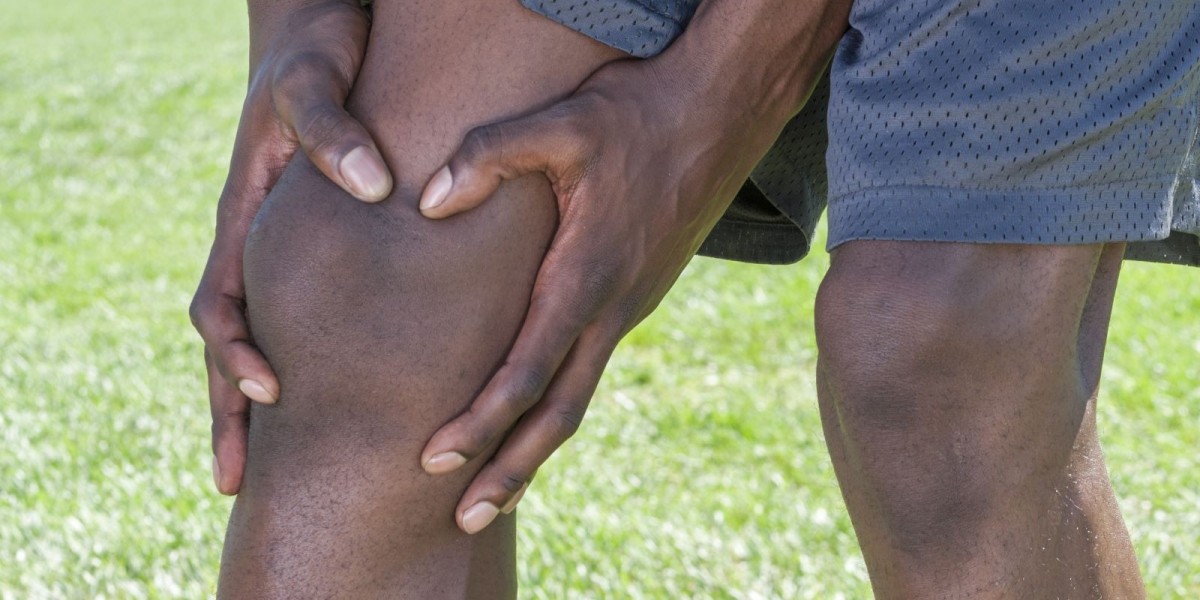


A swollen knee can make simple activities like walking, climbing stairs, or standing for long periods difficult. Early swollen knee treatment can help reduce pain, improve mobility, and prevent further joint damage.Finding the cause early is important because the right treatment depends on what is causing the swelling.
In many cases, mild swelling improves with rest and home care. However, swelling that lasts for several days, keeps returning, or becomes more painful should not be ignored. A proper medical evaluation can identify the reason behind the swollen knee and help prevent long-term joint damage. Understanding your treatment options can help you recover faster and return to your daily routine.
What Causes a Swollen Knee?
A swollen knee happens when extra fluid builds up inside or around the joint. This may occur after a sudden injury, repeated stress on the knee, or because of a medical condition. Athletes, active adults, and older individuals commonly experience knee swelling, but it can affect anyone. Identifying the exact cause helps doctors recommend the most effective swollen knee treatment instead of simply treating the symptoms.
Several conditions can lead to knee swelling. Osteoarthritis is one of the most common causes, but ligament injuries, meniscus tears, bursitis, tendon injuries, and gout can also cause the knee to become swollen and painful. In some cases, an infection inside the joint may develop, requiring immediate medical attention. A detailed physical examination and imaging tests can help determine the underlying problem.
Signs & Symptoms of Swollen Knees
Not every swollen knee needs urgent treatment, but some symptoms should never be ignored. If the swelling continues to increase or starts limiting your daily activities, it is time to seek medical advice. Early diagnosis often leads to better recovery and helps reduce the risk of long-term joint damage. Contact a healthcare provider if you notice:
Swelling that lasts more than a few days
Severe pain while standing or walking
Redness or warmth around the knee
Fever along with knee swelling
Difficulty bending or straightening the knee
A popping sound or injury before the swelling started
Swollen Knee Treatment Options
The best swollen knee treatment depends on the cause of the swelling. Mild cases often improve with rest, ice, compression, elevation, and limiting activities that place extra pressure on the knee. Anti-inflammatory medications may also help reduce pain and swelling. If swelling continues or keeps returning, additional treatment may be needed. Patients looking for swollen knee treatment in Dallas can benefit from a comprehensive evaluation that focuses on reducing pain, improving mobility, and treating the underlying condition rather than only managing the symptoms.
Rest Ice Compression and Elevation
Resting the knee is often the first step in swollen knee treatment. Reducing activities that put pressure on the joint allows the inflamed tissues to recover. Applying an ice pack for 15 to 20 minutes several times a day may help reduce swelling and ease pain. Compression with an elastic bandage and keeping the leg elevated above heart level can also decrease fluid buildup around the knee.
This approach works well for mild injuries, overuse, and minor inflammation. If swelling does not improve after a few days or continues to return, further medical evaluation is recommended. Home care can reduce symptoms, but it may not treat the underlying cause of the swollen knee.
Physical Therapy for Knee Strength
Physical therapy plays an important role in recovery after the swelling begins to improve. A therapist teaches exercises that strengthen the muscles around the knee, improve flexibility, and increase joint stability. Strong muscles help reduce pressure on the knee and lower the risk of future injuries.
Many patients notice better balance, improved movement, and less pain after completing a structured rehabilitation program. Physical therapy is commonly recommended for arthritis, ligament injuries, meniscus tears, and recovery after knee procedures.
Injection Treatments for Persistent Knee Pain
When conservative treatments do not provide enough relief, injection therapy may be recommended by the knee pain doctor in Dallas. Corticosteroid injections can reduce inflammation and relieve pain for some patients. Hyaluronic acid gel injections may improve joint lubrication in people with knee osteoarthritis. In selected cases, regenerative therapies may also be considered based on the patient’s condition.
Patients seeking swollen knee treatment in Dallas often benefit from image-guided injections, which improve accuracy by placing medication directly into the affected joint. Your pain specialist will recommend the most appropriate option after evaluating your symptoms and imaging results.
Minimally Invasive Pain Management Procedures
If knee swelling is caused by chronic arthritis or another ongoing joint condition, minimally invasive procedures may provide longer-lasting relief. These treatments are performed without major surgery and are designed to reduce pain, improve function, and support daily activities.
If you are searching for a knee pain doctor near me, choosing an experienced specialist can help you understand all available treatment options. A trusted knee pain clinic in Dallas with an experienced doctor can create a treatment plan based on the cause of your knee swelling and your recovery goals.
Conclusion
The swollen knee treatment can relieve pain, restore mobility, and help you return to your daily activities with greater comfort and confidence. Early care can help reduce inflammation, improve mobility, and prevent further damage to the knee joint. If your symptoms do not improve or continue to return, it is time to seek professional care. Dr. Rao K. Ali provides advanced diagnosis and treatment for knee pain and swelling using the latest pain management techniques. With the right treatment plan, many patients can return to their daily activities with less pain and better knee function. Schedule your consultation today and take the step toward healthier, pain-free knees.
Frequently Asked Questions
What is the fastest way to reduce a swollen knee?
Rest, ice, compression, and elevation are often the first steps to reduce swelling. If symptoms continue for more than a few days or become worse, consult a healthcare provider for further evaluation.
Can a swollen knee heal without surgery?
Yes. Many swollen knees improve with conservative treatments such as medications, physical therapy, and injections. Surgery is usually considered only when other treatments do not provide relief or when there is significant structural damage.
What causes fluid to build up in the knee?
Fluid may collect in the knee because of osteoarthritis, ligament injuries, meniscus tears, bursitis, gout, infection, or repeated stress on the joint. A medical evaluation helps identify the exact cause.
What causes a swollen knee?
A swollen knee can be caused by arthritis, ligament injuries, meniscus tears, bursitis, gout, infection, or overuse. A medical evaluation can help identify the exact cause and guide the right treatment.
Can a swollen knee heal on its own?
Yes, a swollen knee caused by a minor injury or overuse may improve with rest, ice, compression, and elevation. However, if the swelling persists, becomes more painful, or keeps returning, you should seek medical evaluation to identify the underlying cause.








