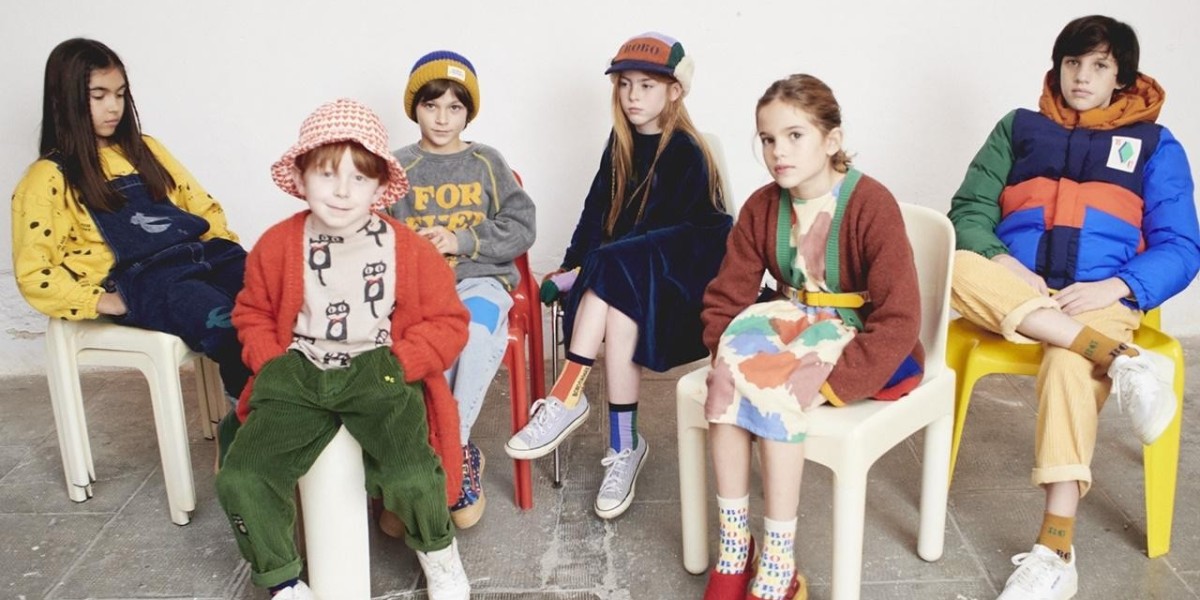


Building a profitable children's fashion collection requires more than selecting attractive garments. Retailers need to understand their customers, choose products carefully, manage costs, maintain quality, and create collections that encourage repeat purchases. Children's fashion is a competitive market, but it also offers significant opportunities for retailers who understand what parents and children value.
A successful collection should balance style, comfort, quality, price, and practicality. Retailers who approach product selection strategically can reduce inventory risks while creating a range that appeals to their target customers.
Understand Your Target Customer
Before selecting products, determine who you are selling to. Children's fashion includes babies, toddlers, young children, school-age children, and teenagers, and each group has different needs.
Consider the age range, family income, lifestyle, location, shopping habits, and preferences of your target customers. Parents buying everyday clothing may prioritize comfort and durability, while customers shopping for special occasions may be more interested in fashionable designs and distinctive details.
Understanding your audience gives you a clear direction when developing your collection.
Choose a Clear Product Theme
A collection becomes easier to market when its products have a consistent identity. Rather than stocking random garments, develop a clear theme or product direction.
You could focus on everyday essentials, premium children's fashion, festive clothing, casual wear, sustainable apparel, school-friendly outfits, or occasion wear.
A focused collection can make your store look more organized and help customers understand what your business offers.
Balance Fashion With Comfort
Children's clothing needs to look good while remaining practical. Attractive designs can encourage customers to notice a product, but comfort can influence whether they purchase it again.
Select fabrics that feel comfortable and are suitable for the intended use. Pay attention to stitching, seams, waistbands, collars, closures, and garment fit.
Children should be able to move naturally while wearing the clothing. A fashionable garment that restricts movement or feels uncomfortable may not provide good long-term value.
Study Current Market Trends
Fashion trends can influence children's clothing just as they influence adult apparel. Colors, patterns, prints, silhouettes, and styles can change throughout the year.
Retailers should monitor trends through social media, fashion websites, competitor collections, customer feedback, and sales data.
However, avoid building your entire collection around short-lived trends. Include timeless basics alongside trend-focused pieces. This creates a healthier balance between products with immediate appeal and products that can remain relevant for longer periods.
Select a Reliable Manufacturing Partner
Your manufacturing partner can directly influence the quality and profitability of your collection. Poor-quality production can lead to returns, customer complaints, and unsold inventory.
Research potential suppliers carefully and examine their experience with children's clothing. Request samples before placing large orders and evaluate fabric quality, stitching, sizing, finishing, and overall construction.
For retailers sourcing from India, an experienced garments manufacturing company in kolkata can be considered if the supplier offers suitable production capacity, quality control, customization, and delivery reliability.
A dependable manufacturer can also help you develop new designs and scale production as demand increases.
Develop a Smart Product Mix
A profitable collection should contain a balanced mix of products. Do not invest all your budget in one category or design.
Consider combining everyday essentials, seasonal products, fashionable pieces, and higher-value occasion wear.
You can also create products at different price points. Entry-level products can attract budget-conscious customers, while premium garments can increase average order value.
The right mix depends on your target audience and sales strategy.
Control Your Production Costs
Profitability depends on more than the selling price. Retailers need to understand the total cost associated with each product.
Calculate manufacturing, packaging, labels, transportation, storage, marketing, platform fees, and other relevant expenses.
When negotiating with manufacturers, focus on overall value rather than simply asking for the lowest price. Better fabric and construction may cost more initially but can reduce returns and improve customer satisfaction.
Plan Inventory Carefully
Inventory management is essential for a profitable children's fashion business. Excess inventory ties up capital, while insufficient stock can result in missed sales.
Use historical sales information to understand which products, sizes, and colors perform best. For new collections, begin with manageable quantities and monitor customer response.
Popular products can be reordered, while slow-moving items can be evaluated for discounts, bundles, or other promotional strategies.
Get Your Size Mix Right
Children's clothing requires careful size planning because demand may not be evenly distributed across all sizes.
Study your previous sales data and identify your strongest size categories. If you are launching a new business, conduct market research and start conservatively.
A product may sell well overall but still create problems if you order too many of the wrong sizes.
Accurate sizing information should also be available to customers, particularly when selling online.
Create Attractive Product Presentation
Presentation can have a significant effect on how customers perceive your collection.
Use clear product photography that shows colors, details, fit, and styling. Online shoppers should be able to understand the garment without physically touching it.
In physical stores, organize products by age group, category, season, or collection. Attractive displays can encourage customers to explore complementary products.
Good presentation can make an ordinary product range appear more professional and help establish a recognizable retail identity.
Use Bundles and Coordinated Products
Bundling can increase the value of individual purchases. For example, retailers can create coordinated combinations such as T-shirts with shorts, tops with skirts, or festive outfits with matching accessories.
Bundles can also make shopping easier for parents who want complete outfits rather than individual garments.
However, bundles should provide genuine value and should not simply be used to move unwanted inventory.
Monitor Customer Feedback
Customer feedback is one of the most useful tools for improving your collection.
Pay attention to comments about fabric, sizing, colors, designs, comfort, durability, and price. Online reviews, returns, customer messages, and direct conversations can reveal problems that sales figures alone may not show.
If customers repeatedly mention the same issue, take it seriously. Feedback can help you improve future collections and make better purchasing decisions.
Plan Seasonal Collections Early
Children's fashion is strongly influenced by seasons, festivals, school calendars, holidays, and special occasions.
Start planning seasonal collections well before the expected selling period. Your manufacturer needs time to source materials, create samples, produce garments, inspect finished products, and arrange delivery.
Early planning also gives you more time to market the collection and make adjustments if demand changes.
Build a Recognizable Brand
A profitable collection should support a strong brand identity. Customers should be able to recognize your products through their design style, packaging, colors, photography, and overall presentation.
Think about what you want your brand to represent. It could focus on affordability, premium quality, playful designs, comfort, sustainability, or modern children's fashion.
Consistency helps customers remember your business and can encourage repeat purchases.
Review Performance Regularly
After launching a collection, track its performance carefully. Measure sales by product, size, color, price point, and season.
Identify your best-selling products and understand why they are successful. Also investigate slow-moving products and determine whether the problem relates to design, pricing, sizing, presentation, or customer demand.
Use these insights to guide your next collection rather than relying solely on assumptions.
Final Thoughts
Building a profitable children's fashion collection requires a balance of creativity and careful business planning. Retailers need to understand their customers, follow relevant trends, choose reliable manufacturers, control costs, manage inventory, and maintain consistent quality.
The strongest collections are not necessarily the ones with the largest number of products. They are the ones that offer the right products to the right customers at the right price.
Start with a focused collection, monitor customer response, and use real sales data to improve future purchases. With reliable production, thoughtful product selection, strong presentation, and consistent customer service, retailers can build children's fashion collections that are both appealing and commercially successful.






