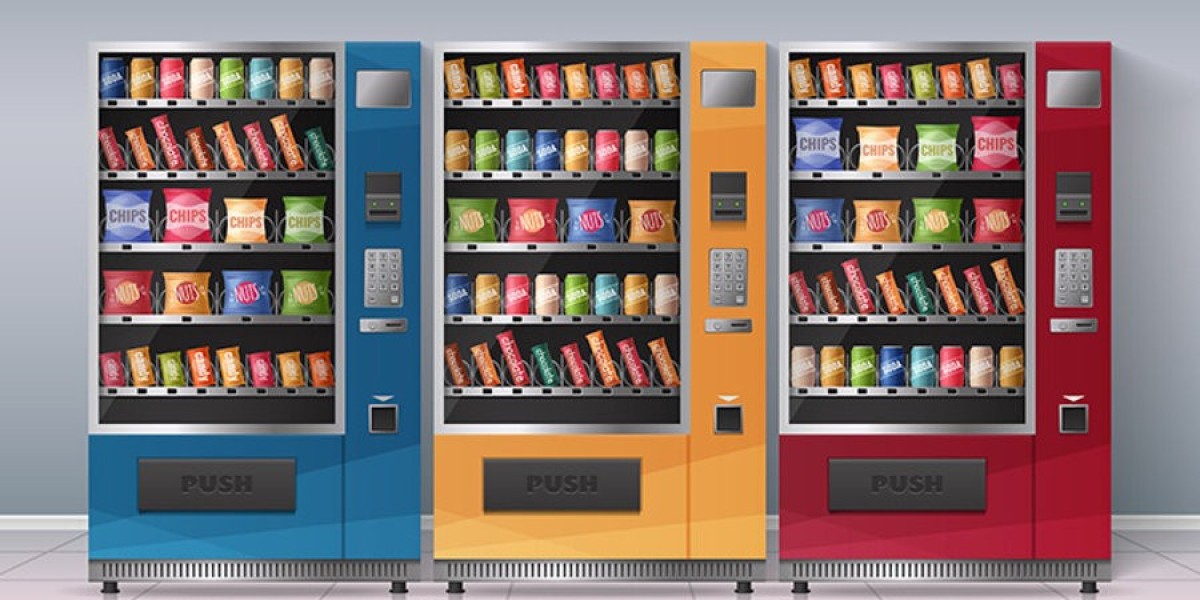


The vending machine market inhibitors can affect the pace of expansion, profitability, and adoption of automated retail solutions. Although vending machines offer convenience and flexible purchasing, businesses must address several factors that can restrict performance.
From high equipment costs to maintenance requirements and changing consumer expectations, these inhibitors influence how operators plan investments and manage vending networks.
High Capital Requirements
Advanced vending machines can require considerable upfront investment. Refrigerated units, smart interfaces, digital payment systems, connected sensors, and remote monitoring capabilities can increase equipment costs.
Businesses must also consider installation, transportation, initial inventory, software, maintenance, and location expenses. These financial requirements can discourage smaller operators from expanding rapidly.
A phased investment strategy can help businesses test machine performance before committing significant capital.
Location Availability Can Restrict Growth
Finding profitable locations remains a major vending machine market inhibitor. High-traffic environments are often attractive to several operators, making access competitive.
Businesses may need to negotiate with property owners or facility managers and potentially share revenue or pay placement fees.
Even after securing a location, sales may be lower than expected if customers have convenient alternatives nearby. Careful evaluation of foot traffic, demographics, purchasing patterns, and competition is therefore essential.
Maintenance and Technical Failures
Modern vending machines contain multiple components that require regular servicing. Refrigeration systems, motors, payment terminals, screens, sensors, and software can all experience problems.
Equipment downtime can immediately reduce sales and negatively affect customer confidence. Machines located far from service centers can be especially difficult and expensive to maintain.
Remote monitoring and preventive maintenance can reduce some of these problems, but they cannot eliminate the need for skilled technical support.
Dependence on Digital Infrastructure
The transition toward cashless and connected vending creates dependence on reliable digital infrastructure.
Payment terminals need stable connections, while cloud-based monitoring platforms require continuous communication between machines and management systems.
Network interruptions, software errors, payment failures, and compatibility issues can disrupt transactions. Businesses therefore need technical support and backup processes to maintain reliable service.
Inventory Waste and Stock Management
Inventory management can become an inhibitor when demand is difficult to predict. Operators need to balance sufficient product availability with the risk of overstocking.
Perishable products create greater challenges because unsold items can expire quickly. Fresh-food vending therefore requires accurate demand forecasting, regular replenishment, and effective temperature management.
Poor inventory decisions can increase waste and reduce profitability.
Consumer Price Sensitivity
Pricing can also influence vending adoption. Products sold through vending machines may sometimes carry higher prices because operators need to cover equipment, location, maintenance, electricity, and servicing expenses.
Price-sensitive consumers may compare vending products with supermarkets, convenience stores, cafés, or online retailers.
Operators must therefore balance competitive pricing with the costs associated with maintaining automated retail infrastructure.
Competition From Alternative Channels
Vending machines operate in an increasingly competitive retail environment. Convenience stores, delivery platforms, cafés, kiosks, supermarkets, and automated micro-markets can all compete for the same consumer spending.
Vending has an advantage when immediate access and convenient placement matter, but consumers may choose other channels when they offer greater selection, lower prices, or additional services.
Differentiated product offerings and strategic locations can help operators maintain relevance.
Security and Vandalism
Machines installed in public spaces may be exposed to theft, vandalism, and physical damage. These incidents can create repair costs and reduce machine availability.
Connected equipment also introduces cybersecurity concerns. Digital payment systems and remote management platforms must be protected against unauthorized access.
Security measures can add to operating expenses, particularly when machines are distributed across numerous public locations.
Regulatory Complexity
Vending operators may need to comply with requirements related to food safety, product labeling, electrical standards, taxation, consumer protection, and payment systems.
The complexity can increase when businesses sell specialized products or operate across different regions.
Maintaining compliance requires appropriate procedures and ongoing oversight, which can be challenging for smaller companies with limited administrative resources.
Energy Consumption
Electricity consumption can affect the economics of vending, particularly for refrigerated machines operating continuously.
Older equipment may be less energy-efficient, increasing operating expenses. Replacing outdated machines with newer systems can require additional capital investment.
Energy-efficient refrigeration, lighting, insulation, and power-management technologies can help reduce this burden over time.
Customer Experience Expectations
Modern consumers increasingly expect digital retail experiences to be fast and reliable. Payment failures, unavailable products, dispensing errors, or complicated refund processes can discourage repeat use.
Because vending machines generally operate without employees nearby, resolving customer problems can be more difficult than in traditional stores.
Clear customer-support channels and reliable machine performance are therefore essential.
Strategies to Reduce Inhibitors
Businesses can address vending machine market inhibitors through careful planning and technology-enabled operations.
Data analytics can improve location and inventory decisions, while remote monitoring can reduce maintenance response times. Energy-efficient equipment can lower operating expenses, and diversified payment systems can improve transaction reliability.
Operators should also regularly assess machine profitability and replace or relocate underperforming units when necessary.
Future Perspective
The vending machine market continues to offer opportunities despite these inhibitors. However, long-term success will depend on how effectively businesses manage financial, technological, operational, and competitive pressures.
Companies that combine reliable equipment with appropriate locations, efficient inventory management, secure payment systems, and strong customer service can reduce many of the factors restricting growth.
As automated retail continues to evolve, overcoming these inhibitors will be essential for creating scalable and sustainable vending operations.









