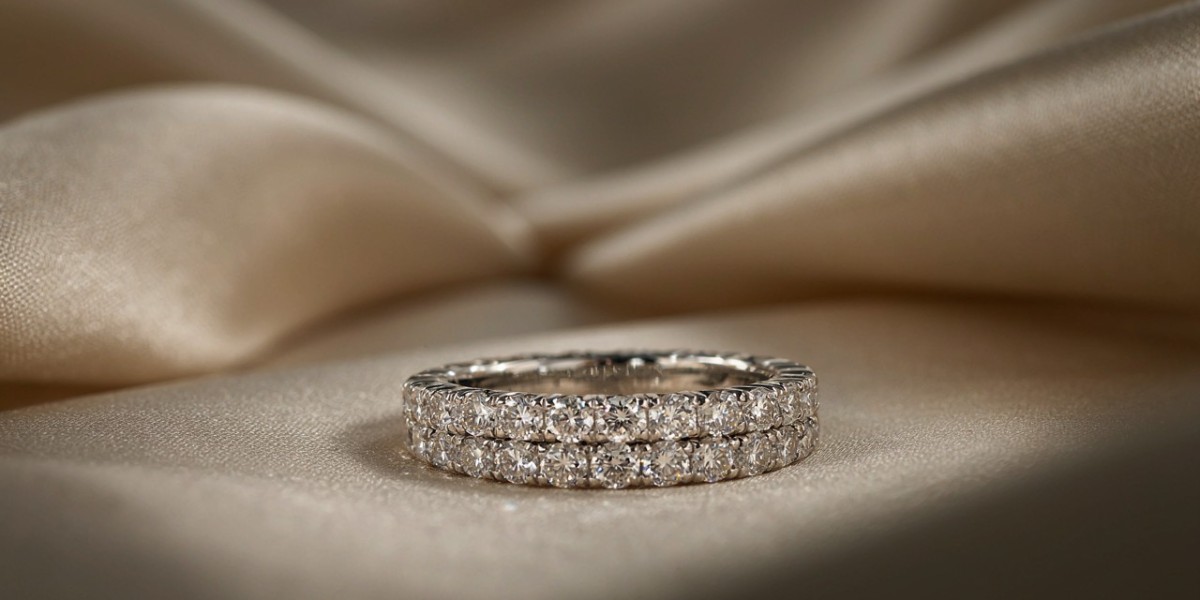


Choosing an engagement ring can feel surprisingly complicated. You might know the person you love, the kind of life you want together, and even the general style they prefer, yet suddenly you're comparing diamond shapes, settings, grades, metals, and prices. It's a lot for one piece of jewelry. That is part of the reason lab-grown diamond engagement rings have become an appealing choice for modern couples. They offer the beauty and physical characteristics people expect from a diamond while giving shoppers another option beyond traditionally mined stones.
For couples who want to be thoughtful about where their money goes, lab-grown diamonds can also make the design process feel less restrictive. Instead of automatically spending the majority of the budget on a mined center stone, you may have more flexibility to explore a larger stone, an intricate setting, or extra details that make the ring feel personal. And honestly, that last part matters.
What are Lab-Created Diamond Rings?
There is still some confusion around the phrase "lab-created." Some shoppers hear it and wonder whether the stone is somehow an imitation. It isn't.
Lab-created diamonds are diamonds produced in a controlled laboratory environment using technology that recreates the conditions needed for diamond formation. They have the same basic chemical composition and crystal structure as natural diamonds. That's different from diamond simulants. A simulant may resemble a diamond visually but is made from a different material. Lab-grown diamonds, on the other hand, are diamonds. The difference is their origin. This can be useful to remember when you're shopping because marketing terminology can sometimes make the diamond world sound more complicated than it really is. Look beyond the label and pay attention to the actual stone's grading, cut, proportions, and certification.
Are Lab-Grown Diamond Rings a smart choice for an Engagement?
Some couples want as large a center stone as possible. Some are more concerned with an elegant setting or a certain shape of diamond. Or some people might want a smaller stone and delicate pavé diamonds around it, because the overall design is more romantic. That gives shoppers more flexibility when they are making those decisions with lab-grown diamond rings.
For example, imagine you've fallen in love with an oval diamond but also want a detailed band and a setting with smaller accent stones. A lab-grown option may allow you to explore that complete design without stretching the budget as far as you might with a comparable mined diamond.
Of course, bigger isn't automatically better. Cut quality can have a dramatic effect on how lively a diamond looks. A beautifully cut stone can catch the light beautifully, while a larger stone with less impressive proportions may not have the same impact.
What should you know about Sustainable Diamond Engagement Rings?
For some buyers, sustainability is part of the conversation from the beginning. For others, it is simply one consideration among many. Sustainable Diamond Engagement Rings can appeal to couples who want to think more carefully about the environmental and sourcing questions associated with traditional diamond production. Lab-grown diamonds offer an alternative production model, which is one reason they have become part of the wider conversation around more considered jewelry buying. Still, it pays to be curious rather than simply accepting a sustainability claim at face value.
Ask where the diamond comes from, what documentation accompanies it, how it was graded, and what information the jeweler provides about its production and sourcing practices. Transparency is a much better sign than a vague sustainability slogan. The reality is that a meaningful purchase doesn't have to be perfect. It should simply be one you've made with enough information to feel comfortable with your decision.
How do you choose a style that won't feel dated?
This is probably the question worth spending the most time on. If you're imagining wearing the ring for decades, start with what already feels naturally attractive to you. Round diamonds remain classic for a reason. Oval diamonds offer a softer, elongated appearance, while emerald cuts have a more understated, architectural character. Pear and cushion shapes can feel more distinctive without becoming overly unconventional.
Then there's the setting. A solitaire puts almost all the attention on the center diamond. A halo creates more sparkle and visual presence. Pavé bands add detail around the finger, while three-stone settings can carry a more symbolic feel. You don't have to choose between classic and personal. One of the easiest ways to create a timeless ring is to start with a traditional silhouette and introduce personality through the diamond shape, metal, or smaller design details.
What should you check before buying?
Once you have narrowed down the style, take your time before making the final choice. That's when a little practical research can save you from buyer's remorse. Look at the diamond's grading report and then consider the cut, color, clarity, and carat weight carefully. Cut deserves special attention as it influences the brightness, fire, and liveliness of the stone. Then look at the setting itself. Are the prongs tight? Is the band substantial enough to wear every day? Does the ratio of the center stone to the setting look good?
It's also good to ask about resizing, warranties, maintenance, and after-purchase support. These details aren't as exciting as choosing the diamond shape, but you'll appreciate them later. And don't forget to look at the ring from different angles. A design that looks impressive from above may have a completely different character from the side.
Conclusion
The best lab-grown diamond engagement rings are not the biggest or most expensive ones. They’re the rings that matter to the person wearing them, and to the couple choosing them. Lab-grown diamonds allow consumers to choose a real diamond with more options in price, size, and style. When combined with a thoughtful setting and meticulous attention to quality, they can create something that feels distinctly modern while retaining the timeless character an engagement ring is meant to have. Take your time, ask questions, compare the details, and choose the ring that feels right, rather than one that a certain specification tells you should be.
FAQs
Q1. Are lab-grown diamonds real diamonds?
Yes. Lab-grown diamonds are real diamonds. They have the same basic chemical composition and crystal structure as natural diamonds. Their primary difference is that they are created in a laboratory rather than formed naturally underground.
Q2. Are Lab-Created Diamond Rings suitable for everyday wear?
Yes. Lab-created diamonds have the durability associated with diamonds, making them suitable for an engagement ring that is intended to be worn regularly.
Q3. How can I choose the right lab-grown engagement ring?
Start with the wearer's personal style, then consider diamond shape, cut quality, setting, metal, and budget. A good grading report and clear information from the jeweler can also help you compare options with confidence.






